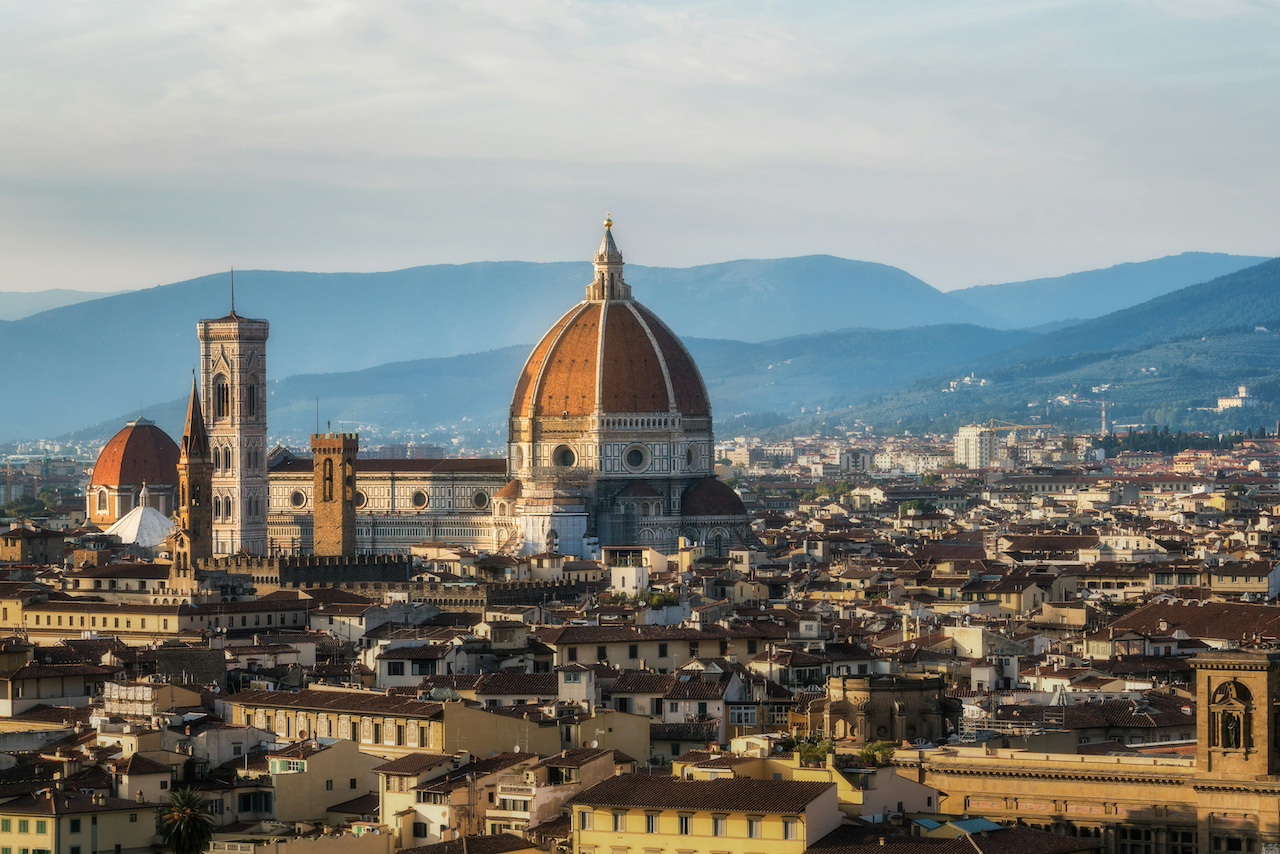


Cultura a Porte Aperte allows visitors to open the doors to long-forgotten churches and once-dusty castles through the simple click of a button.
Strolling through historical villages while enjoying the sun and – if possible – the local food is probably one of the best ways to sum up an Italian holiday. However, discovering the country’s rich heritage is also an integral part of the experience, or should be in any case. But what if that heritage has become increasingly hard to visit?
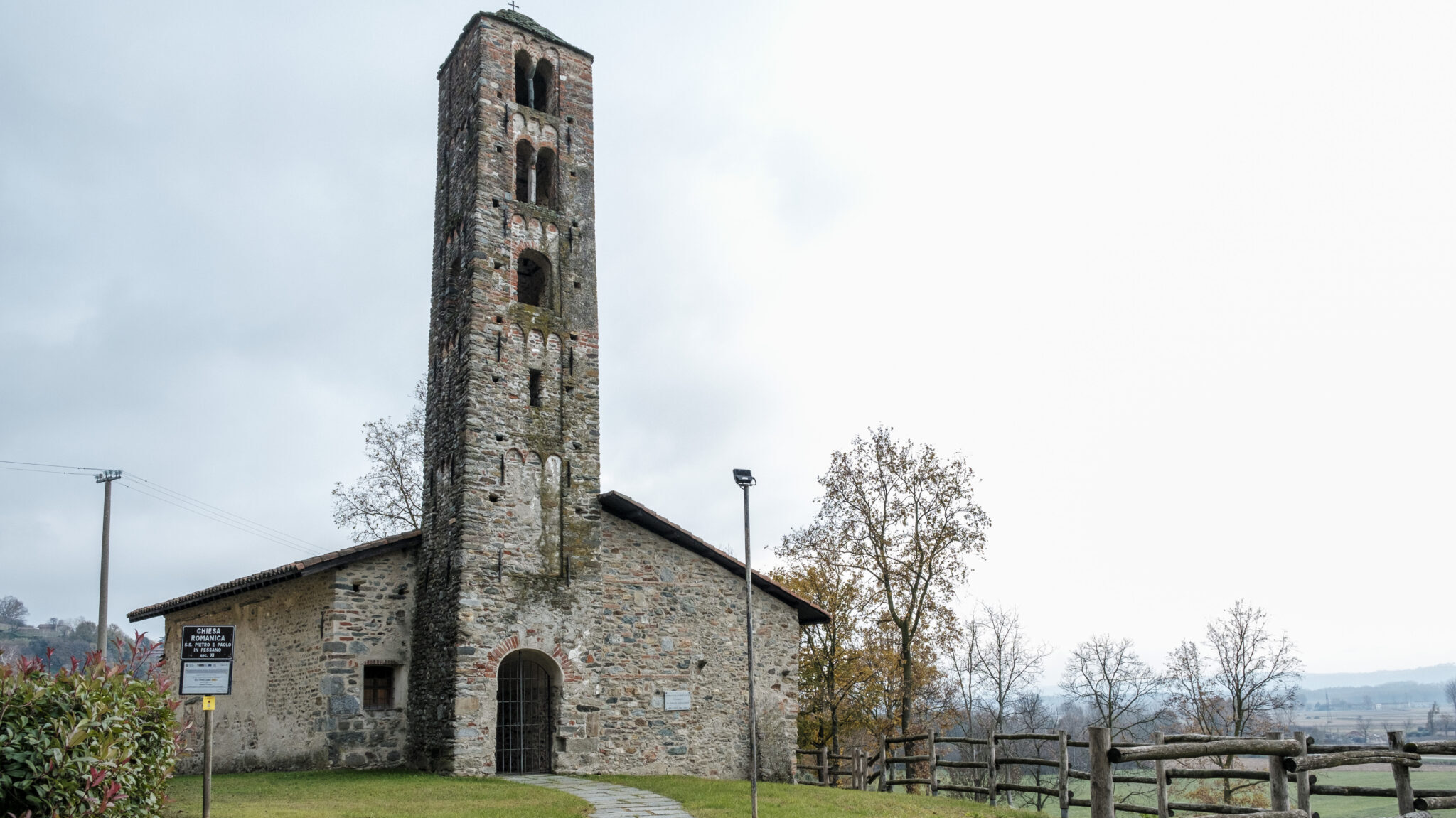
For a long time, this was something many a local or tourist alike was confronted with when coming across churches, castles, or other historical remnants. Especially in the countryside, even if they were open to the public in principle, locating the keys to open the squeaking doors often was a challenge, proving too difficult to complete for many. A peek through the dirty glass windows or a cheeky look over the wall were, more often than not, the only ways to soak in some of that forgotten culture.
However, in 2018, things started to change for the Italian countryside heritage. The Chiese a porte aperte (Churches with Open Doors), an innovative project by the BCE Council and the CRT Foundation, slowly started to open the doors to those small churches with difficult-to-locate keys. Little by little, six sacred art itineraries throughout the North of Italy (Piedmont and Valle d’Aosta in particular) were born, allowing locals and tourists to open the doors through an app and QR code, opening a world of wonder. As churches were often the highlight of small villages, the art found inside, going from frescoes to paintings to sculptures, is often both unique and breathtaking.
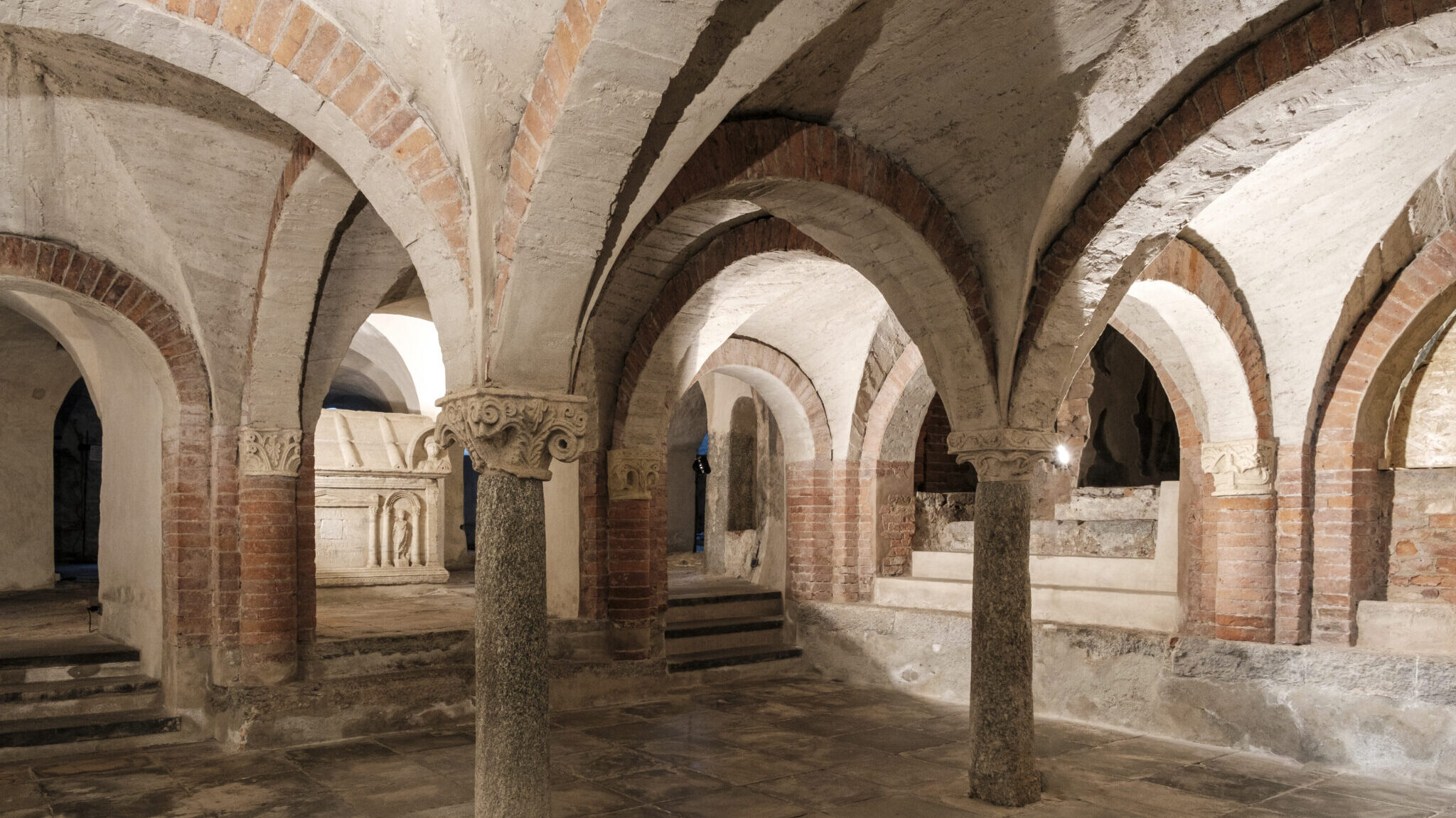
From churches to castles
In 2025, the project grew and became known as Cultura a porte aperte (Culture with Open Doors). Instead of focusing solely on churches, the project now also includes towers, castles, fortifications, and small archaeological parks in its ever-expanding offer. A new social enterprise called Comunità e Culture has been created in order to successfully develop and coordinate the project, which should soon be expanding towards other Italian regions.
At the moment of writing, seven itineraries spread across different regions are accessible to the public once they have downloaded the app: Valle di Susa-Via Francigena, Sabina-Teverina, Pinerolese e Saluzzese, Monregalese, Langhe Roero, Colline Torinese e Monferrato, and Canavese e Valle d’Aosta-Via Francigena. Contact has been made with the regions of Lombardy and Lazio to join the project in the near future.
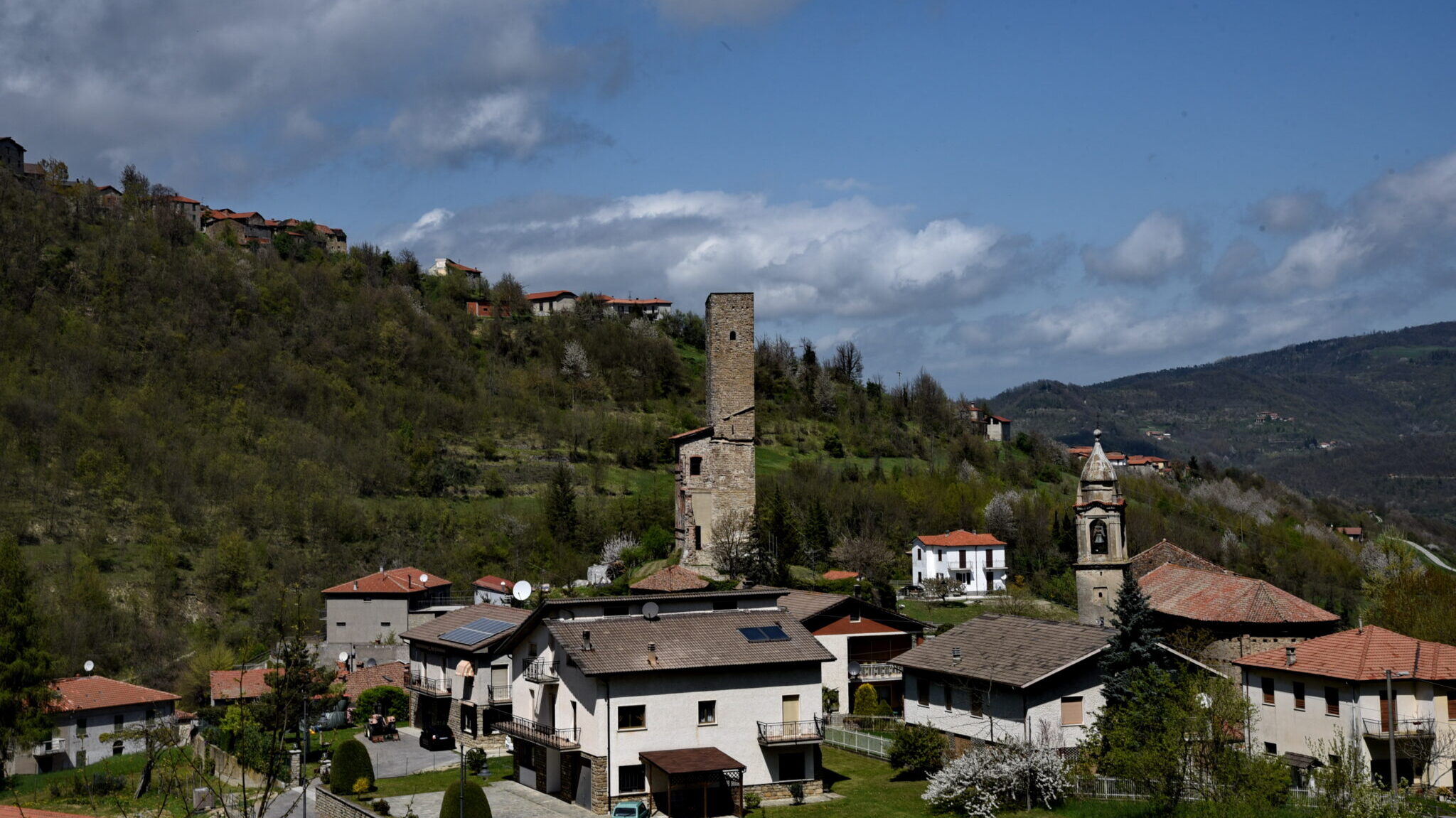
The Cultura a Porte Aperte app can be downloaded free of charge and allows visitors to book and enter the sites 365 days a year from 9:00 am to 6:00 pm. Upon entering the site, visitors can launch a guided tour enhanced by background music and directional lighting.