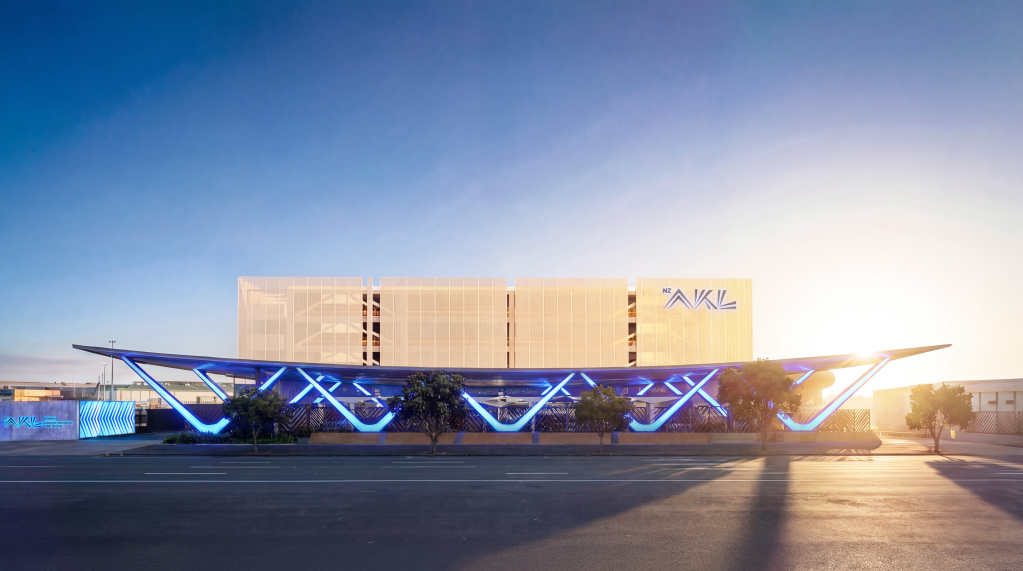



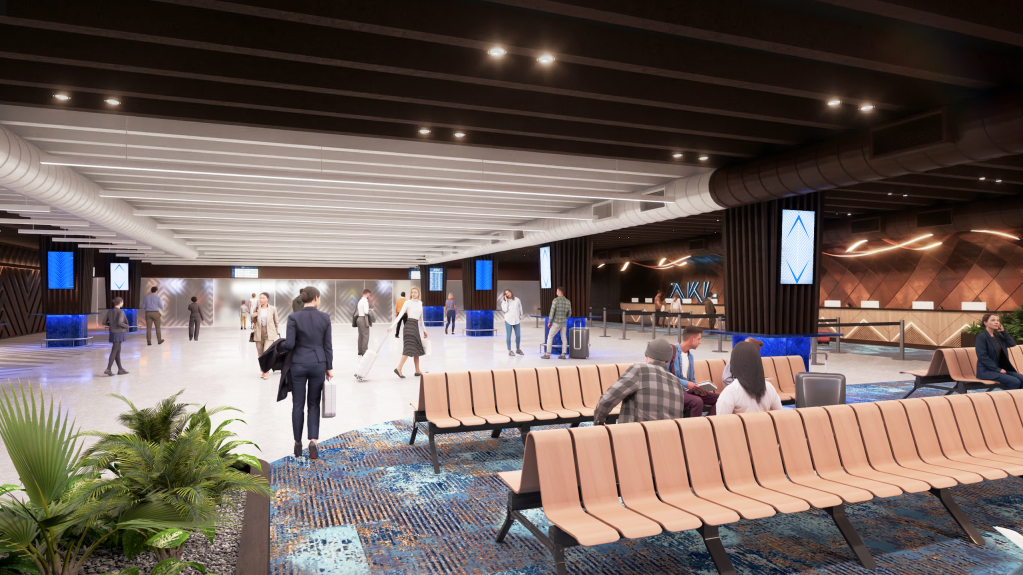
New Zealand’s largest import port is launching a new international cruise terminal, with a handling capacity of up to 1,500 passengers per hour. Slated to open in 2027, the Port of Auckland development aims to bring in more ships and improve visitor perceptions of the North Island entry and exit point.
The Te Waharoa works are expected to draw 100,000 more visitors thanks to more ship calls since they are designed to allow a large ship of 4,500 or more passengers to discharge or load comfortably within three hours, instead of having to anchor in harbour and tender guests to shore on small boats, which Port of Auckland CEO Roger Gray has slammed as “a terrible customer experience.” The change will ensure instead “the efficient movement of visitors and a high-quality first impression of Auckland as they arrive in the heart of the city,” he said.
Te Waharoa is just part of a NZ$200 million (€99.86 million) investment by Port of Auckland that will see a pick-up and drop-off area for buses and taxis feeding into regional sightseeing routes. In addition, arriving passengers will be able to access Auckland’s downtown waterfront on foot, where they will find accommodation, numerous attractions, ferry services, and restaurants.
Mayor Wayne Brown hailed the port investment as a transformation that will “lift the experience of visitors arriving in our city from the water. With 3,200 kilometres of coastline, Auckland’s harbor and waterfront is a big part of what makes our city unique,” he said, adding: “By opening up our wharves, we are transforming industrial zones into vibrant, accessible public spaces for visitors and Aucklanders.”
Some ports and harbours around the world are pursuing policies that go in the opposite direction, restricting numbers of large boats due to overtourism, pollution concerns, and criticism that cruise passengers do not spend money in the places where they disembark. The issue has seen traction in Spain, where Barcelona cut dock capacity by 30% after Mayor Ada Colau described a “feeling of collapse” when thousands of people arrive in the city at once. In France too, legislators have proposed a “polluter pays” port call fee, and Cote d’Azur destinations such as Cannes have imposed limits on cruise ship arrivals.
But in New Zealand, official statements highlight that tourism is the country’s second largest export, generating around 7.7% of national GDP. What’s more, with around 300,000 cruise visitors passing through annually, the cruise sector is worth over $600 million a year for Auckland alone. Increasing the port’s capacity is therefore a strategy that policymakers say “supports Auckland’s long-term prosperity. Te Waharoa international cruise terminal is a major step in building a thriving, globally connected city,” said Gray.