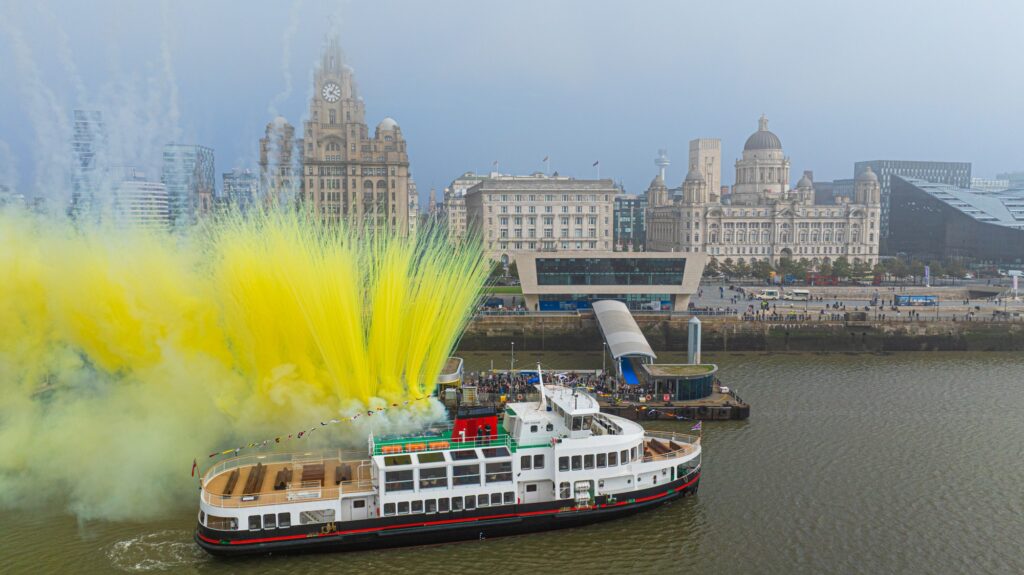
Cruise ship passengers in France could soon be required to pay a per person fee every time they make a port call, if lower house legislators in the Assemblée Nationale agree with the Senate’s recent approval of the measure.
If greenlit, the new rule would introduce a fee of €15 per passenger per port call. With estimates by the national tourism agency Atout France putting cruise passenger numbers at just under four million per year, the tax is expected to generate approximately €75m in annual revenue – funds which are to be ringfenced for coastal conservation work.
Proposed by Republican Senator Jean-Marc Delia, the port call tax adheres to the “pollueur-payeur” idea that polluters, rather than income taxpayers, should be responsible for the costs of dealing with the environmental consequences of their activity.
After a drop-off due to the COVID-19 pandemic, cruises are seeing renewed popularity, with younger consumers adopting the cruise habit amid the promotion of party sailings and themed itineraries by cruise companies around the world. While North America still dominates, markets such as the Middle East are growing. According to Grand View Research’s Horizon Databook for 2024, the global cruise sector earned a total revenue of US$8.87 billion as of the end of 2024, and the same analysts forecast the sector could hit US$18.35 billion in total revenues by 2030.
However, concerns around cruise ship activity include the CO2 and pollution they emit, plus scrubber discharge water contaminated with substances linked to cancers and reproductive dysfunction in marine mammals. The International Council on Clean Transportation has estimated that going on a five-night cruise emits four times as much CO2 as flying, and, even taking into account the “hotel factor” on a cruise, two times more CO2 than someone who flies and rents a hotel.
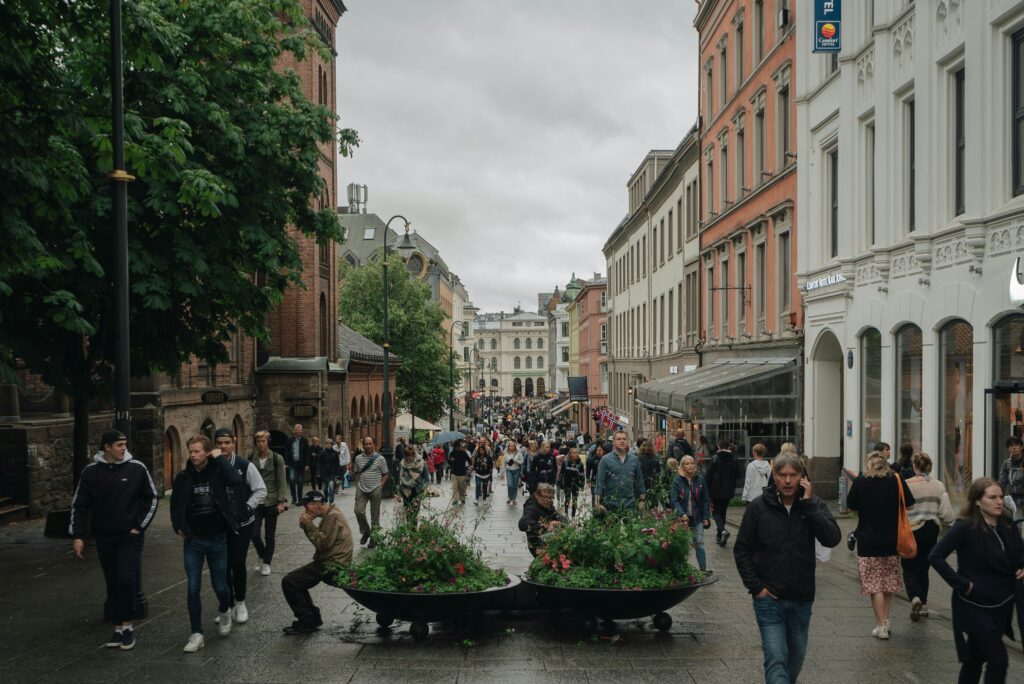
In addition, cruises have been associated with huge spikes in low-spending day visitor footfall they create when they arrive at port, worsening the sense of overtourism experienced in many destinations, while failing to contribute proportionately to the local economy.
The French disquiet echoes that in port cities around the world, from all ports in Mexico to Spain’s Barcelona, from Alaska’s Juneau to the Dutch capital Amsterdam, and Santorini in Greece. Some French ports have already introduced measures to limit cruise ship activity. Nice, on the French Riviera, has capped cruise ship port calls at 65 per year, while from 1 January 2026, Cannes is banning all cruise ships with a capacity over 1,000 and limiting arrivals to 6,000 per day.