


Amid COVID-style appeals from the International Energy Agency that people need to work from home, drive more slowly, and fly less to conserve fuel during the current Middle East oil crisis, a suite of Asian nations have announced moves to conserve supplies—marking a return to fossil fuels that has climate experts worried.
A shortage of Liquefied Natural Gas (LNG) is a major concern since supplies are 80% down in Asia, a region where many nations rely on it for electricity and fertiliser production. Around 20% of the world’s supplies are stuck in the Strait of Hormuz, under blockade due to the recent Israeli-US attacks on Iran and Iran’s retaliation. Coal has been described as “the fastest, cheapest way” to replace LNG by Henning Gloystein, managing director of energy and resources at Eurasia Group.
Coal prices surge to a 2-year high, up 26% since the Iran war outbreak, hitting $133/ton.
— Russian Market (@runews) March 5, 2026
Europe & Asia turn to coal as gas prices soar, with EU, Japan, S. Korea, Taiwan, and Bangladesh increasing coal use.
Prices could nearly double to $250/ton if conflict drags on. https://t.co/B8s8uSlNtO pic.twitter.com/9uC7LVEadm
Indonesia, one of the world’s largest coal exporters by trade value (alongside Kazakhstan, Russia, Colombia, and Mongolia), is prioritising domestic supply chains over exports, limiting regional availability further.
The knock-on effect means Bangladesh has boosted both generation and imports of coal-fired power. India, almost 75% dependent on coal for power, is operating at maximum coal-fired generation and has cancelled planned stoppages. Vietnam is already considering importing coal from the United States and Laos, according to energy market tracker Argus Media.
South Korea has said it will postpone the closure of its coal-fired power plants, which were timetabled for 2040, and has eased cost penalties on electricity produced from coal. The Philippines is also increasing coal-burning under national emergency measures. Similarly, Japanese officials have approved an Industry Ministry temporary reprieve on coal-fired power plant restrictions, allowing older, less efficient coal-fired plants to continue running for the next fiscal year. The country’s thermal power plants, which supply 70% of its needs, are 30% reliant on oil and 30% reliant on Liquefied Natural Gas (LNG).
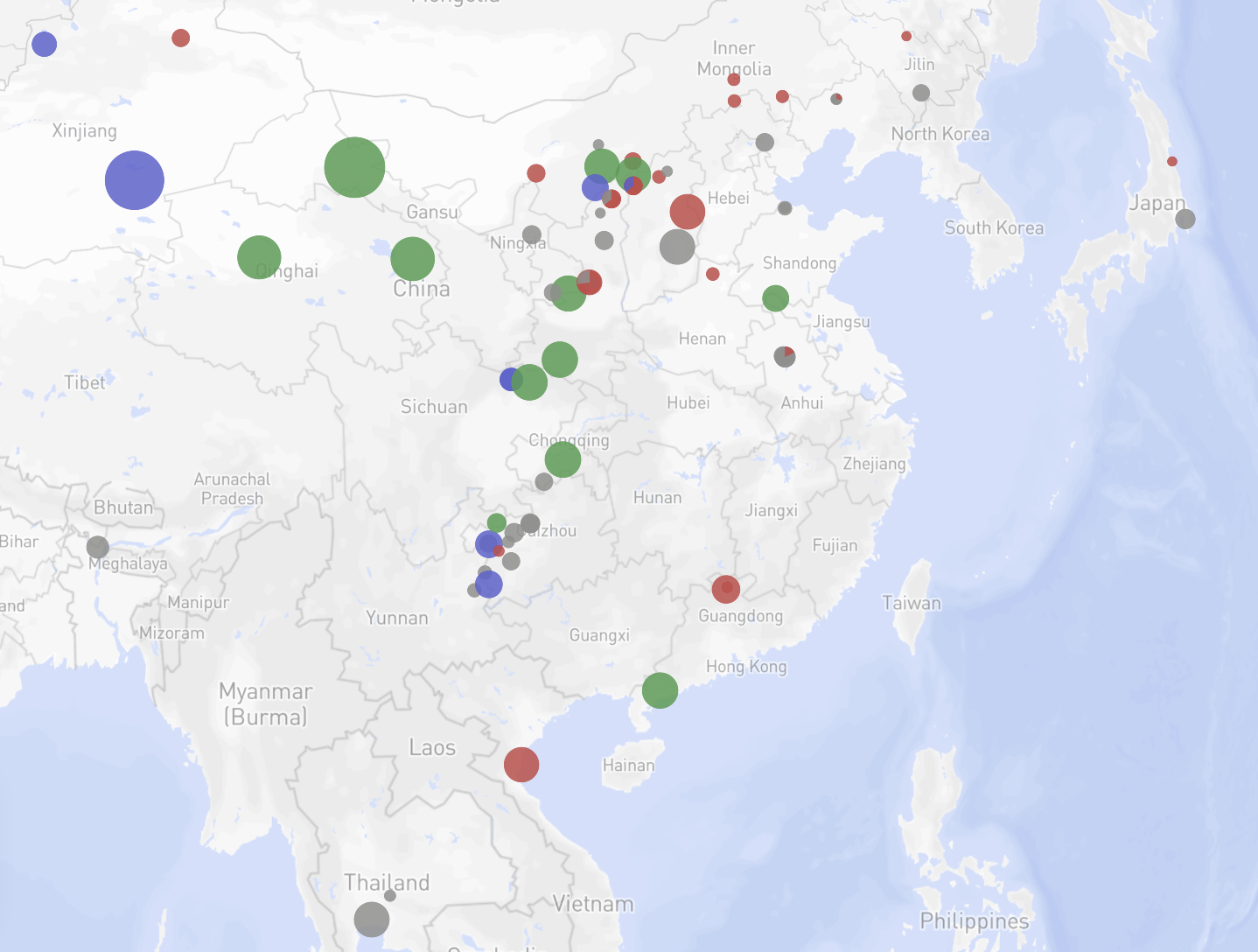
GLOBAL COAL consumption is increasingly concentrated in Asia especially China, India and Indonesia. Asia accounted for 83% of global consumption in 2024 up from 49% in 2000 and 28% in 1980. China, India and Indonesia’s combined share grew to 73% up from 37% and 20% over the same… pic.twitter.com/TJxhfsvqp6
— John Kemp (@JKempEnergy) September 23, 2025
While most experts warn that the Middle East crisis is having a regressive effect on global climate goals, some hold out hope that it could serve to accelerate the drive towards renewables, as seen with India’s greenlighting of wind power plants and battery energy storage systems.
Yoko Mulholland of climate think-tank E3G told AFP that using coal as a fallback will not only “deepen the risk that Japan will not meet its goal of phasing out inefficient coal plants by 2030” but also lock the island nation “into a vicious cycle of fossil-fuel dependence” delaying domestic energy self-sufficiency.” She called instead for Japan to “fully embrace renewable energy as a strategic national asset.”
Pauline Heinrichs, a climate and energy specialist at King’s College, London, agrees, noting that “economies that have a substantial amount of renewable energy are in fact less vulnerable,” and adding: “This is the moment to break that cycle of responding to short-term fossil fuel induced shocks with investments in fossil fuels, because they’re never short-term – they’re always long-term infrastructure investments of sorts.”