

Center Parcs has broken ground on a new site in Scotland, marking the start of a £450 million (around €518 million) project expected to bring 1,200 jobs to the Scottish border region.
While Center Parcs already boasts seven villages across the UK and Ireland, the new park, situated near the town of Hawick, about an hour and 15 minutes by car from Edinburgh, or around just under two hours from Newcastle Upon Tyne, will be the first in Scotland.
Hawick, once a booming textiles town, is one of the country’s furthest localities from the sea. It is hoped the holiday village will attract up to 350,000 visitors to the area every year and inject £75 million annually (€86 million) into the local economy.
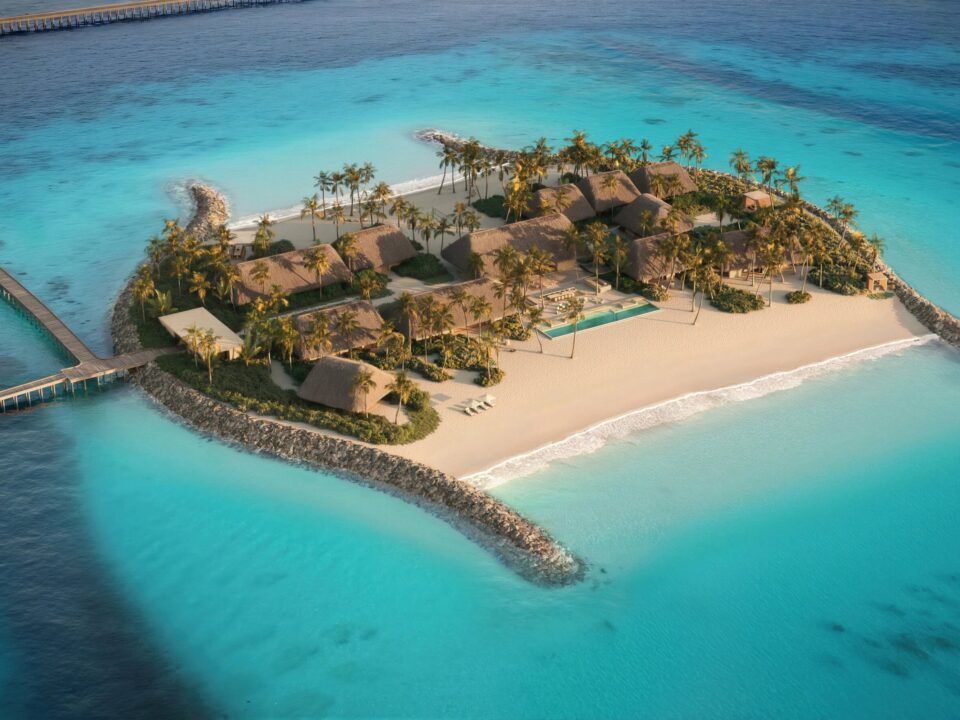
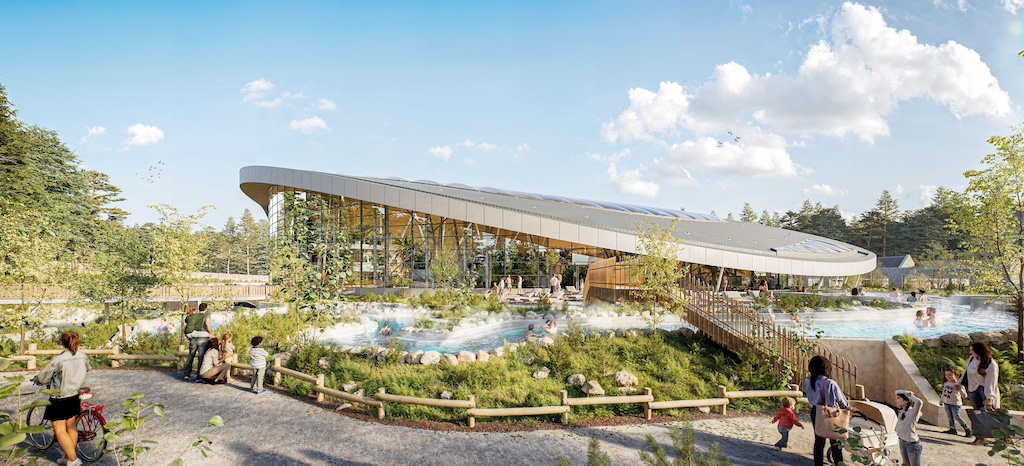
The park also marks the first time the popular European nature-focused resort operator is planting a whole new forest in which to base one of its villages. The woodland development will comprise 700 purpose-built rental lodges and leisure facilities, including a manmade loch, “Subtropical Swimming Paradise,” an “Aqua Sana Forest Spa,” retail outlets and dining.
The Scottish government is contributing €30 million (around €40 million) to the venture. Taking part in a ceremonial tree-planting alongside Center Parcs’ chief executive Colin McKinlay, Scotland’s First Minister John Swinney hailed the development as “a significant boost—a transformational boost—in terms of visitor attraction in the south of Scotland” and noted the “jobs, tourism, supply chain opportunities, and significant economic benefits” the project would provide. At least 30% of the employment generated is anticipated to benefit 16-to-24-year-olds.
Despite concerns during the approval process over flood risks, light pollution, increased traffic, threats to wildlife habitats and biodiversity, and limits on right-to-roam access to the park site, the plans were greenlit by local councillors in December 2025.
Still, “right to roam” aspects of the development have proved particularly controversial. Right to roam is a statutory tenet established by the Land Reform (Scotland) Act 2003, giving responsible access to most national land and inland water for walking, cycling, and other non-motorized activities. It applies to the country’s coastline, forests, hills, and paths, based on caveats in the Scottish Outdoor Access Code. Considering the Scottish borders’ brutal history of forced land enclosures or “Lowland Clearances,” in which thousands of cottage farmers were displaced, the idea of curtailing public land rights here is sensitive.
But the right to roam conflicts with Center Parcs’ unique selling point: an enclosed area with one point of access, helping to create what is claimed to be a quiet, safe, car-free vacation environment in nature. Importantly for the firm’s business model, making accommodation, activities, restaurants, and pools centrally accessible in a self-contained space essentially ringfences the consumer spend by reducing the need for holidaymakers to leave the site for external purposes.
If visitors please, those purposes could include taking part in the annual Reivers’ Festival in late March, where the area’s history of border raids is brought to life through historical reenactments, music, dance, and storytelling, which bring to life the gritty and vibrant history of the Border Reivers. Alternatively, the Common Riding in June brings marches and horse ride parades, while a two-week Summer Festival in August offers themed nights, trails, and kid-friendly activities. That’s not to mention the region’s rich history of mills and textile production, nor its love of rugby. But with the new Center Parcs resort not set to open until 2029, its impact on off‑site visitor numbers and spending remains to be seen.