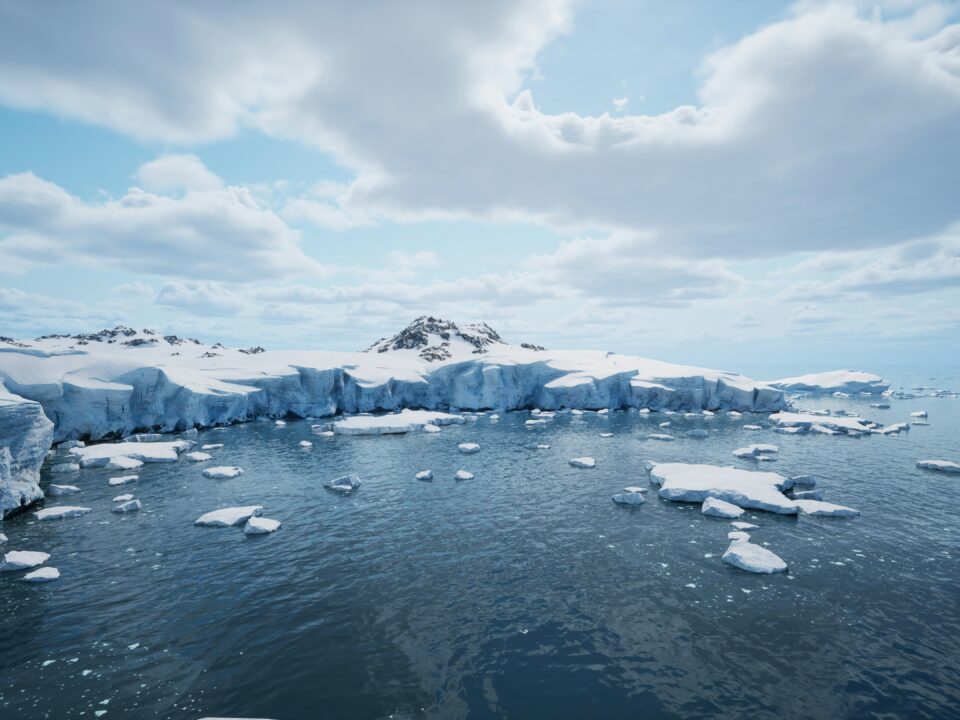
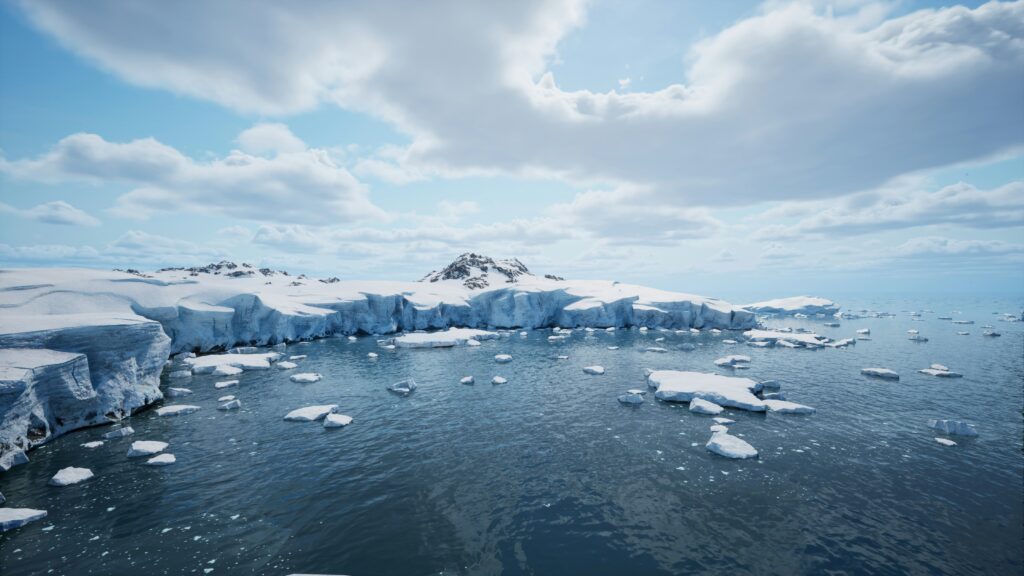
Antarctica, the world’s southernmost continent and considered by many to be one of the last true wildernesses, is increasingly polluted by tourism and research activity, according to two new studies – and parts of its ice sheets could be at risk of collapse, resulting in devastation in coastal communities around the world.
One of the papers, published in Nature Sustainability on 20 August 2025, looked at heavy metal imprints in the region and detected notable quantities of them in the snow chemistry of the northern Antarctic Peninsula, where major research stations are situated and where marine tourism traffic is most intense.
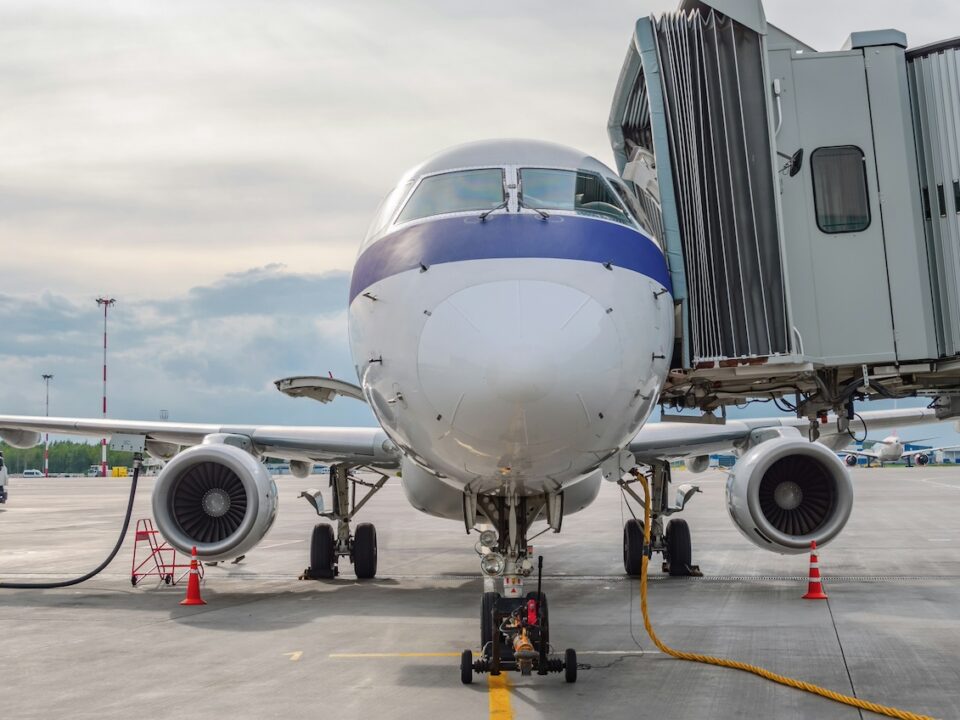
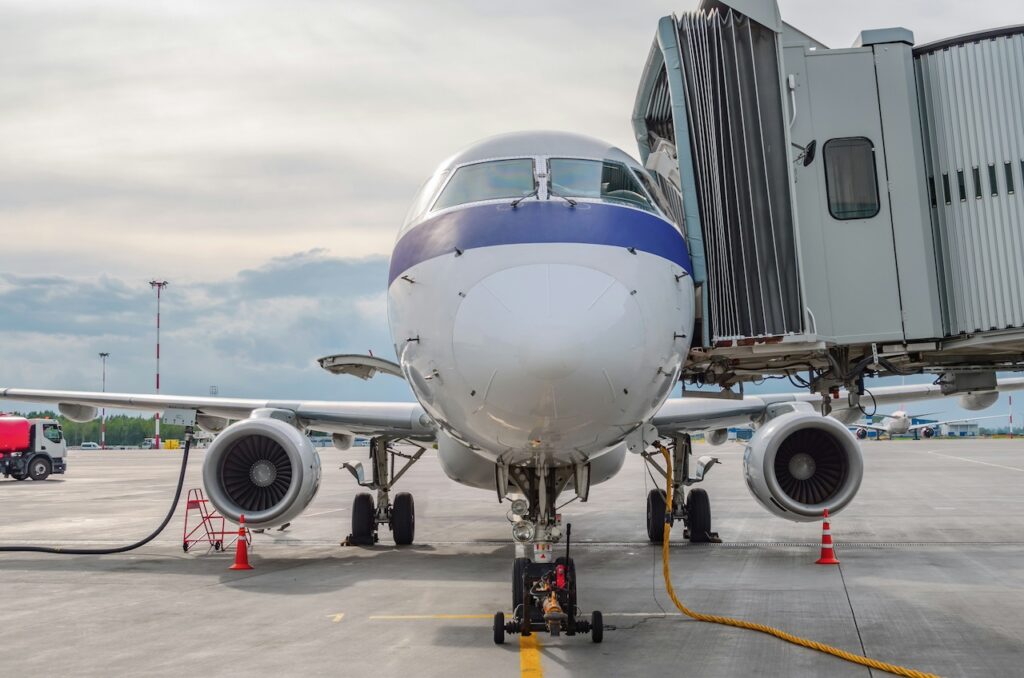
“The increasing human presence in Antarctica raises concerns about pollutants from fossil fuel combustion, including those from ships, aircraft, vehicles and supporting infrastructure,” the study said.

Over 122,000 visitors went to Antarctica in 2024. In figures that may be hard to swallow for many of them, not to mention operators with claims to sustainable practices, such as Penguin Watch or Quark Expeditions, who welcome researchers and conservationists on board helping them reach some of the most remote areas of the Arctic and Antarctic, just one single tourist “can contribute to accelerating the melting of around 100 tons of snow,” according to Chilean and Dutch researchers.
Longer-term research missions can cause tenfold that damage per person, and that’s in addition to the carbon emissions generated by the average visitor: 5.44 tonnes of CO2 emissions per passenger, all going into the global warming pot.
Despite efforts to limit the “burdens of human activities”, such as a ban on heavy fuel oil and the adoption of electric-hybrid tourist ships, “more remains to be done”, the international team said. Worse, some measures have been counterproductive, such as a rule capping cruise passenger disembarkations at 100 at a time, meaning larger boats circle back for repeat landings.

In the other study, published simultaneously in Nature, Australian researchers argue that changes in Antarctica are “interlinked”. As sea ice is lost from the ocean surface, the amount of solar heat being retained in the climate system is increasing, creating an “unstoppable” chain reaction, lead author Dr Nerilie Abram, Chief Scientist at the Australian Antarctic Division (AAD), explains.
That warming due to CO2 emissions is putting the West Antarctic Ice Sheet (WAIS) in danger of collapse – an event that would raise sea levels by more than three metres, endangering coasts and causing “catastrophic consequences for generations to come.”