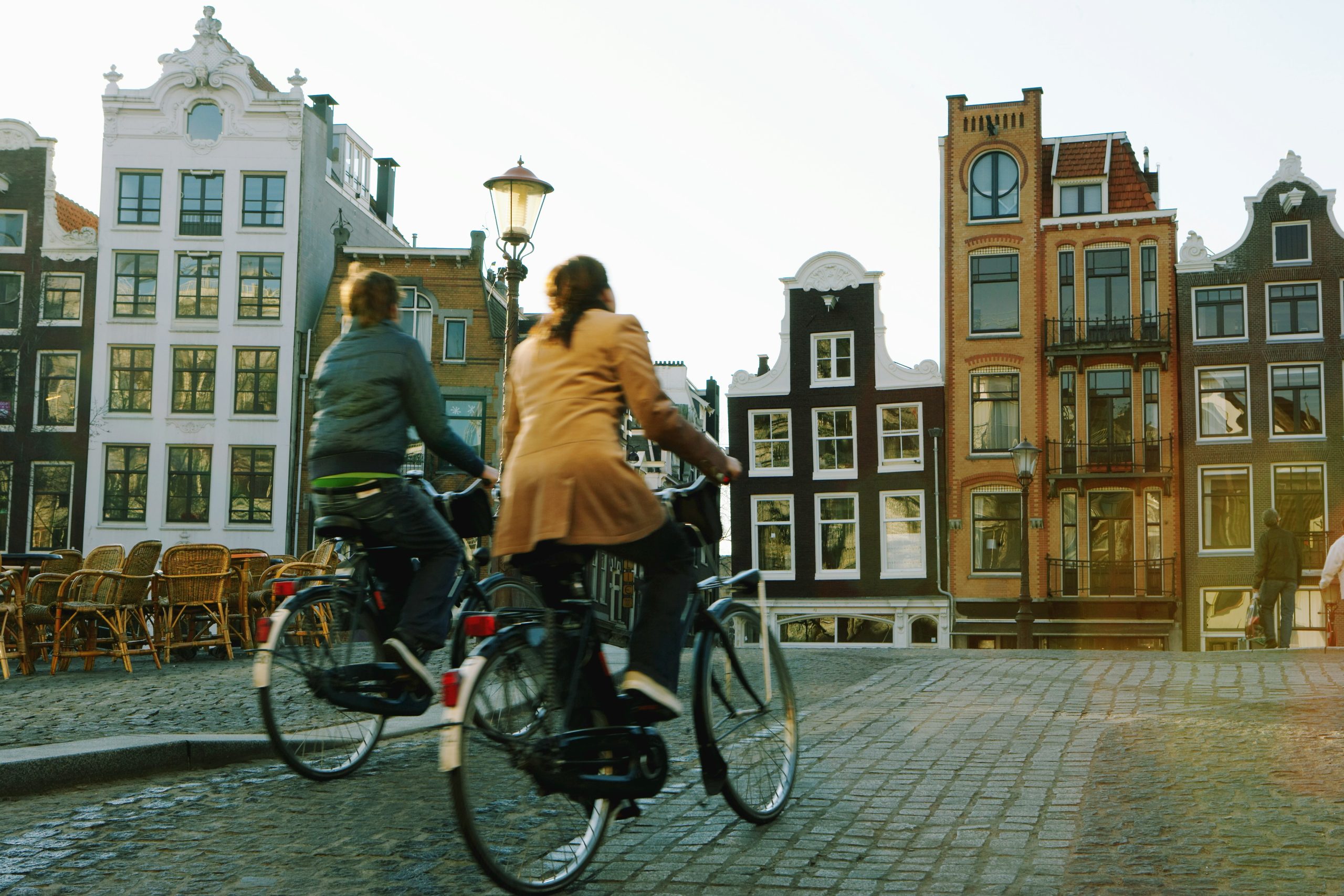



Mention the Netherlands to most people, and they might think of windmills, tulips and bicycles. The country is home to around 1,200 historic windmills, is the world’s largest producer and exporter of tulips, and has more bicycles than inhabitants.
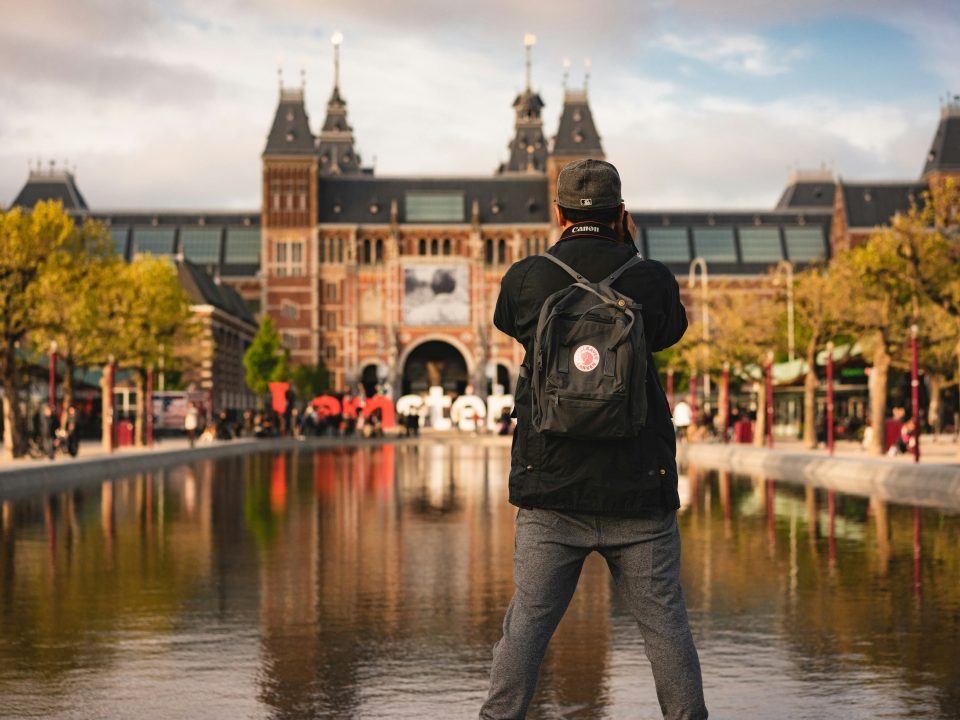
Amsterdam also remains one of the world’s most popular city destinations, regularly featuring among the most visited cities in Europe. It seems hard to imagine that, as recently as 2004, the Dutch capital launched a campaign to attract more visitors.
Fast forward to 2026 and the pendulum has swung in the opposite direction. Amsterdam, like several other European cities, is experiencing a tourism boom. But this raises the question: can cities like Amsterdam cope with it all?
Local authorities have introduced tourism taxes to offset the public costs and environmental pressures associated with high visitor numbers. Amsterdam’s municipal overnight tourist tax of 12.5% is already among the highest in Europe, reflecting efforts to address overtourism.
The city has set itself an annual cap of 20 million overnight stays, a threshold that has repeatedly been exceeded. Even during the so-called low season, in October and November, visitors continue to flock to the city, reflecting its year-round appeal.
Why go now?
Amsterdam is a city worth visiting at any time of year, but autumn is particularly appealing because there tend to be fewer tourists. Hotel prices can be slightly lower, while queues for popular attractions and canal boat trips are generally shorter.
The city authorities are also seeking to refocus their tourism strategy, notably by addressing the impact of the many hen and stag parties that descend on Amsterdam throughout the year. They want visitors to look beyond its infamous red-light district and discover its rich cultural offerings, including its impressive concentration of museums.
The Dutch capital also celebrated its 750th anniversary in 2025, so it is not too late to discover the heritage of a remarkably multicultural city that brings together people of some 180 different nationalities.
Where to stay
One company embracing the city’s approach to tourism is Wilde, an Irish-based accommodation provider which has recently added Amsterdam to its growing portfolio. A distinctive feature of its new Dutch location, which opened in autumn 2026, is that guests must stay for a minimum of seven consecutive nights. The model encourages longer stays, offering an alternative to the whistle-stop visits often associated with cruise passengers and other short-stay visitors
The aparthotel is located just across the IJ waterfront from Amsterdam Central Station, accessible via a free ferry, in Amsterdam Noord. Once the city’s industrial hub, the neighbourhood has undergone a remarkable transformation in recent years.
The property occupies the first eight floors of a 30-storey building, with the remaining floors dedicated to residential accommodation. It comprises a range of well-appointed, self-contained apartments, including studios and one- and two-bedroom units. Amenities include kitchenettes, televisions, free Wi-Fi and balconies offering views over the waterfront. A breakfast of freshly baked croissants and coffee is also available.
Following recent openings in Lisbon and Vienna, Wilde’s continued European expansion into Amsterdam and Porto reflects the brand’s approach to combining local culture with a touch of Irish charm.
“These openings allow us to continue our mission of delivering a home-away-from-home experience where the flexibility of apartment-style living is integrated with the elevated service of a boutique hotel,” said Kelly Morgan, Managing Director of Wilde.
The aparthotel also features a third-floor garden and terrace, a 24-hour reception, on-site parking, co-working spaces and a small gym. There is a comfortably furnished lounge, featuring work by Dutch artist Lisette van Hoogenhuyze, where guests can relax with a drink or enjoy a snack or light meal from a menu appropriately named after Oscar Wilde, the Irish writer who also inspired the company’s name. The predominantly young team, headed by General Manager Rob De Ridder, is friendly and helpful.
The location is one of the property’s main advantages. Guests are tucked away from the hustle and bustle of central Amsterdam while remaining just a short ferry ride from many of the city’s attractions. Part of the Staycity Group, Wilde has expanded considerably since its launch. Those planning to stay at its Amsterdam property should, however, bear in mind the minimum seven-night booking requirement, whether travelling for leisure or business.
What to do
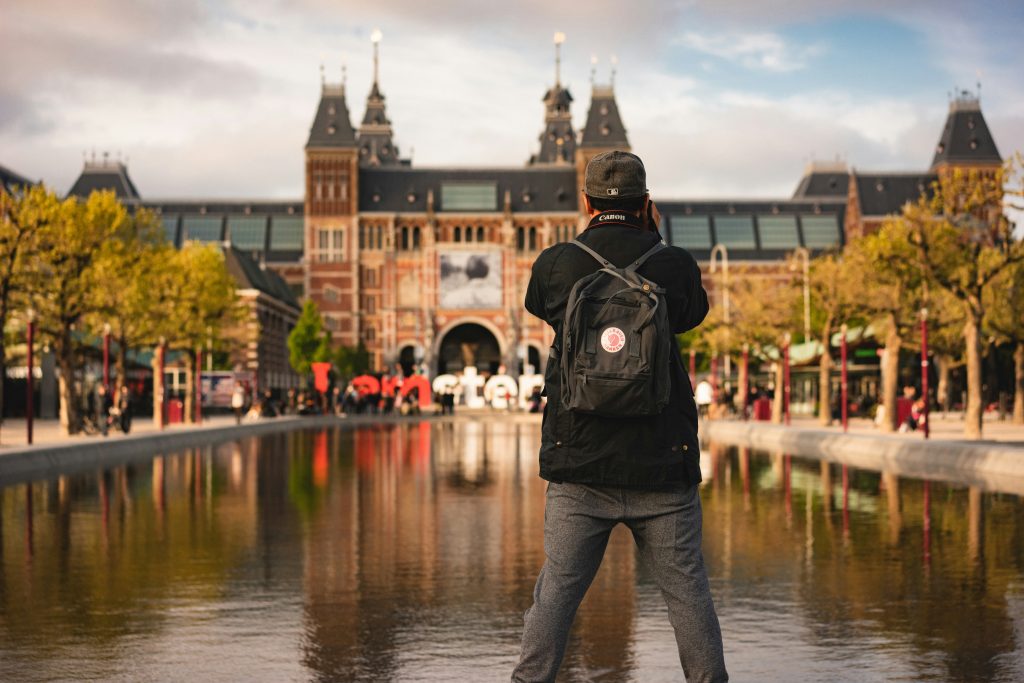
There is so much to see in Amsterdam that it is difficult to know where to start, but a visit to some of its world-famous museums is as good a place as any. Arguably one of the most famous is the Anne Frank House. It is a relatively small museum with limited capacity, meaning tickets sell out quickly. Visitors are advised to book well in advance.
The museum occupies the original canal-side building where Anne Frank and seven other people hid in a cramped secret annex during the Second World War. Visitors walk behind the original hinged bookcase to explore the preserved, unfurnished rooms where the occupants lived in hiding for more than two years.
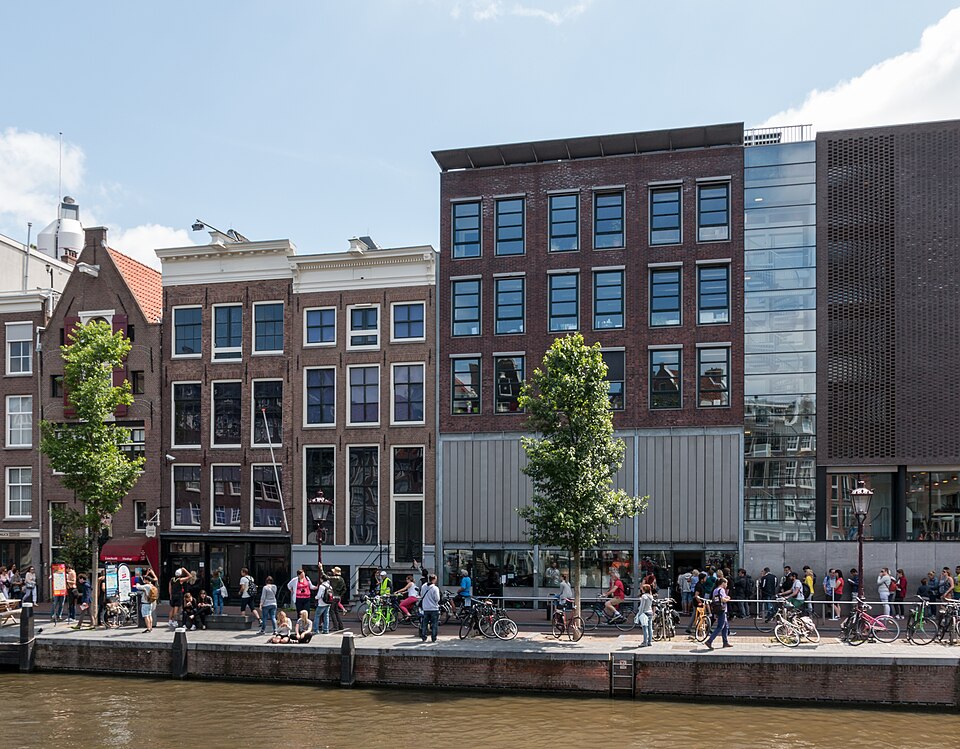
Among the items on display are Anne’s original red-checked diary, personal notebooks, family photographs and pencil marks on the wall recording her growth. The exhibition places Anne’s life within the wider context of the systematic persecution of European Jews under Nazi occupation.
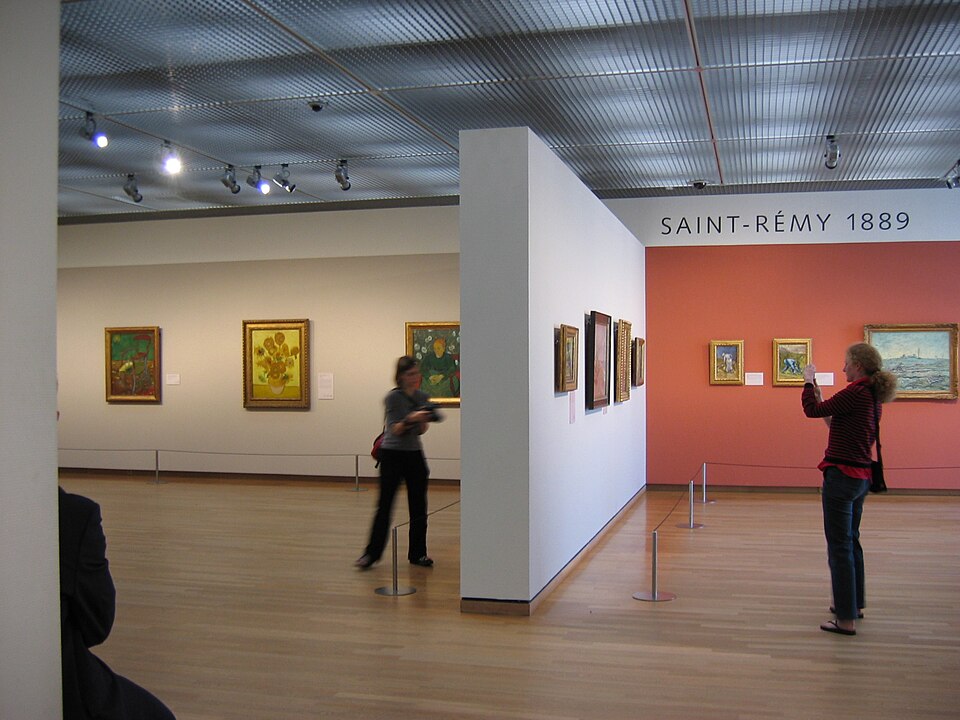
Another essential stop is the Van Gogh Museum, located in the city’s Museum Quarter and home to the world’s largest collection of works by the artist, including more than 200 paintings, 500 drawings and hundreds of letters.
The museum guides visitors chronologically through Van Gogh’s life and artistic development. Given that it has been the target of major art thefts twice, in 1991 and 2002, the opportunity to appreciate the Dutch master’s work up close is something not to be taken for granted.
Just around the corner from the Wilde aparthotel is something quite different: THIS IS HOLLAND. The attraction combines informative shows about the Netherlands with a nine-minute, 5D flight simulation featuring wind and water effects. The experience takes visitors over some of the country’s most recognisable sights, including its tulip fields, Amsterdam’s canals and the bustling port of Rotterdam. It is great fun.
Across the IJ, on Dam Square, arguably the heart of the city, stands the Royal Palace, which also has a Belgian connection through Artus Quellinus, a Flemish sculptor regarded as one of the most important representatives of Baroque sculpture in the Southern Netherlands. Some of his finest works can be found in the palace, which is open to the public for much of the year and also features artworks by Dutch masters.
There is a British connection, too. The Bedroom of the English Quarter is a historic private chamber reserved for visiting heads of state and royal guests. The palace also boasts one of the country’s most famous balconies, from which Winston Churchill greeted crowds shortly after the Second World War.
On a related theme, the Resistance Museum is another worthwhile stop. It tells the story of the Second World War through personal, often tragic accounts of people faced with difficult choices in extreme circumstances. The exhibition is thoughtfully presented and offers a moving experience, as well as a timely reminder of the dangers posed by authoritarianism.
On a lighter note, the STRAAT Museum, dedicated to street art, is another attraction worth exploring in Amsterdam Noord. It features an extensive collection of works by internationally recognised artists alongside emerging talent.
Of course, one of the best ways to see Amsterdam and admire the architecture of its historic buildings is to take a boat trip along some of its 165 canals. Amsterdam Boat Adventures offers an informative 90-minute cruise through the old city centre. The company keeps its tours small, with a maximum of 12 guests, and the route combines famous landmarks, smaller canals and a few hidden gems along the way.
Another recommended option is the imaginatively named Those Dam Boat Guys, whose focus is on making the experience relaxed, informal and entertaining. Look out for Andy, a Briton who has lived in the Netherlands for nearly 40 years and shares plenty of entertaining insights into his adopted home.
Both companies offer an excellent way to experience parts of Amsterdam’s 17th-century canal ring, a UNESCO World Heritage Site. It is from this vantage point that visitors can learn about the city’s distinctive leaning buildings, its system of locks and flood defences, why a public square is named after the Battle of Waterloo, the eye-watering prices of some of its houseboats and, naturally, the origins of the name Amsterdam.
Where to eat
With thousands of restaurants, Amsterdam offers no shortage of dining options. The city is often called the Venice of the North, so if Italian cuisine is your thing, one of its more recent restaurant openings is worth seeking out.
PepeNero, one of two restaurants belonging to the same group in Amsterdam, combines authentic Italian cooking with warm hospitality, stylish surroundings and attention to detail.
Fish is a speciality here, which should come as little surprise given that the owner and head chef come from Naples. It is particularly well prepared and can be cooked according to diners’ preferences, either oven-cooked or salt-baked, the latter being especially popular with customers.
The dishes are best described as classic Italian, with an emphasis on southern Italian cuisine. The Italian team includes the helpful, Sardinian-born Enrico, who is happy to guide diners through the menu.
Many Amsterdam residents are already familiar with PepeNero’s reputation, but its second restaurant, located on Linnaeusstraat, just outside the city centre, only opened in April 2026. The restaurant seats around 70 guests and features an open kitchen where diners can observe the culinary team at work. Interestingly, it occupies a building that was once a hospital. As such, it provides just the tonic you might need after a day spent exploring Amsterdam.
Another excellent place to eat is Café Modern, located across the IJ and a short walk from the Wilde aparthotel. Its relatively modest appearance and understated décor belie the quality of the food served inside. It also takes a slightly unconventional approach to dining out: you do not actually know what will appear on your plate.
This is how it works. You choose the number of courses you would like, five, six or seven, and leave the rest to the chef. The dishes depend on the ingredients available at the market on any given day. In other words, the hard work of deciding what to order is done for you. What’s not to like?
Whatever the number of courses, the quality is consistently high. The six-course option, for example, might include salt-cured perch, celeriac soup, scallop, crapaudine beetroot, dry-brined duck and, to finish, a warm chocolate mousse. Delicious and, considering the quality of the food, reasonably priced.
The restaurant offers informal, relaxed surroundings, seats up to 60 guests and attracts a mix of locals and visitors. Café Modern was once a bank, and its former vault has been converted into a private dining area. Rest assured, you will not be short-changed if you eat here.
A city worth taking your time to explore
What’s not to like about this free-spirited and eclectic city, located within easy reach of Schiphol Airport? Judging by the sheer volume of visitors who flock here throughout the year, Amsterdam looks set to retain its position as one of the world’s favourite city destinations.
That popularity, however, comes with challenges. Among the most pressing consequences of overtourism is its impact on the quality of life of local communities, an issue that policymakers and the tourism industry will increasingly need to address.
For visitors, staying a little longer, exploring neighbourhoods beyond the historic centre and travelling outside the peak season can offer a more rewarding experience of the Dutch capital.
For now, this particular Dutch master remains hard to beat.