A minister can spend months trying to reach investors with the right mandate. An investor can spend just as long trying to find out who in government can actually move a project forward. Put them across the table from each other and, in an hour, both can learn whether there is a serious opportunity and what it would take to pursue it.
That is what distinguishes the Global Tourism Forum. We are a global platform for mobilising tourism investment. Our Annual Meeting is where many of those relationships begin. Our work continues as governments, investors and operators assess opportunities, visit sites and decide where they are prepared to commit capital.
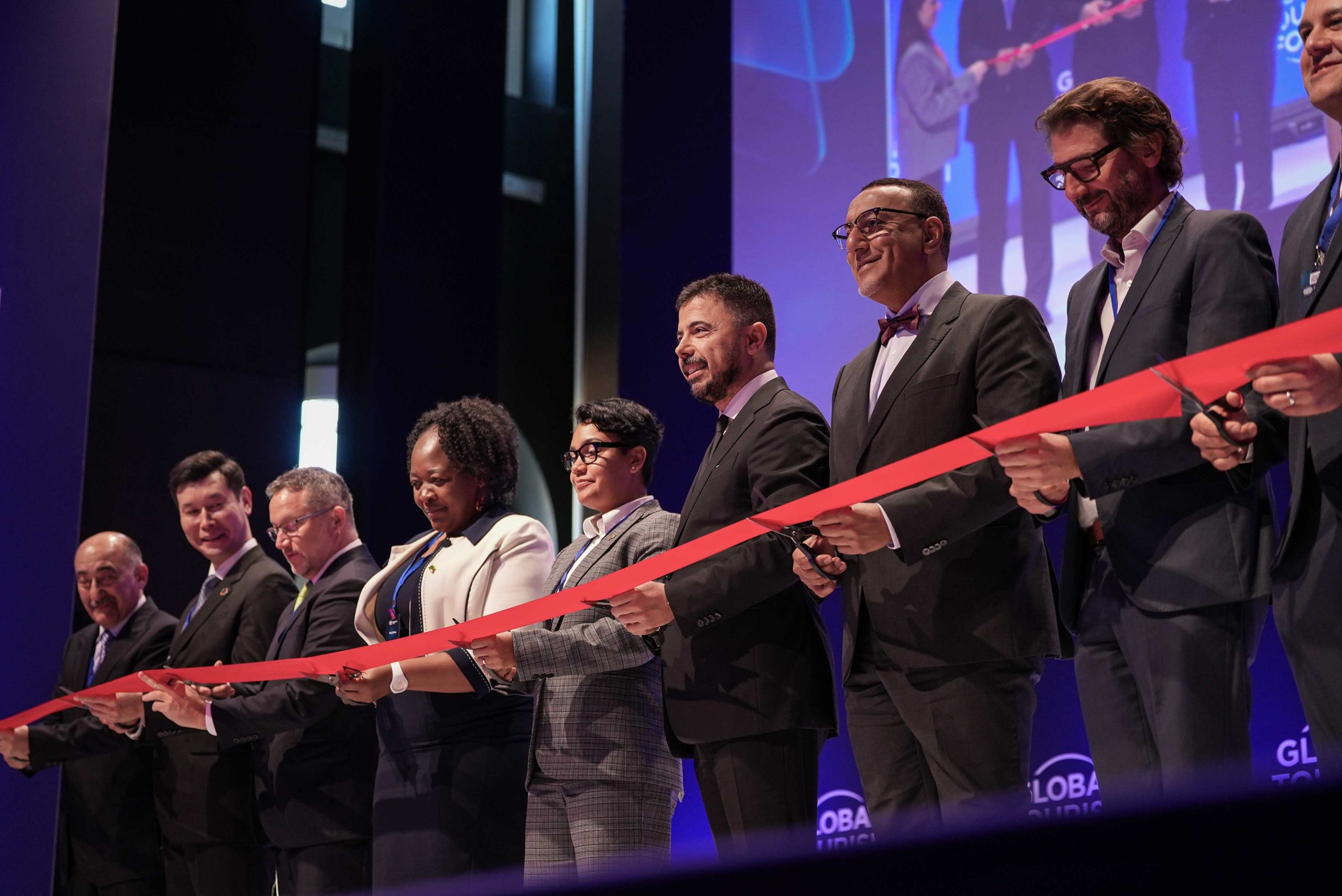
On 9 and 10 November 2026, we brought ministers, European policymakers, diplomats, investors and tourism leaders to Brussels. The theme was ‘European Tourism in a Changing World’. Much of the discussion came down to a question familiar to anyone who has tried to develop a destination. How do you get the institutions that shape an investment to make decisions in time for it to go ahead?
A government may want to attract investors beyond its capital. A hotel operator may see demand in a secondary city but struggle to make the numbers work without reliable air access. Local employers may already know where the skills shortages are and which training providers can address them. The decisions that affect these plans sit with different institutions. In Brussels, the people responsible for those decisions had the opportunity to compare priorities directly.
I have long argued that tourism is infrastructure. An air route can alter the investment case for an entire region. Border procedures can influence which destinations travellers choose. A hotel’s contribution to the local economy depends in part on whether nearby businesses can supply it and whether local workers can build careers there. For policymakers, these are decisions about transport, trade and employment. For investors, they are part of the same calculation.
What it takes to mobilise investment
We saw what this approach can set in motion in Angola. At the Global Tourism Forum Investment Summit in Luanda in June 2026, nearly 20 memoranda of understanding were signed. Those agreements gave the parties a formal basis to continue their work. From there, the questions become more specific. Can the project pass a feasibility assessment? Who will finance it? Which authority can resolve a planning or infrastructure obstacle? Who is responsible for the next decision?
Those questions define how I judge the Forum’s contribution. I want to know which investor returned for a site visit, which government moved a project to the due diligence stage and which parties moved from a general expression of interest to a financing discussion. Each step gives the people involved a clearer basis for deciding whether to proceed.
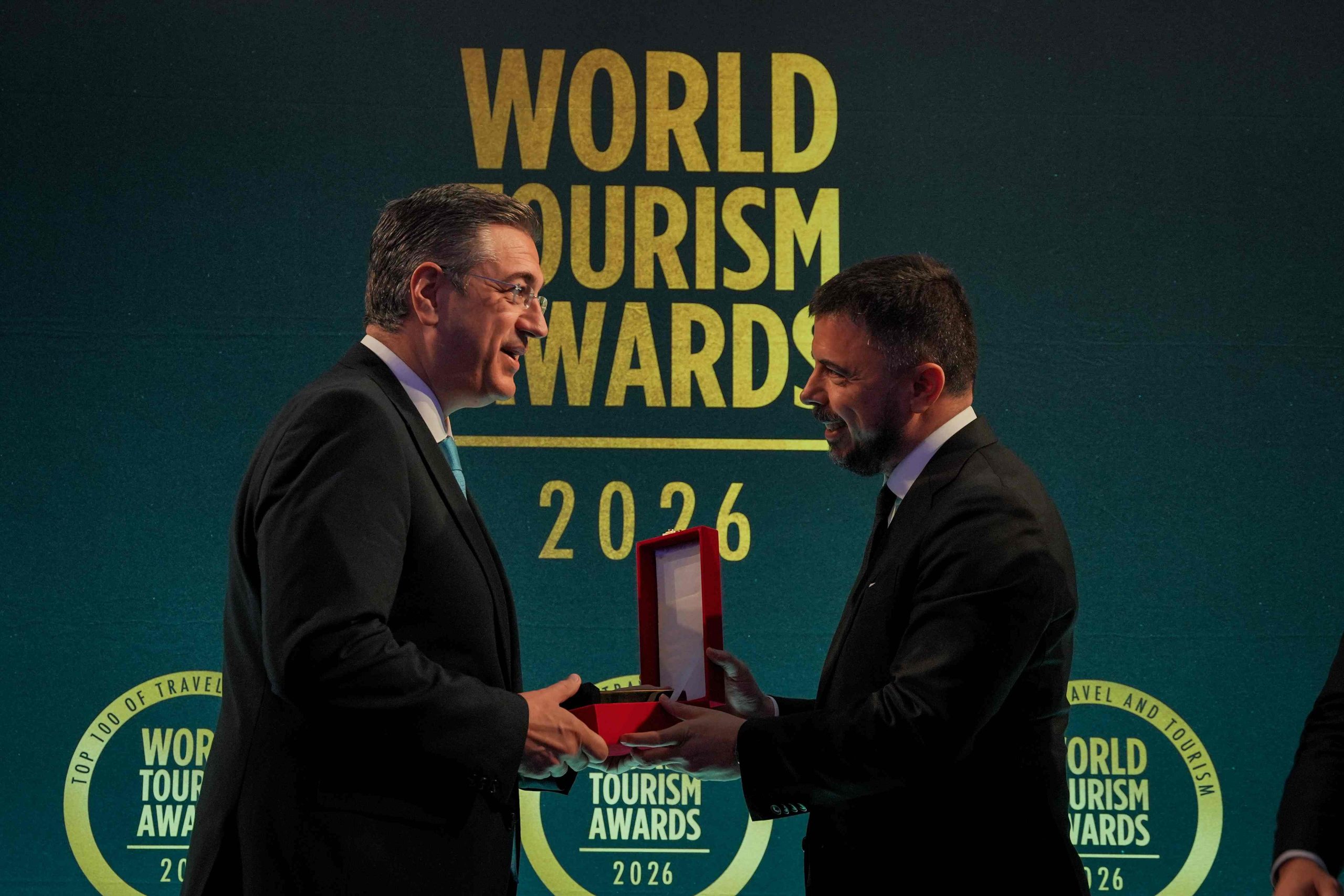
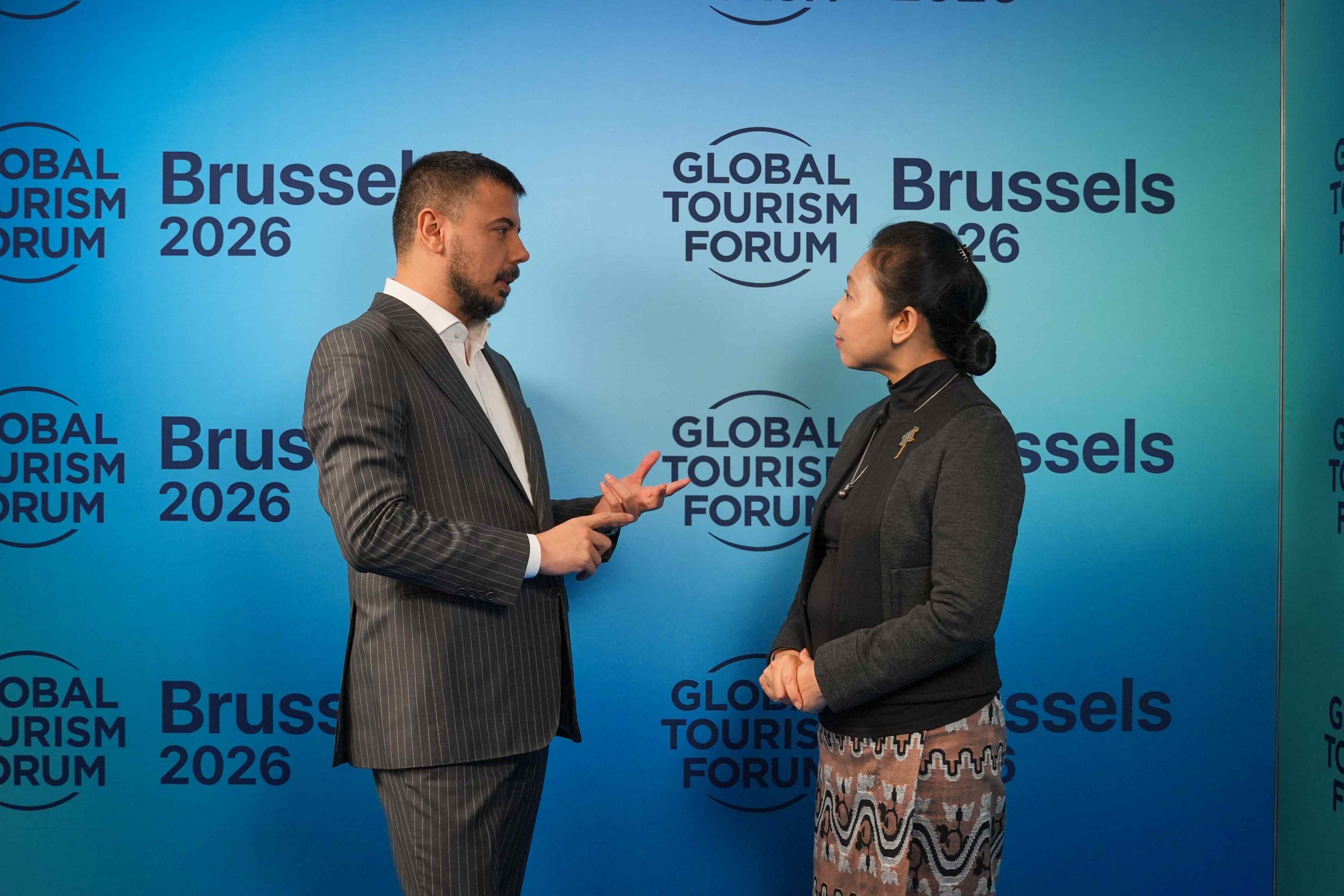
For a government, that can mean hearing directly why an investor has hesitated and which concerns the government has the authority to address. For an investor, it can mean finding the person responsible for making a decision that has been pending for months. Some of the most productive exchanges in Brussels were of this kind. They gave participants a clearer understanding of what their counterparts needed and who could act.
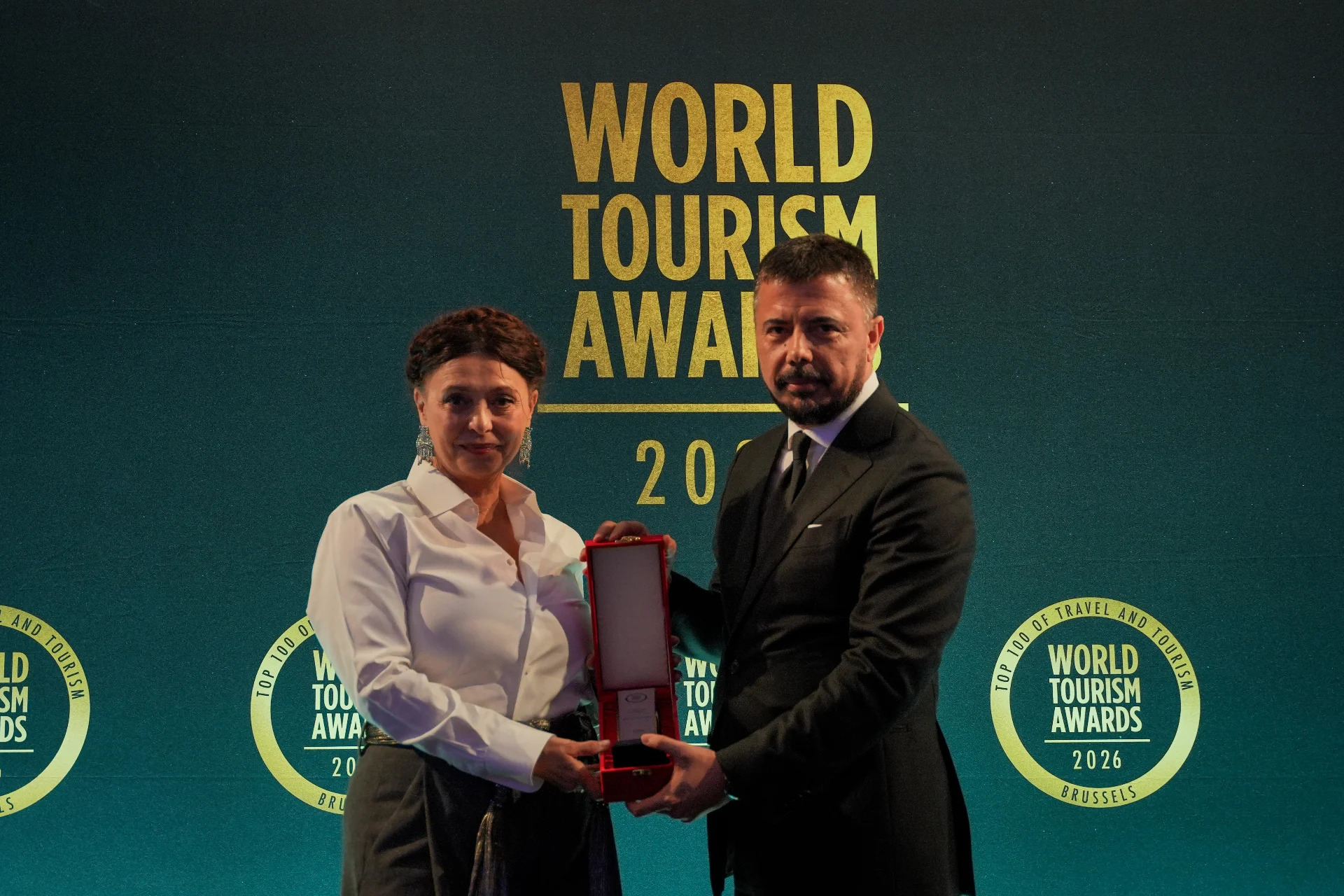
The World Tourism Awards offered another view of how different those investment cases can be. In Brussels, we recognised Mozambique for its tourism investment potential, Montenegro for mountain tourism and Brussels for its standing as a destination for meetings and business events. An investor assessing a coastal project in Mozambique will ask different questions about access, demand and operations from those an investor considering a mountain destination in Montenegro would ask. Matching an opportunity with the right expertise starts with understanding those differences.
Back to Brussels in 2027
The Global Tourism Forum Annual Meeting will return to Brussels in late October or early November 2027. When we reconvene, I look forward to hearing directly from the people who first met in Brussels this November. I want to know which projects advanced, which decisions made that possible and where a government, an investor or a local partner still needs to act. For a platform built to mobilise investment worldwide, that is the conversation worth coming back for.