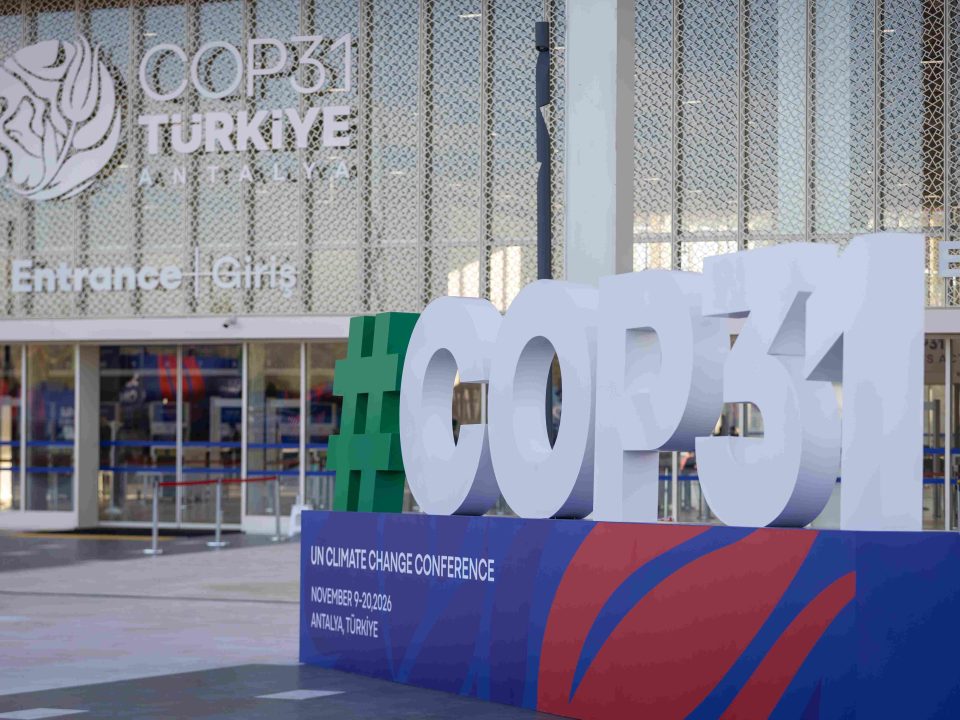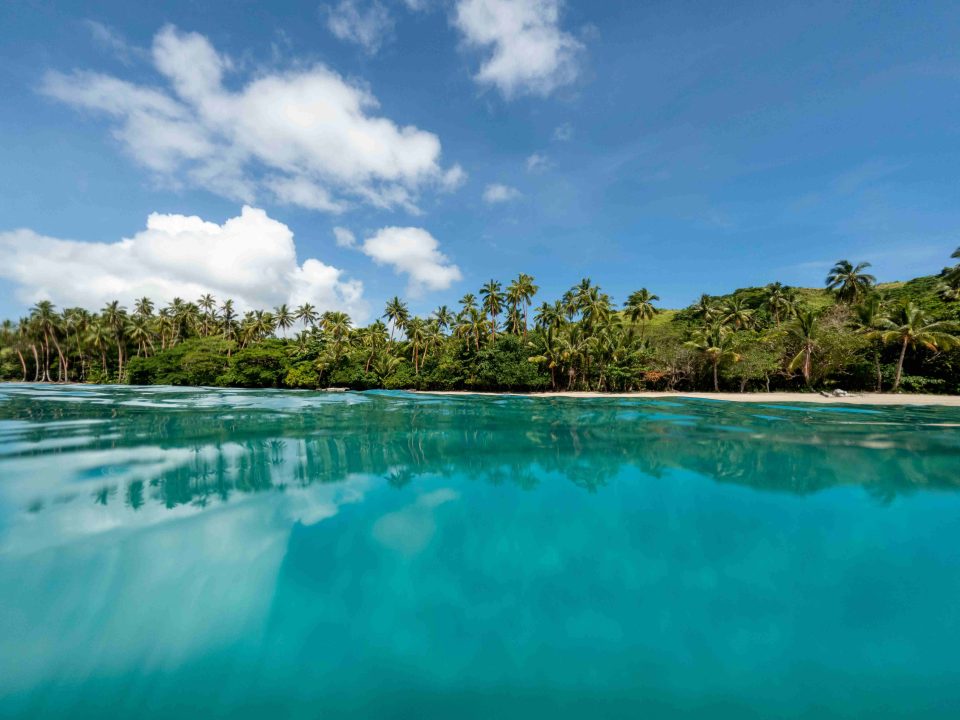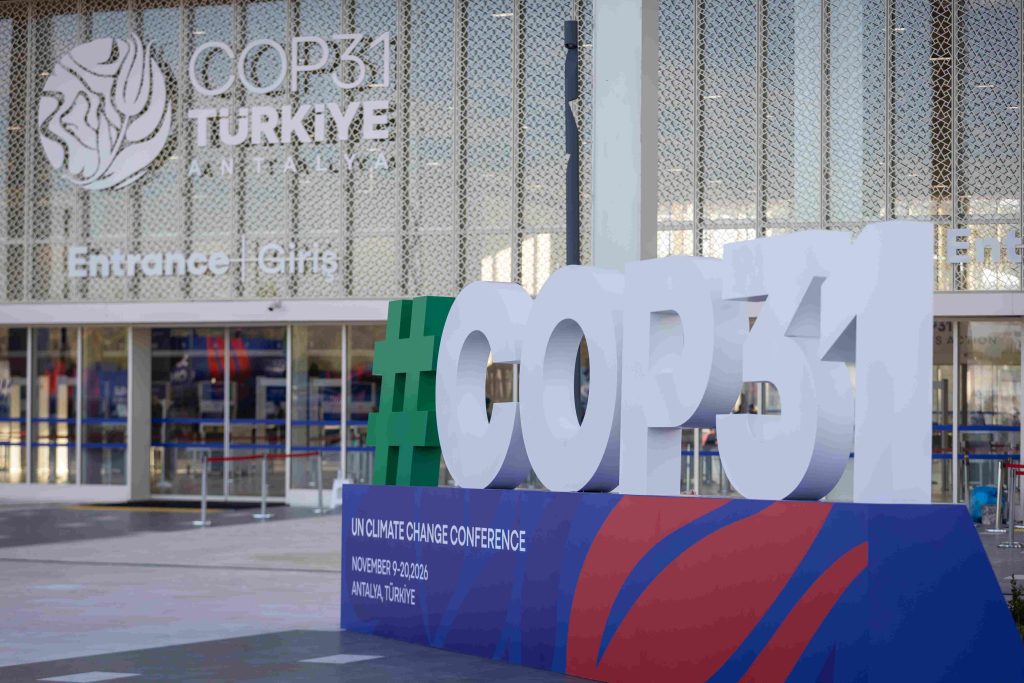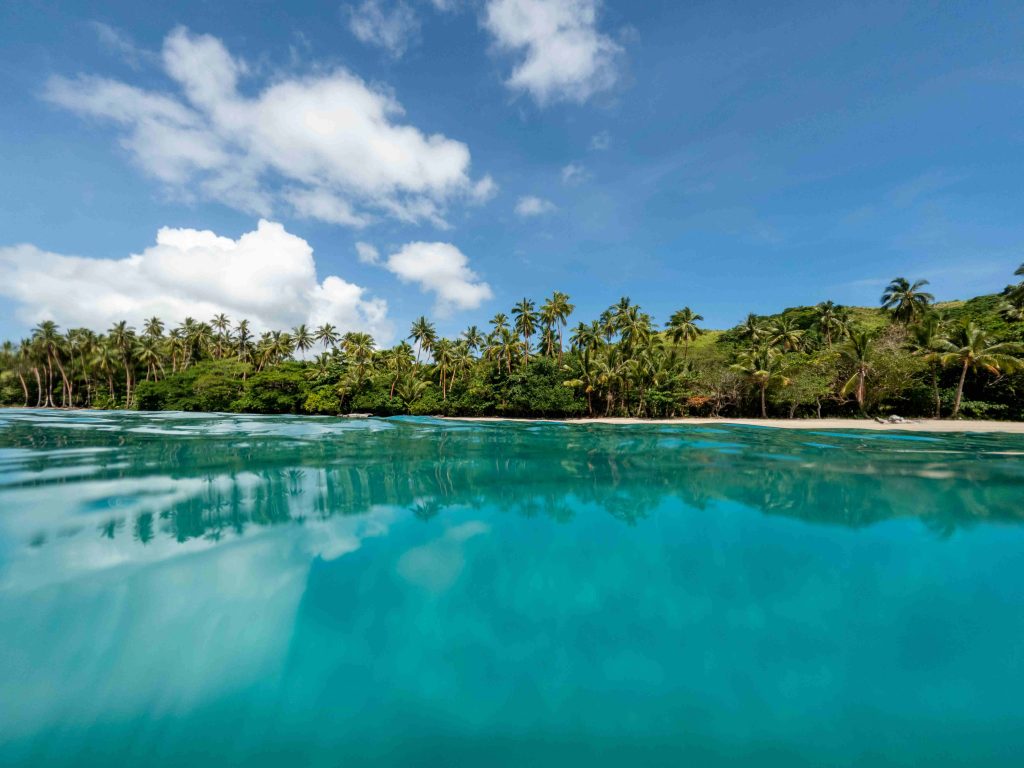


The World Travel & Tourism Council (WTTC), together with its members Iberostar Group and Intrepid Travel, and the Ocean & Climate Platform (OCP), launched the Ocean Catalyst Group (OCG) at COP31 to put coastal tourism and marine protection on the global climate agenda.
The group was created to help protect coastal destinations on which communities depend for their livelihoods, and was announced at this year’s COP conference in Antalya, Türkiye.
The announcement was made at a Spotlight Event entitled Delivering and Powering Resilient Coastal Destinations: Accelerating Implementation through Ocean Breakthroughs. This event brought together representatives from the tourism industry, the renewable energy sector, government, and finance to explore practical solutions for creating more resilient and environmentally sustainable coastal economies.
The group’s first publication, Coastal & Marine Tourism Public-Private Sector Playbook, was also presented at the event. It provides businesses and governments with practical guidance on renewable energy, cleaner transport, and climate-resilient infrastructure.
Given the significant contribution of coastal and marine tourism to the global economy, amounting to €3 trillion in GDP in 2023 and supporting 100 million jobs, its future clearly hinges on healthy marine ecosystems, reliable energy and water supplies, and the people who form its backbone.
With this in mind, the OCG supports the goals of the Coastal Tourism Breakthrough, part of the Ocean Breakthroughs, a series of voluntary initiatives working towards 2030 under the UN Climate Change High-Level Champions.
These initiatives focus on three main areas: investment in coastal resilience, and the protection and restoration of marine ecosystems.
Launched at COP29, the Coastal Tourism Breakthrough aims to mobilise €27.3 billion in annual investment to reduce emissions and bolster the resilience of coastal communities and ecosystems.
“Bringing together businesses, governments and financial institutions can accelerate investment and strengthen resilience”, said Gloria Guevara, WTTC President & CEO. “Through the Ocean Catalyst Group and this new Playbook, we are helping to turn shared ambitions into practical action.”
The OCG is a voluntary tourism private-sector tourism working group designed to encourage cooperation between tourism businesses, governments, financial institutions, insurers and other stakeholders.
Its first task will be to identify shared priorities, develop partnerships and attract investment to coastal destinations. Members will work towards common objectives, while selecting which initiatives to participate in based on their activities, expertise and business priorities.
The event also explored potential collaboration between coastal tourism and the ocean renewable energy sector. Coordinating renewable energy projects, infrastructure investment and government policies with tourism needs could help coastal economies reduce emissions while improving their resilience to climate change.
This call for coordinated action reflects discussions at the Global Tourism Forum in Brussels earlier this month, where industry leaders argued that sustainable tourism should extend beyond individual hotels and resorts to encompass transport, infrastructure and surrounding communities.
Some initiatives are already combining tourism development with marine conservation. In Zanzibar, for example, the Changuu-Bawe Marine Conservation Area was established through a collaboration between the government and a luxury resort operator with the aim of protecting coral reefs and supporting local livelihoods.
The challenge for the OCG will be to transform these shared goals into investments and projects that benefit everyone involved at every level.