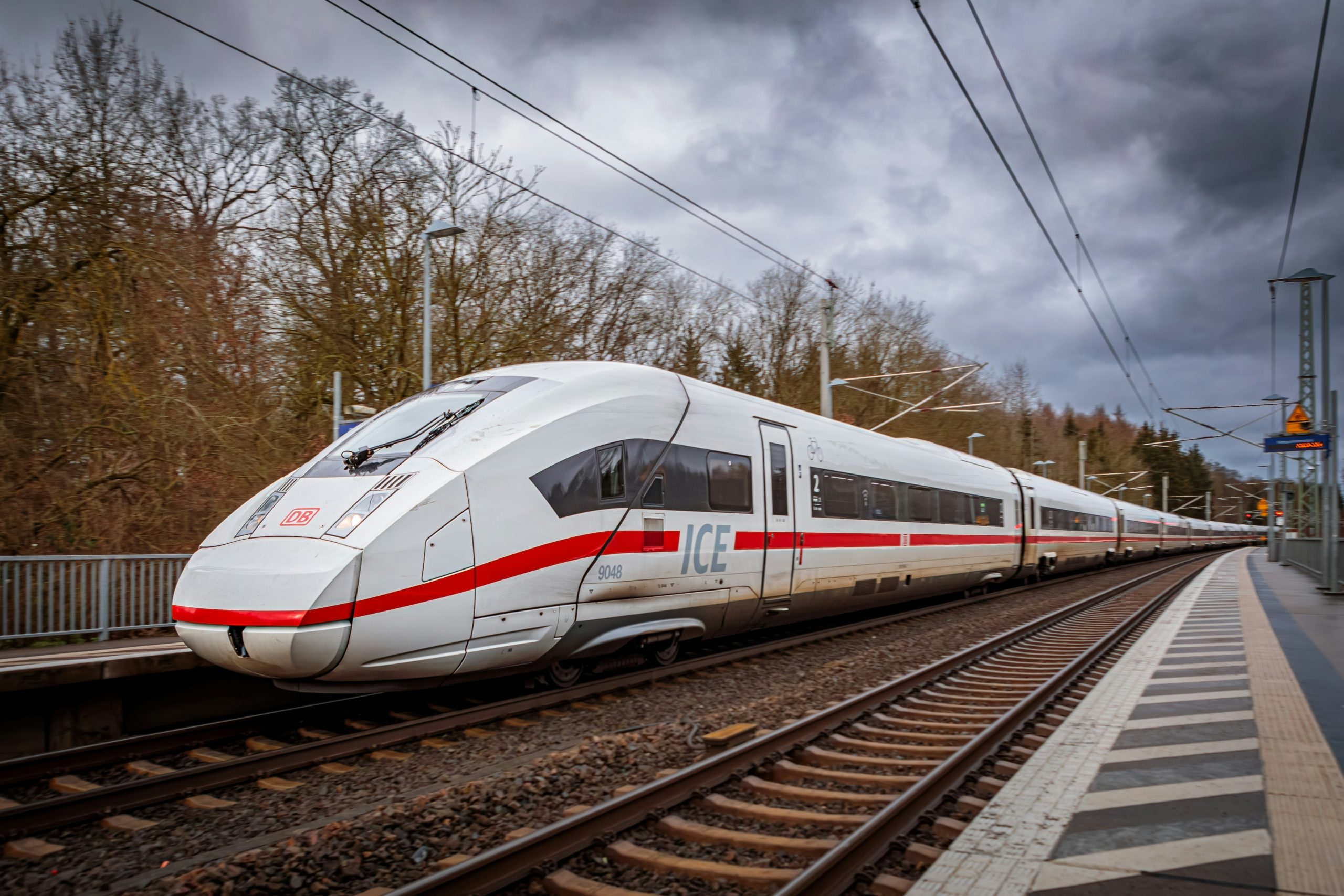



The Netherlands and Germany have agreed to work together to run more trains from Amsterdam to Berlin, Hamburg and Frankfurt. Dutch State Secretary for Public Transport and Rail Annet Bertram and German Transport Minister Steffen Bilger signed a joint declaration in Berlin on 10 November 2026. Both countries want to shorten journey times, particularly between Amsterdam and Berlin. They also want to make it easier for new rail companies to offer cross-border services. The declaration names the three priority routes but leaves open how many extra trains will run, when passengers could see a new timetable and how much time they might save.
For travellers heading beyond Germany, more departures from Amsterdam could make it easier to catch a connecting train. Someone travelling to Copenhagen, for example, could take a train to Hamburg and continue north from there. Berlin offers onward connections to Warsaw and Prague, while passengers travelling via Frankfurt can continue to Basel in Switzerland or Vienna in Austria. One service already illustrates how these routes fit together. The direct train linking Prague, Berlin and Copenhagen began operating in May 2026 and also calls at Hamburg. This gives travellers from the Netherlands two places in Germany where they can join the service.
The 660-kilometre journey from Amsterdam to Berlin currently takes almost seven hours. Engineering works between Hannover and Berlin have diverted the high-speed trains run by NS and Deutsche Bahn via Hamburg. Bertram told NOS she had wanted to take the train to Berlin for the signing, but the diversions made that impractical. “Interest is not the problem, speed is”, said Bertram. She would like passengers travelling to Berlin or Frankfurt to have “several options an hour” within 10 to 15 years. In the meantime, NS and Deutsche Bahn have provisionally removed their direct Amsterdam–Berlin high-speed trains from the timetable between 6 February and 14 May 2027. An NS spokesperson said the operators had requested an alternative route through Germany.
Some regional passengers are already seeing changes. The Wunderline, which connects the northern Dutch city of Groningen with Leer in Germany, has reopened. Further south, passenger trains are due to start running between Coevorden and Bad Bentheim in December 2026, restoring a service after 87 years. A longer-term proposal concerns the Lelylijn, a railway that would connect Lelystad with Groningen via Emmeloord, Heerenveen and Drachten. The two countries will examine whether it could extend into Germany as part of a wider route linking Amsterdam, Groningen, Oldenburg and Bremen.
For freight, one priority is to increase capacity between Emmerich and Oberhausen in Germany. This stretch connects to the Betuweroute, a Dutch freight railway that carries goods from the port of Rotterdam towards Germany’s industrial Ruhr region. Both countries want to make it easier to run 740-metre trains carrying commercial goods or military equipment. They also plan to coordinate the introduction of the European Rail Traffic Management System, which gives railways on either side of the border a common signalling standard. “Precisely on the railways there are major opportunities for environmentally friendly mobility, efficient supply chains, and better connections within Europe”, said Bilger.
Private operators have already tested demand on two of the routes covered by the agreement. Dutch company GoVolta announced plans for trains from Amsterdam to Berlin and Hamburg in December 2025 and launched both services in March 2026. It now runs six direct services a week between Amsterdam and Berlin, but withdrew its Hamburg service at the end of May. Under the declaration, working groups will examine what needs to change on routes including the Oldenzaal–Bad Bentheim border crossing and the line from Venlo through Kaldenkirchen to Viersen. Ministers will meet each year with ProRail and DB InfraGO, the organisations that manage rail infrastructure in the Netherlands and Germany, to review progress.