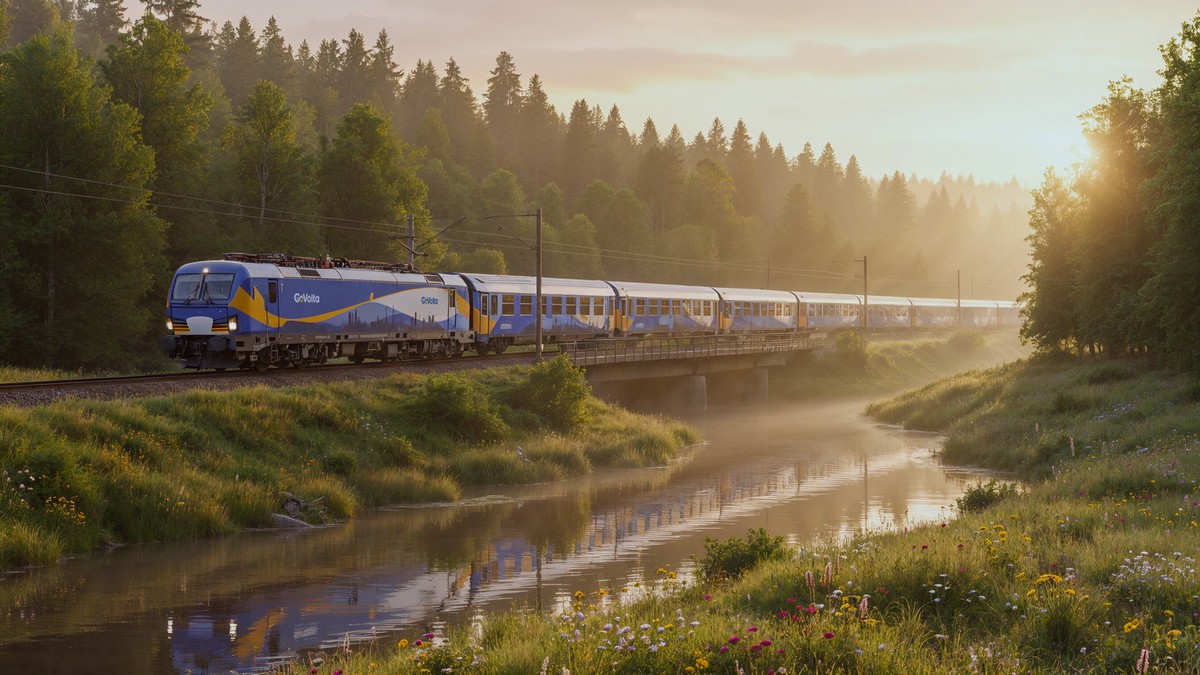



A new Dutch rail startup is preparing to enter Europe’s international train market with an ambitious promise. Affordable fares, guaranteed seating, and direct connections between major cities. GoVolta, often described as the easyJet of the railways, will begin operations in March 2026, offering one-way tickets from Amsterdam to Berlin starting at just €10.
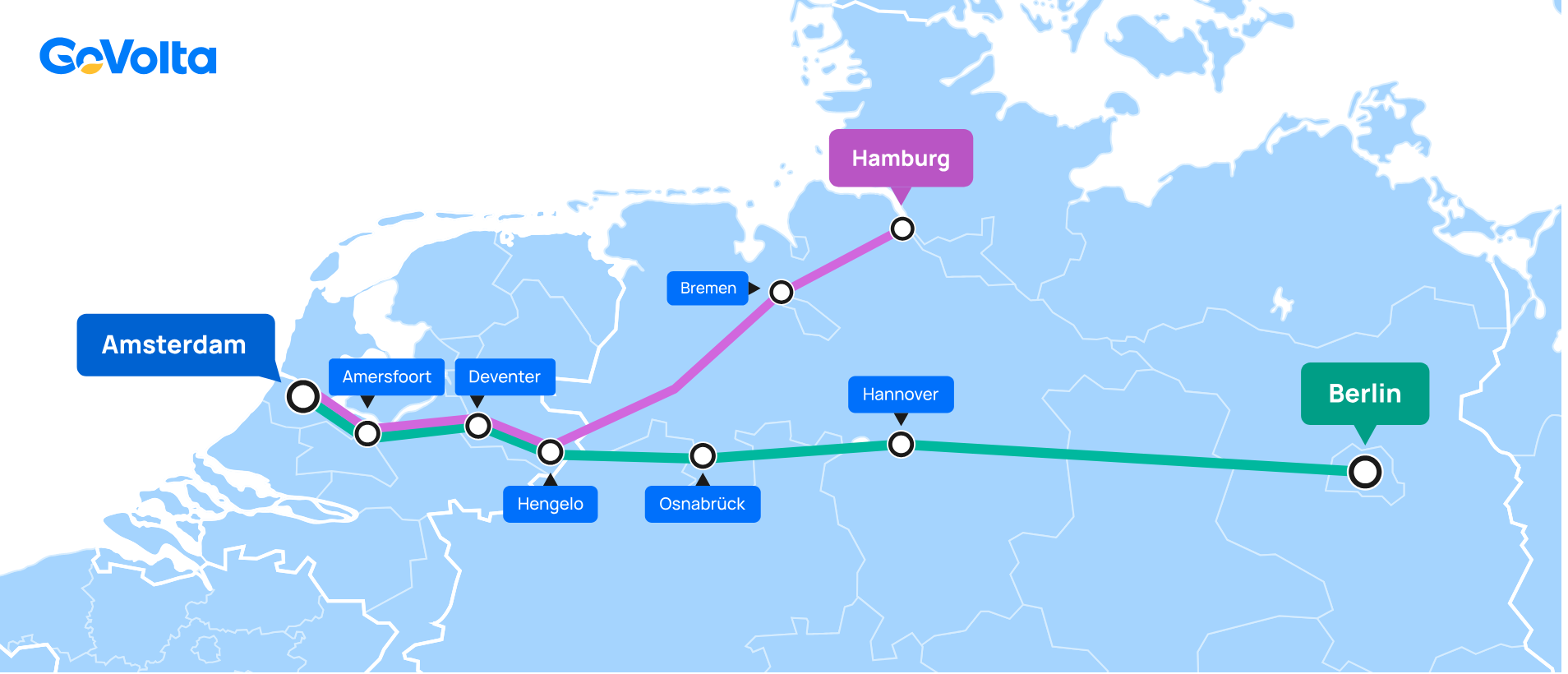
The first train to Berlin is scheduled to depart on 19 March 2026, with a connection to Hamburg launching the following day. Initially, both routes will operate three times a week, before being upgraded to daily services in the summer of 2026. Tickets are already available to book.
GoVolta aims to attract travellers who would otherwise choose to fly or drive, citing high prices and complex booking systems as key barriers to international rail travel.
“If you ask people about international trains, you always hear the same story,” says Hessel Winkelman, co-founder of GoVolta. “You spend ages searching, you pay a premium, and then it is questionable whether you even have a seat. We want to change that.”
Affordable tickets with guaranteed seats
The company’s pricing strategy is among the most aggressive currently seen in Europe’s rail sector. The first 100 tickets on each train will be sold for €10 one way, while average fares between Amsterdam and Berlin are expected to sit around €30.
By comparison, standard tickets on Deutsche Bahn ICE services for the same route typically cost between €34 and €59, often involve multiple changes, and require an additional fee for seat reservations. GoVolta includes a reserved seat with every ticket as standard.
Two pieces of hand luggage are included in the base fare. Passengers travelling with larger or extra luggage can add this during the booking process, following a model familiar to low-cost airline passengers.
In addition to individual tickets, GoVolta will offer ready-made city break packages, combining train travel and hotel accommodation in a single booking. According to co-founder Maarten Bastian, this approach is designed to make rail travel feel as straightforward as flying.
“We noticed that many people would like to take the train, but often end up flying or driving because it is too expensive or too complicated,” Bastian explains. “With GoVolta, we make it very simple. Affordable tickets and always a guaranteed seat. You also book your hotel directly, only now you board the train instead of the plane.”
Direct routes across the Netherlands and Germany
GoVolta’s Amsterdam to Berlin service will stop in Amersfoort, Deventer, Hengelo, Bad Bentheim, Osnabrück, and Hannover before reaching the German capital. The Hamburg service will follow a similar route.
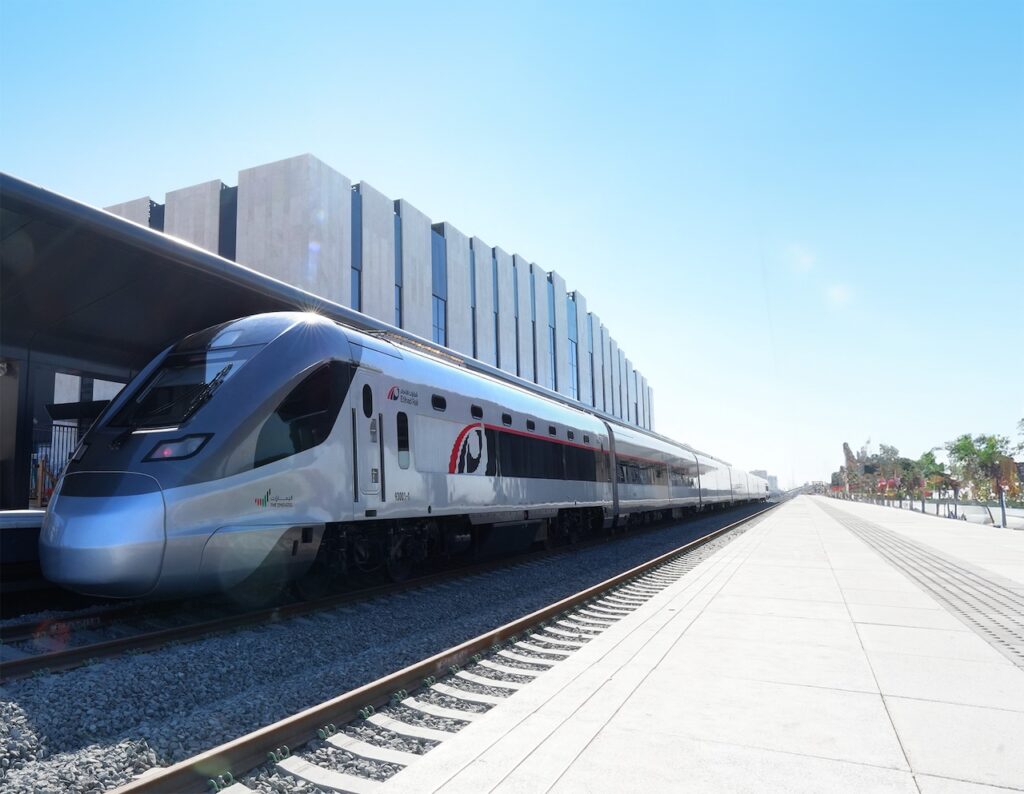
While the trains offer direct connections, journey times will be longer than existing high-speed alternatives. GoVolta’s rolling stock has a maximum speed of 160 km/h, compared with up to 300 km/h on ICE and Eurostar services.
As a result, the Amsterdam to Berlin journey is expected to take around an hour longer than the current high-speed trains. The planned Amsterdam to Paris route, scheduled to launch in December 2026, could take roughly twice as long as the Eurostar.
GoVolta appears confident that many travellers will be willing to trade speed for lower prices, simplicity, and guaranteed comfort, particularly on short and medium haul routes where environmental concerns are increasingly influencing travel choices.
What passengers can expect on board
Each GoVolta train will consist of 11 carriages with approximately 820 seats. A lounge car will serve hot and cold drinks, snacks, and light meals throughout the journey.
Passengers can choose between two ticket classes. Economy offers standard seating, with the option to reserve the adjacent seat at a reduced price for additional personal space. Comfort class provides a quieter environment and more spacious seating, aimed at travellers looking for a calmer onboard experience.
While positioned as a budget operator, GoVolta is keen to distance itself from a no frills image, emphasising comfort, reliability, and a straightforward travel experience.
Part of a wider shift in European rail
GoVolta is entering a market that is already undergoing rapid change. Across Europe, a growing number of low-cost rail operators are challenging national monopolies and offering alternatives to short-haul flights.
Dutch-Belgian startup European Sleeper began operating affordable night trains in 2023 and is set to expand in June 2026 with new routes from Brussels and Amsterdam to Milan via Switzerland. Elsewhere, Ouigo in France, Avlo in Spain, and Lumo in the United Kingdom have demonstrated strong demand for cheaper rail travel.
Beyond commercial initiatives, public support for rail travel is also becoming more visible. On the evening of 12 December, campaigners gathered at train stations across 13 European cities to stage Pyjama Parties for Night Trains, calling for better night train connections and fewer cancellations.
From Lisbon to Vienna, and in cities including Amsterdam, Berlin, Paris, Copenhagen, and Stockholm, people arrived in pyjamas carrying pillows and occupying night train platforms. The actions were organised by mobility groups such as Stay Grounded, Back on Track, and ATERRA.
“We need to change the direction of travel,” the groups said, as they called for a fully connected and affordable European night train network and highlighted growing frustration with fragmented international rail services.
Together, these developments point to a broader momentum around rail travel in Europe, driven not only by price and convenience but also by climate concerns and public demand for credible alternatives to flying.