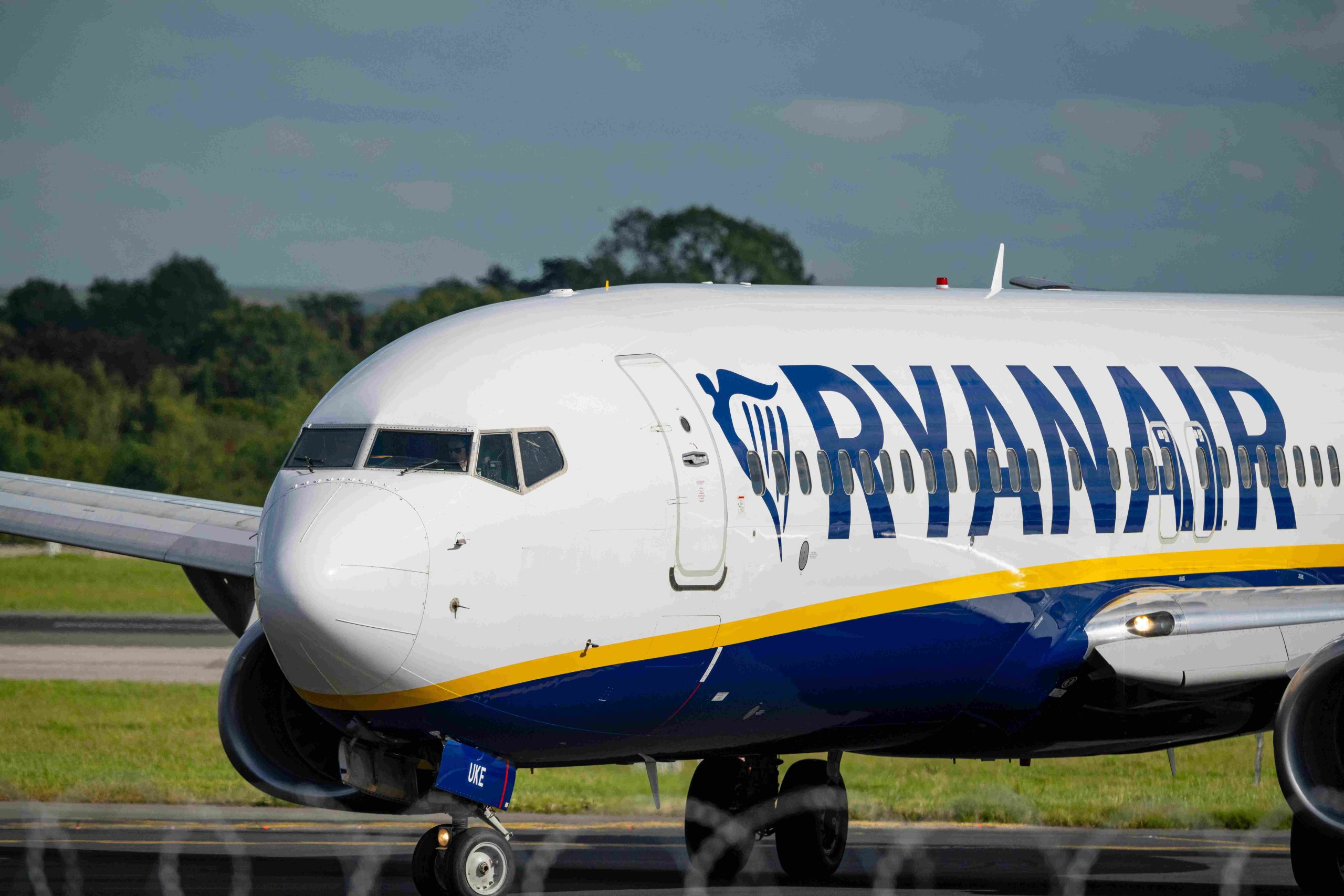


Ryanair is looking at several ways to cut costs, including pay freezes, fewer crew members on flights and more use of artificial intelligence, as jet fuel prices rise sharply. The Irish low-cost airline expects its fuel bill to increase by about €2 billion in its next financial year, which ends in March 2028. Chief executive Michael O’Leary also expects European airfares to rise by more than 10% in 2027.
When the airline published its half-year results, O’Leary said Ryanair was reviewing costs across the whole group. This includes airport negotiations, possible temporary pay freezes when staff agreements end, fewer crew members on board and increased use of AI. However, the airline admits it cannot reduce crew numbers much, because it must follow legal minimums.
Ryanair H1 FY27 Results = €2.15BN profit after tax (-15% vs H1 FY26) as unhedged 20% jet-fuel prices doubled to c.$130bbl. ✈️ Traffic up 6% to 125.8m ✈️ Average fare down 4% ✈️ 126 new Summer 2027 routes & 1 new base (Rimini)
— Ryanair (@Ryanair) November 2, 2026
Ryanair said it would use AI mainly to make its operations, office and support teams more productive. According to O’Leary, the technology has already helped the airline increase capacity by 4%. He added that, thanks to AI, current managers can now handle more work with the same resources, so the airline needs fewer middle managers and has cut back its graduate programme. Ryanair is also slowing down the recruitment of new pilots and cabin crew.
The idea of pay freezes could lead to a conflict with unions. The Unite union said it had not been told about any such plans and that its multi-year agreements did not depend on the company’s results. The Irish Airline Pilots’ Association also rejected the idea, saying other airlines pay their pilots much more despite facing the same fuel costs.
The main reason for these measures is the conflict in the Middle East, which has pushed oil prices up. At the same time, Ryanair’s fuel hedging, contracts that fix fuel prices in advance, will soon offer less protection. The airline has fixed the price of 80% of its fuel until the end of March at $67 a barrel, but it must buy the other 20% at market rates, which have roughly doubled to about $130 a barrel. O’Leary warned that, unless the conflict ends quickly, fuel prices will “remain elevated well into 2027”.
Ryanair expects short-haul fares in Europe to rise significantly next year, although it says higher prices will not be enough to cover the full cost increase. This is not the first warning: last month in Brussels, O’Leary said travellers would face “the biggest increase in airfares in history” in 2027. He explained that many airlines had failed to protect themselves against the fuel crisis caused by the US-Israel war on Iran, and that mergers and bankruptcies would reduce the number of available seats, which could push European fares up by 10% to 20%.
For travellers, the message is clear: very cheap flights may soon be harder to find.