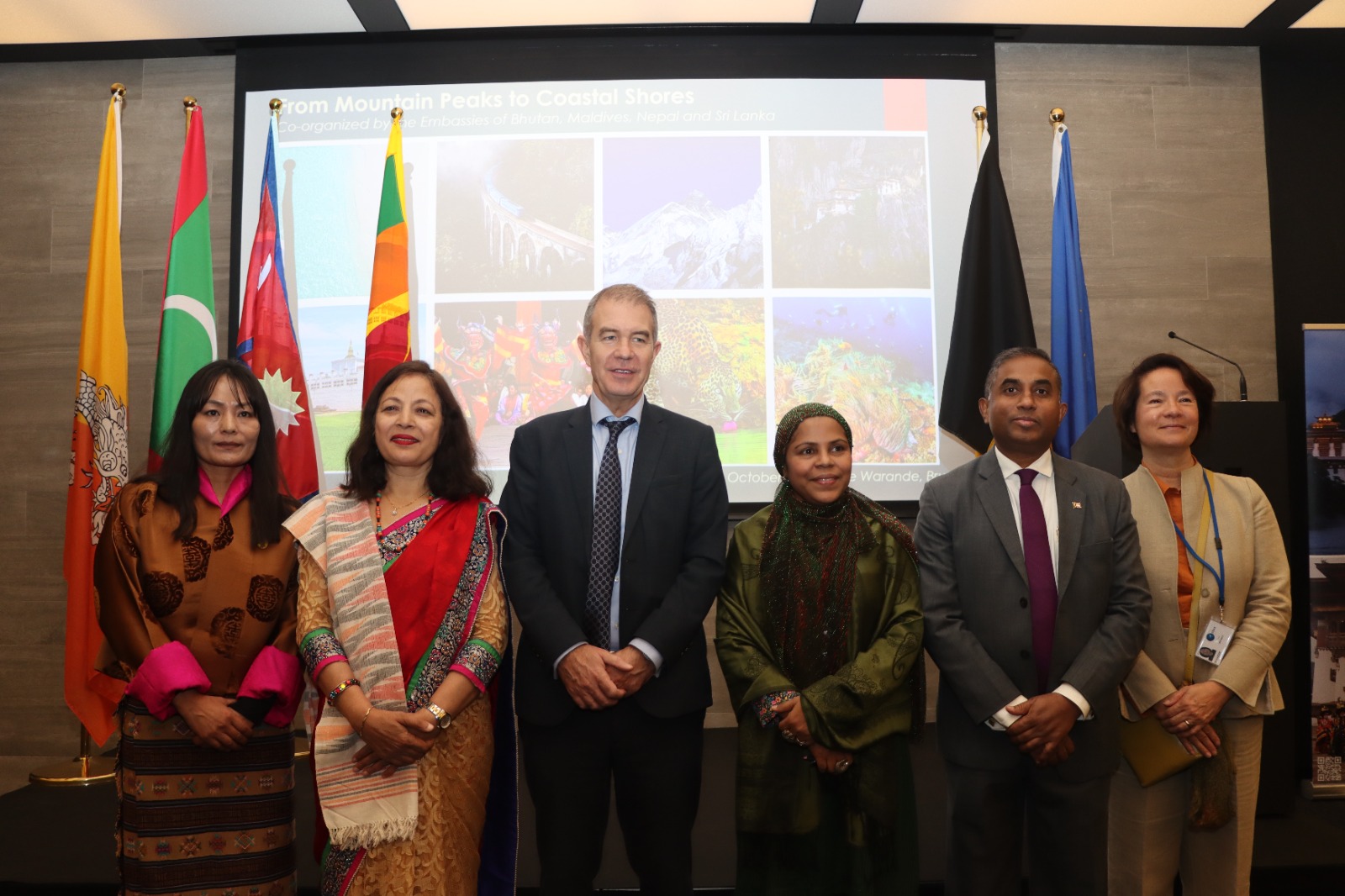


Bhutan, the Maldives, Nepal and Sri Lanka brought their tourism offerings to Brussels on 29 October 2026, presenting journeys ranging from Himalayan trekking and spiritual retreats to island discoveries and coastal escapes. Jointly organised by the four countries’ embassies at De Warande, “From Mountain Peaks to Coastal Shores” placed hospitality, cultural heritage and responsible tourism at the centre of its second edition.
The gathering built on the inaugural event, held at the same venue in July 2025 under the title “The Enchanting Trio”. With Nepal joining Bhutan, the Maldives and Sri Lanka, this year’s edition broadened the geographical scope while maintaining a shared focus on tourism that supports communities and protects the places travellers come to experience.
EU highlights tourism’s role in sustainable development
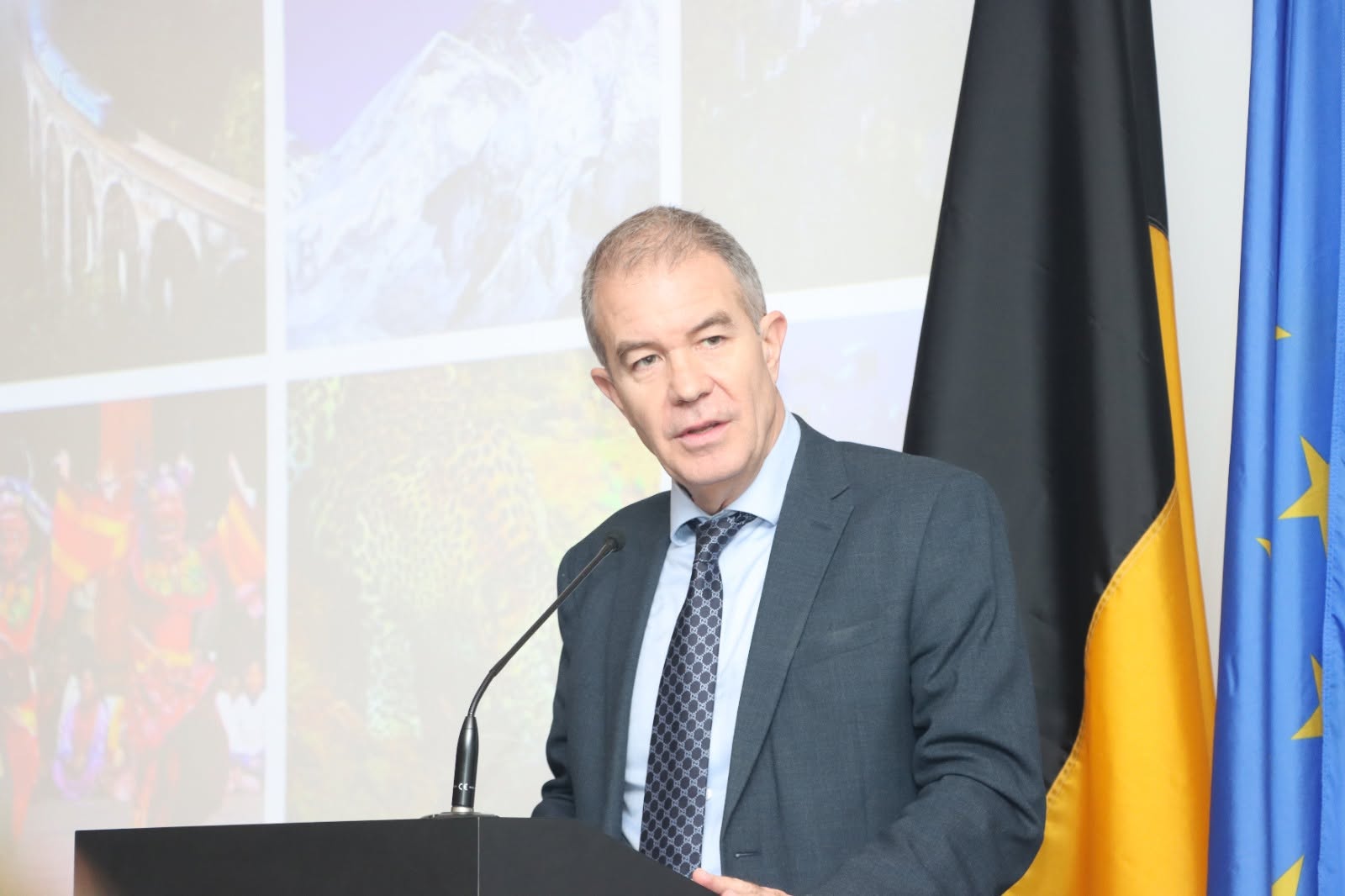
Guest of honour Dominic Porter, Deputy Managing Director for Asia and the Pacific at the European External Action Service, connected the destinations’ presentations with the European Union’s work on sustainable development. He described tourism as a source of employment, cultural exchange and conservation, while outlining EU support for businesses, heritage protection and greener tourism practices across the region.
“Tourism still holds much untapped potential to promote connections between people,” Porter said. He highlighted assistance for local guesthouses and safari vessels in the Maldives, cultural heritage and sustainable tourism projects in Nepal, and support for Sri Lankan tourism businesses recovering from economic crises.
Bhutan: kindness, mindfulness and a lighter footprint
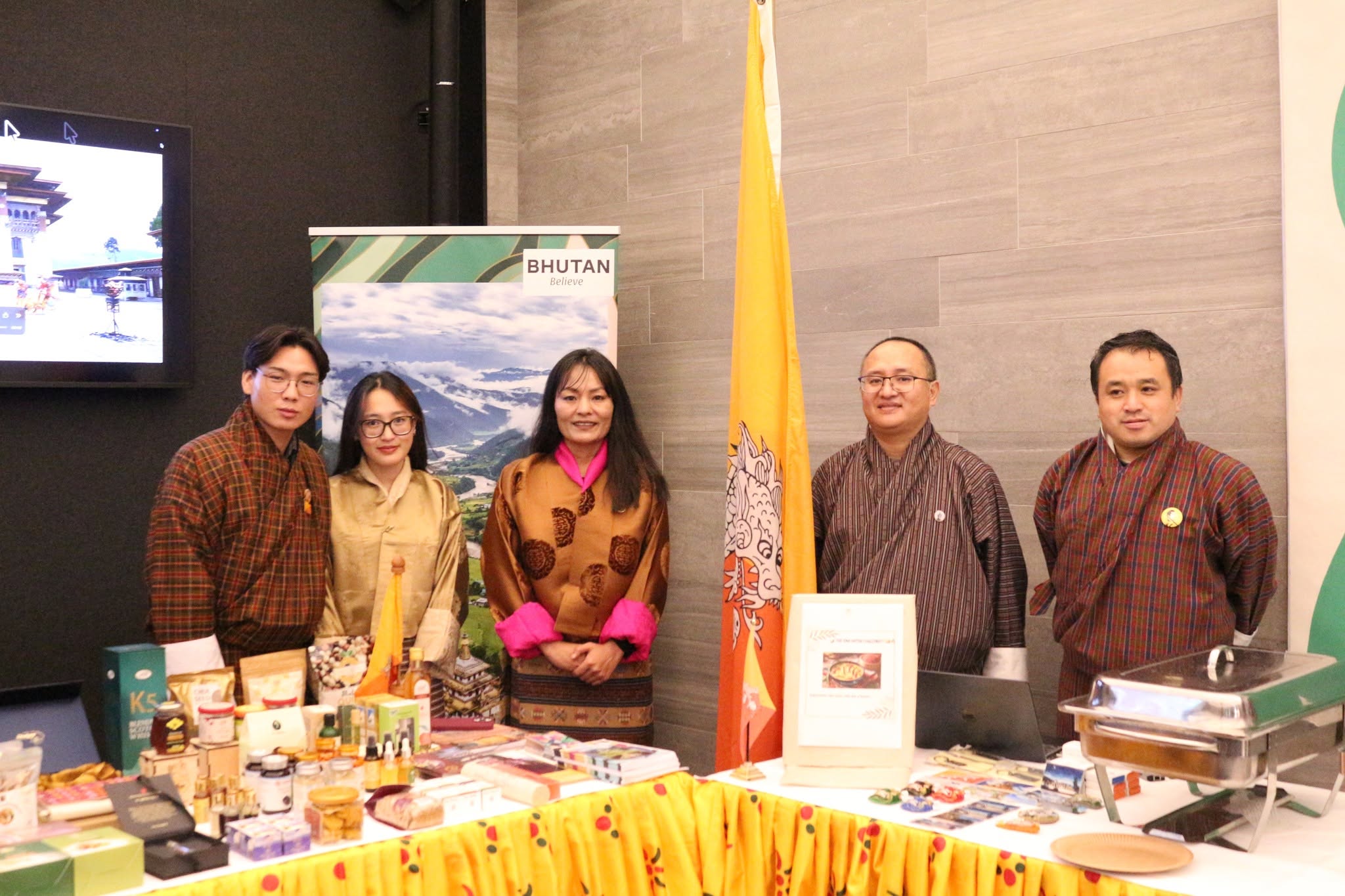
For Bhutan’s Ambassador Tshoki Choden, the visitor experience begins with something less tangible than scenery: the freedom to feel welcome and at ease. “One of the greatest luxuries of travel is being able to let your guard down,” she said, presenting kindness and hospitality as defining features of a journey through the Himalayan kingdom.
Choden linked that welcome to Bhutan’s approach to development, describing mindfulness as a principle that shapes both everyday life and tourism policy. She highlighted the country’s constitutional commitment to maintaining at least 60% forest cover and its high-value, low-impact tourism model, which seeks to protect cultural heritage and the environment while benefiting local communities.
“We believe that not everything has to be conquered to prosper,” she said, referring to Bhutan’s unconquered mountains. Her invitation also extended to the country’s food, including its famously fiery combination of chillies and cheese, and to a broader exploration of what happiness means beyond material possessions.
Nepal: adventure and spiritual discovery
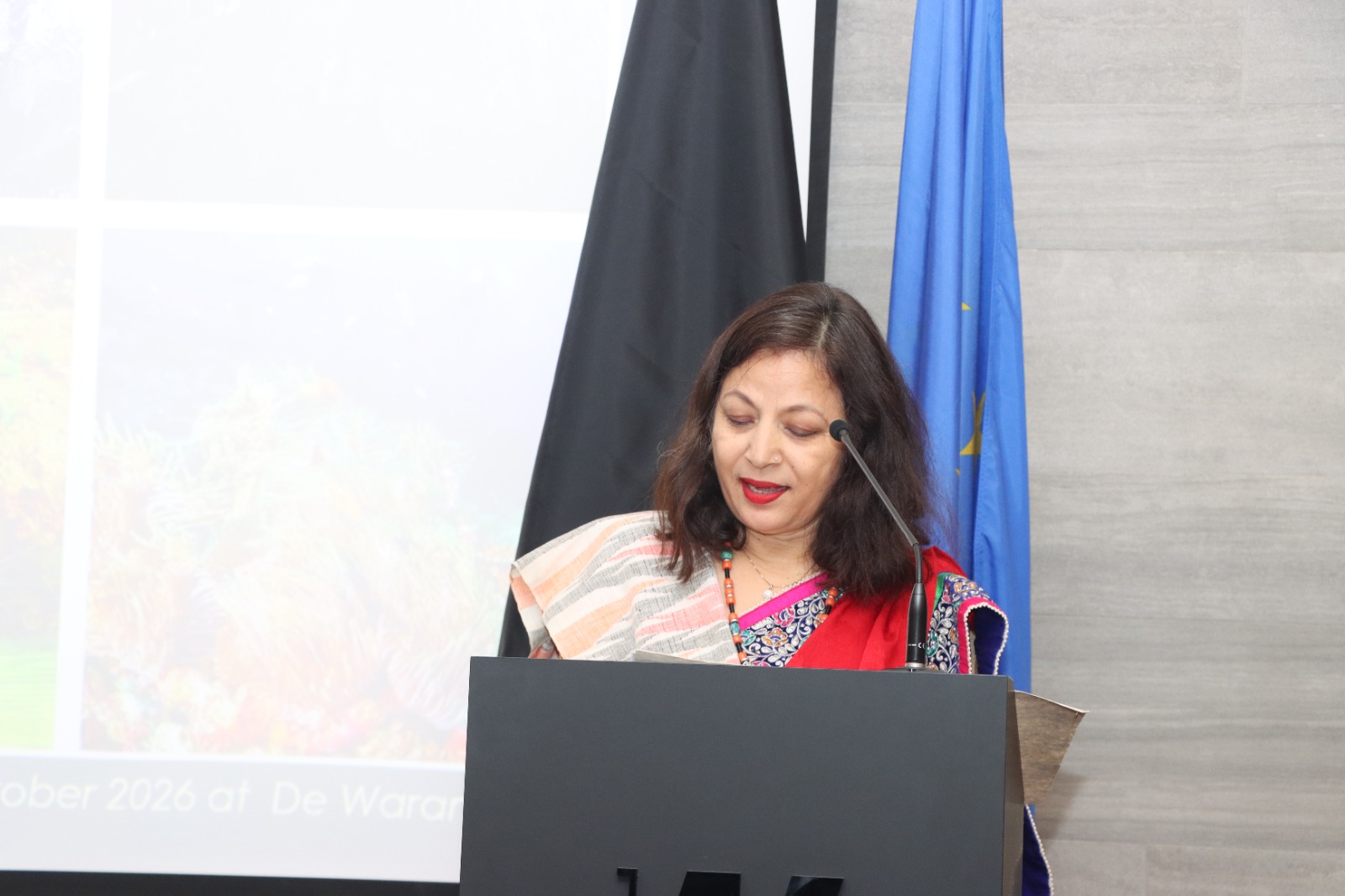
Nepal’s Ambassador Sewa Lamsal presented a destination where adventure, cultural diversity and spiritual heritage sit alongside one another. Moving from the Himalayas to the country’s southern plains, she described opportunities for trekking, rafting, paragliding and mountain biking, as well as quieter experiences centred on meditation and reflection.
“Welcoming visitors with respect and generosity is perhaps the greatest gift people carry home,” Lamsal said. She highlighted Lumbini, the birthplace of the Buddha, alongside Nepal’s temples, monasteries and pilgrimage traditions, inviting travellers to explore a country whose appeal extends well beyond its best-known mountain routes.
Well-being was another theme of her address, with Lamsal encouraging visitors to discover Nepal through cultural immersion, mindfulness and time in nature. She also invited investors and business leaders to explore opportunities in the tourism sector, placing local hospitality at the heart of its future development.
Sri Lanka: an island of discovery and serendipity
Sri Lanka’s Ambassador Chandana Weerasena drew on his country’s long history of welcoming travellers, describing an island shaped by maritime connections and encounters between cultures. “We continue building bridges and sharing the very best of what our countries have to offer,” he said, introducing a destination he associated with discovery and serendipity.
His presentation reflected the breadth of Sri Lanka’s appeal, from its Indian Ocean setting to its cultural heritage. Travel Tomorrow’s reporting has explored that variety through experiences such as Isiwara Ayurvedic Village in Matale, where spice gardens, cooking and traditional practices offer visitors an introduction to local knowledge and daily life.
The country has also taken steps to encourage international arrivals. As Travel Tomorrow reported in May, Sri Lanka introduced a free Electronic Travel Authorization scheme for tourists from 40 countries, including Belgium, while retaining the requirement to obtain authorisation before travelling.
Maldives prepares for ITB Berlin 2027 spotlight
Represented by Ambassador Fathimath Dhiyana Saeed, the Maldives participated as it prepares for a prominent place on the international tourism calendar. The island nation will be the Official Host Country of ITB Berlin 2027, taking place from 16 to 18 March, providing a platform to showcase its hospitality, cultural diversity and tourism experiences to the global travel industry.
The preparations form part of a wider promotional push that includes Visit Maldives Year 2027. Alongside its established luxury offering, developments such as a proposed electric hydrofoil boat network illustrate efforts to improve connections between islands while reducing the environmental impact of transport.
A shared commitment to responsible travel
Across the four presentations, hospitality emerged as the common thread linking very different landscapes and travel experiences. Porter’s closing message returned to the importance of ensuring that tourism benefits the people and ecosystems on which it depends: “You can count on us to accompany you on this journey every step of the way.”