

As visitor numbers reach record highs despite political turbulence, Georgia is positioning tourism as a central pillar of its economic future. But the next decade will test whether the country can turn rising arrivals into lasting prosperity.
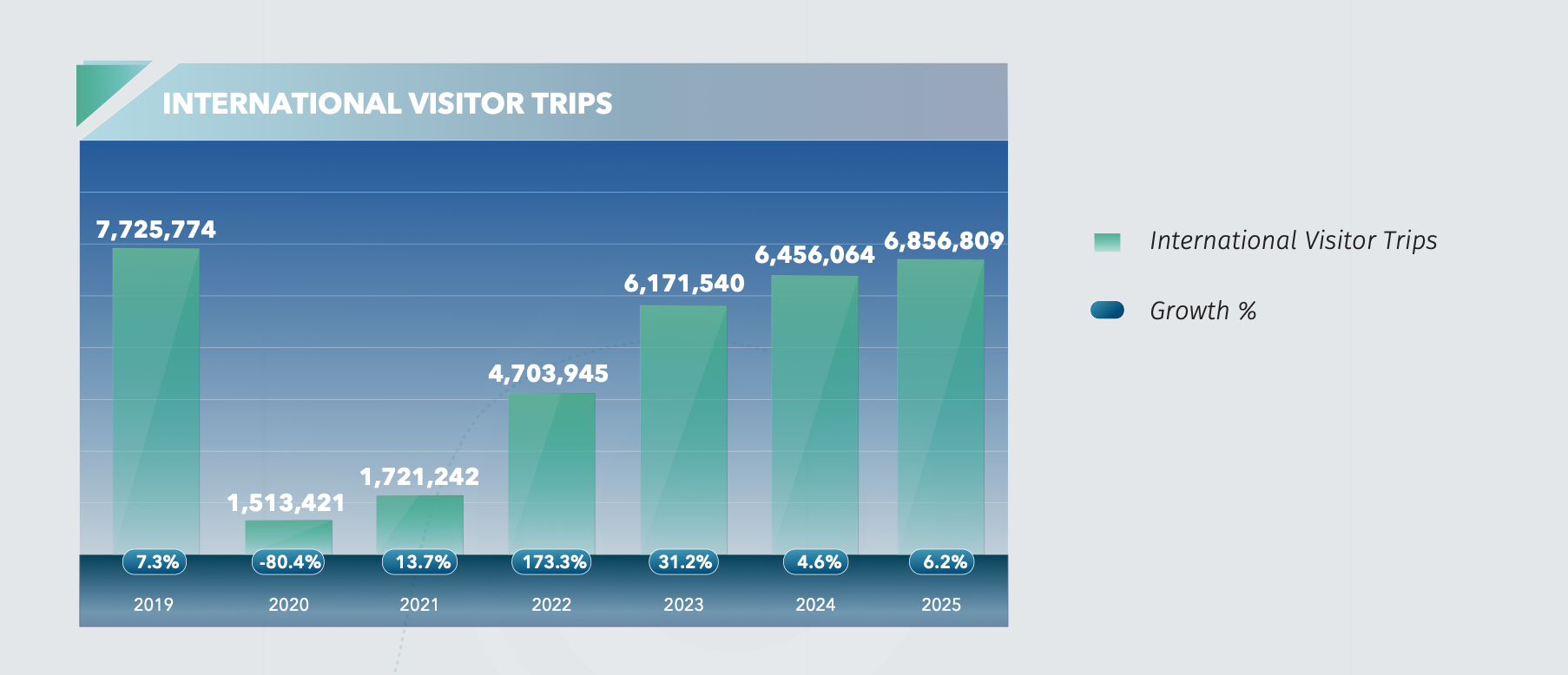
Georgia has emerged as one of the most compelling tourism growth stories in the wider European region. Between 2021 and 2025, annual international tourist visits surged from approximately 1.6 million to 5.5 million, while tourism revenues climbed to $4.7 billion. The country surpassed its pre-pandemic tourism record in 2024 and continued expanding in 2025, demonstrating the resilience of an industry that is increasingly central to Georgia’s economic development.
Yet this is more than a story of recovery. For successive Georgian governments, tourism has become a strategic instrument for attracting foreign investment, expanding international connectivity and strengthening the country’s position between Europe and Asia. The ambition is increasingly clear: to transform Georgia from an emerging regional destination into a globally competitive, year-round tourism economy.
That ambition is unfolding against an increasingly complicated political backdrop. Georgia’s tourism industry has continued to grow despite domestic protests, deteriorating relations with the European Union and uncertainty surrounding the country’s European integration process. While political tensions intensified throughout 2024 and 2025, international arrivals and tourism revenues continued to reach new highs.
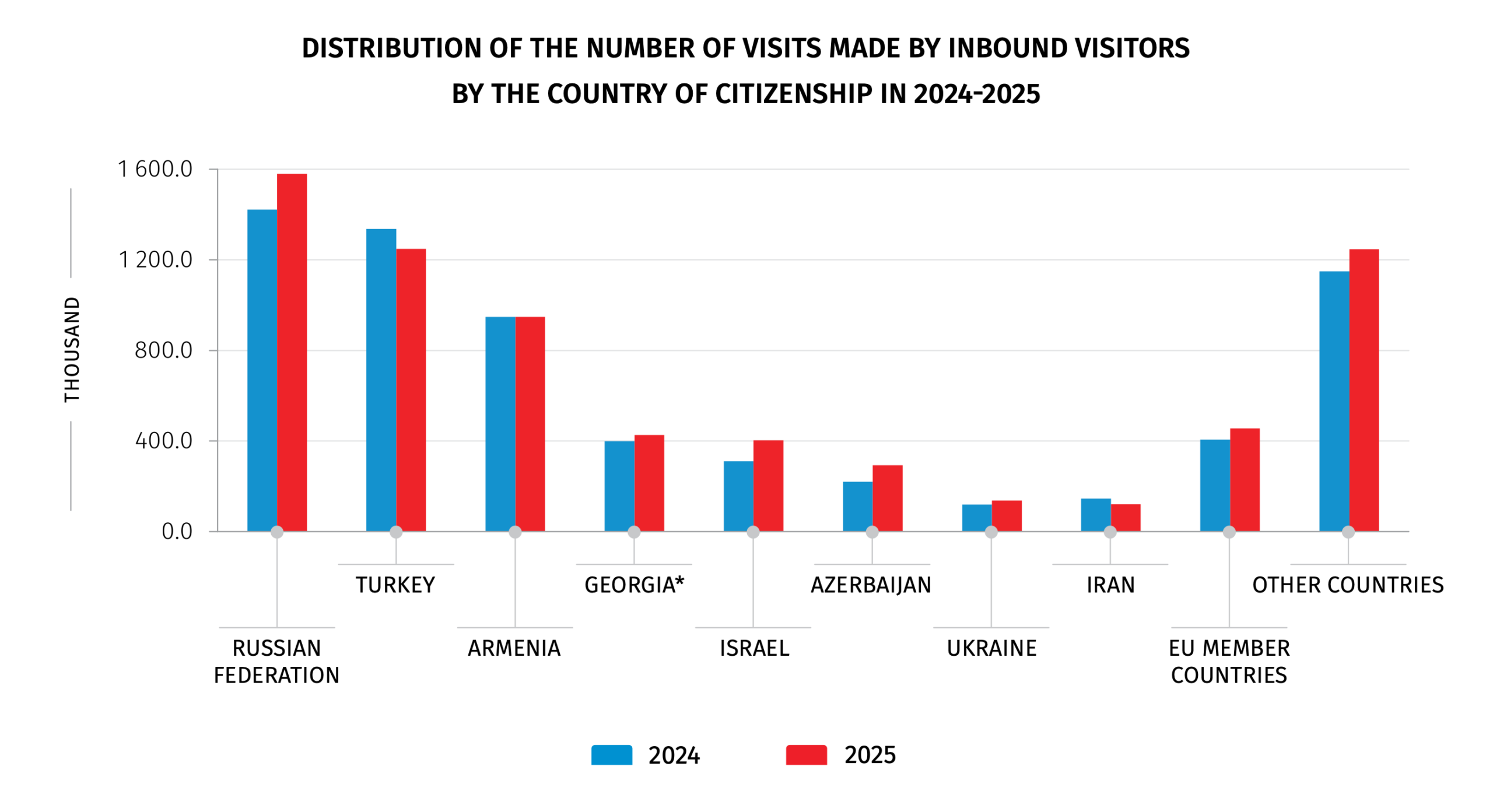
The apparent contradiction reveals an important feature of Georgia’s tourism economy: its ability to attract visitors from multiple geopolitical and economic markets simultaneously. Russia, Türkiye and neighbouring countries remain important sources of demand, while Israel, the Gulf states, China and India are contributing to market diversification.
However, strong visitor numbers should not be mistaken for immunity from political risk. Long-term tourism investment depends on regulatory predictability, international confidence, reliable air connectivity and a stable operating environment. Georgia’s next challenge will be to preserve these foundations while navigating an increasingly fragmented geopolitical landscape.
The government’s infrastructure ambitions demonstrate the scale of its commitment. Plans for a new international airport at Vaziani, near Tbilisi, with a proposed annual capacity of approximately 19 million passengers, represent a potential transformation of the country’s international accessibility. Combined with airport expansion, private hotel investment, improved regional connectivity and the development of destinations beyond Tbilisi and Batumi, these projects could reshape Georgia’s tourism geography.
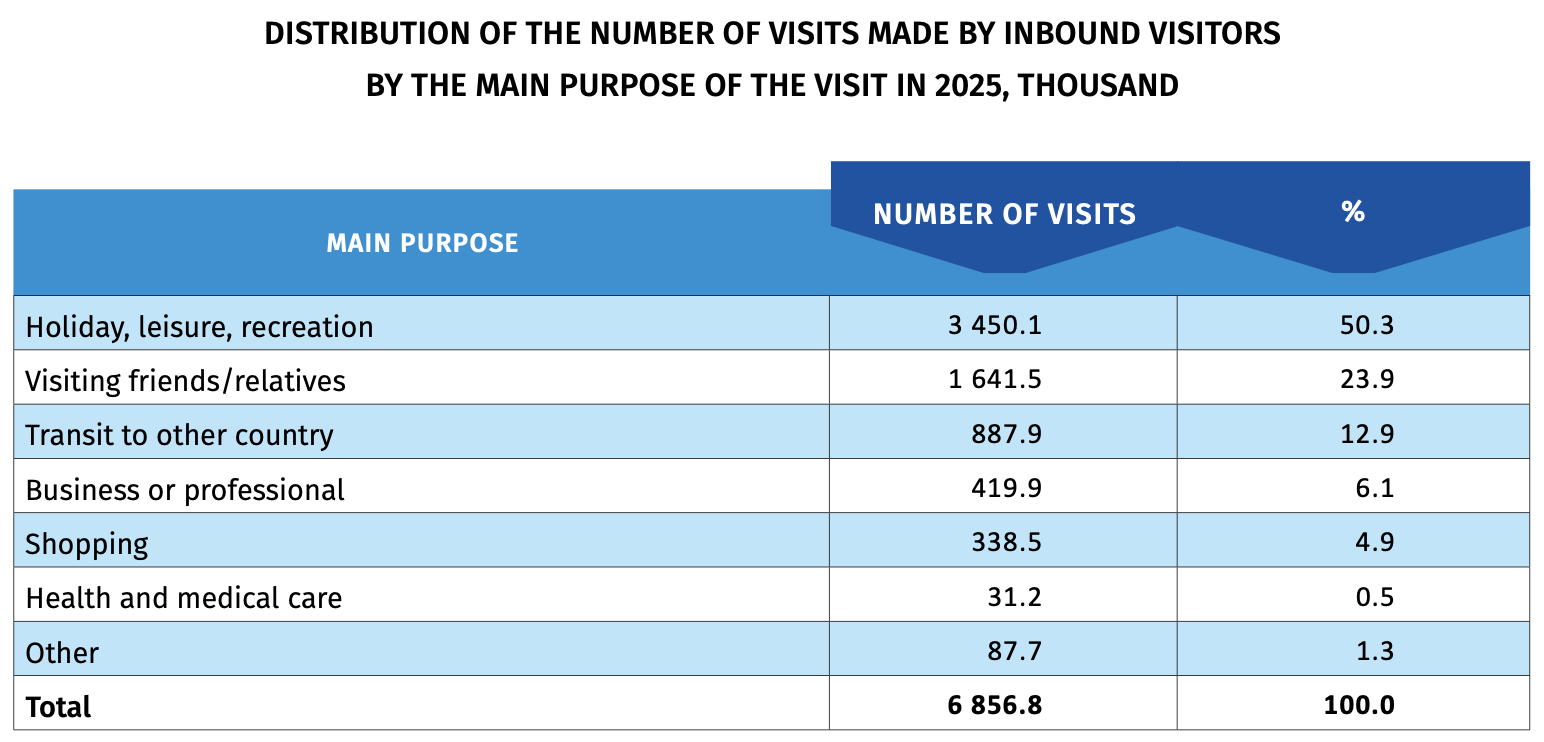
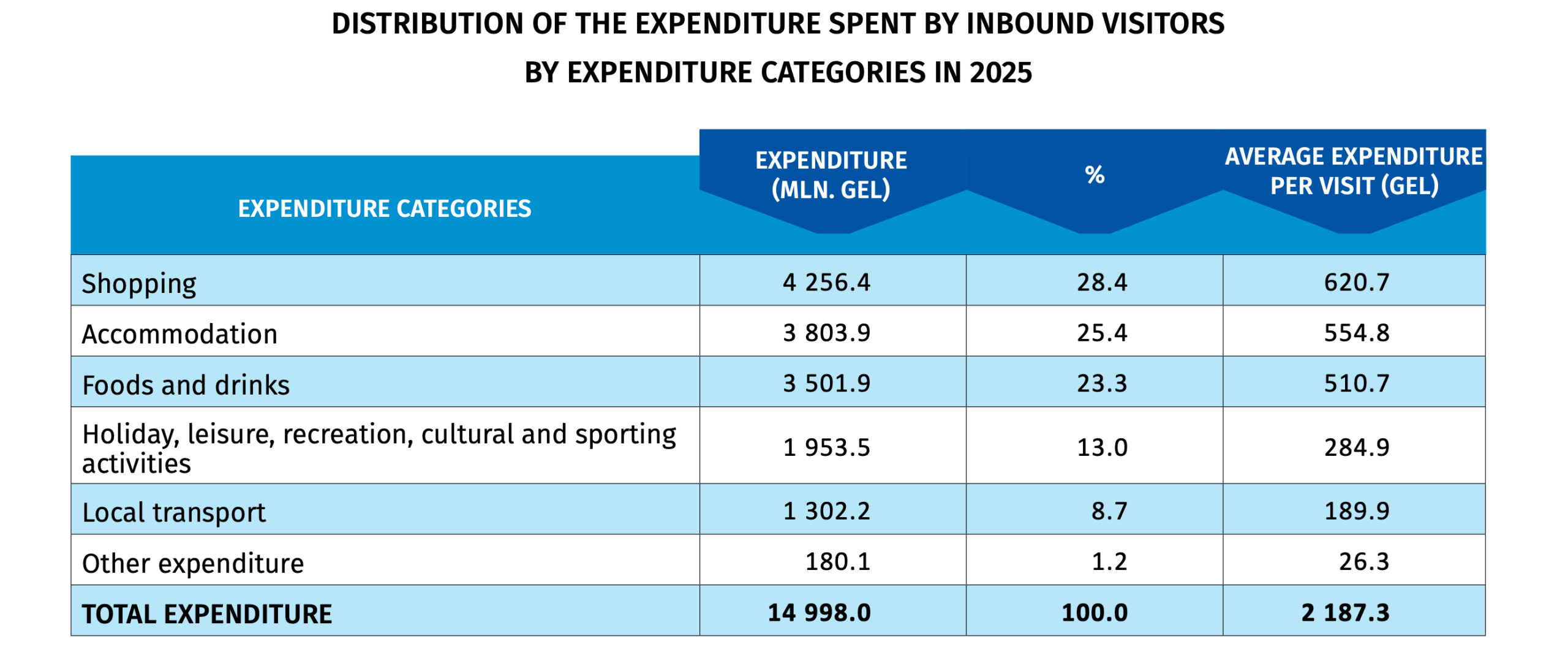
Yet infrastructure alone will not determine the country’s competitiveness. Georgia must also move beyond a tourism model heavily dependent on visitor volume and relatively price-sensitive regional markets. Wine tourism, gastronomy, mountain resorts, wellness, cultural heritage and international business events offer opportunities to increase spending per visitor while distributing economic benefits more widely across the country.
The fundamental strategic question is no longer simply how many tourists Georgia can attract, but how much sustainable economic value each visitor can generate.
Looking towards 2035, Georgia faces several possible development paths rather than a predetermined trajectory. Under a scenario of sustained investment, continued market diversification and moderate annual tourism growth, the country could welcome approximately 8 million international tourist visits and generate close to $8 billion in annual tourism revenues.
A more ambitious scenario, supported by stronger international connectivity, higher-value tourism products and improved investor confidence, could bring visitor numbers towards 10 million and revenues close to $10 billion.
These figures are scenario estimates rather than official forecasts. Their realisation would depend on infrastructure delivery, regional security, international market conditions and Georgia’s ability to manage the environmental pressures associated with rapid tourism expansion. The country’s mountains, coastal destinations and protected landscapes are central to its competitive identity, but their long-term value depends on responsible development, effective destination management and meaningful participation by local communities.
Georgia’s tourism future will ultimately be determined by the relationship between political stability, investment confidence and economic diversification. The achievements of the past five years demonstrate that the country possesses the natural assets, entrepreneurial capacity and international appeal required to compete well beyond its immediate region.
The next decade presents a different challenge: translating this momentum into a tourism economy that is less dependent on individual source markets, more resilient to geopolitical disruption and capable of generating greater value for its citizens.
For policymakers and investors, the distinction matters. Building larger airports and attracting more visitors may expand the industry, but strengthening institutions, protecting natural resources and creating a predictable investment environment will shape the durability of that expansion.
Georgia has already demonstrated that tourism can grow through political uncertainty. The question for 2035 is whether the country can turn that growth into a sustainable foundation for long-term economic development