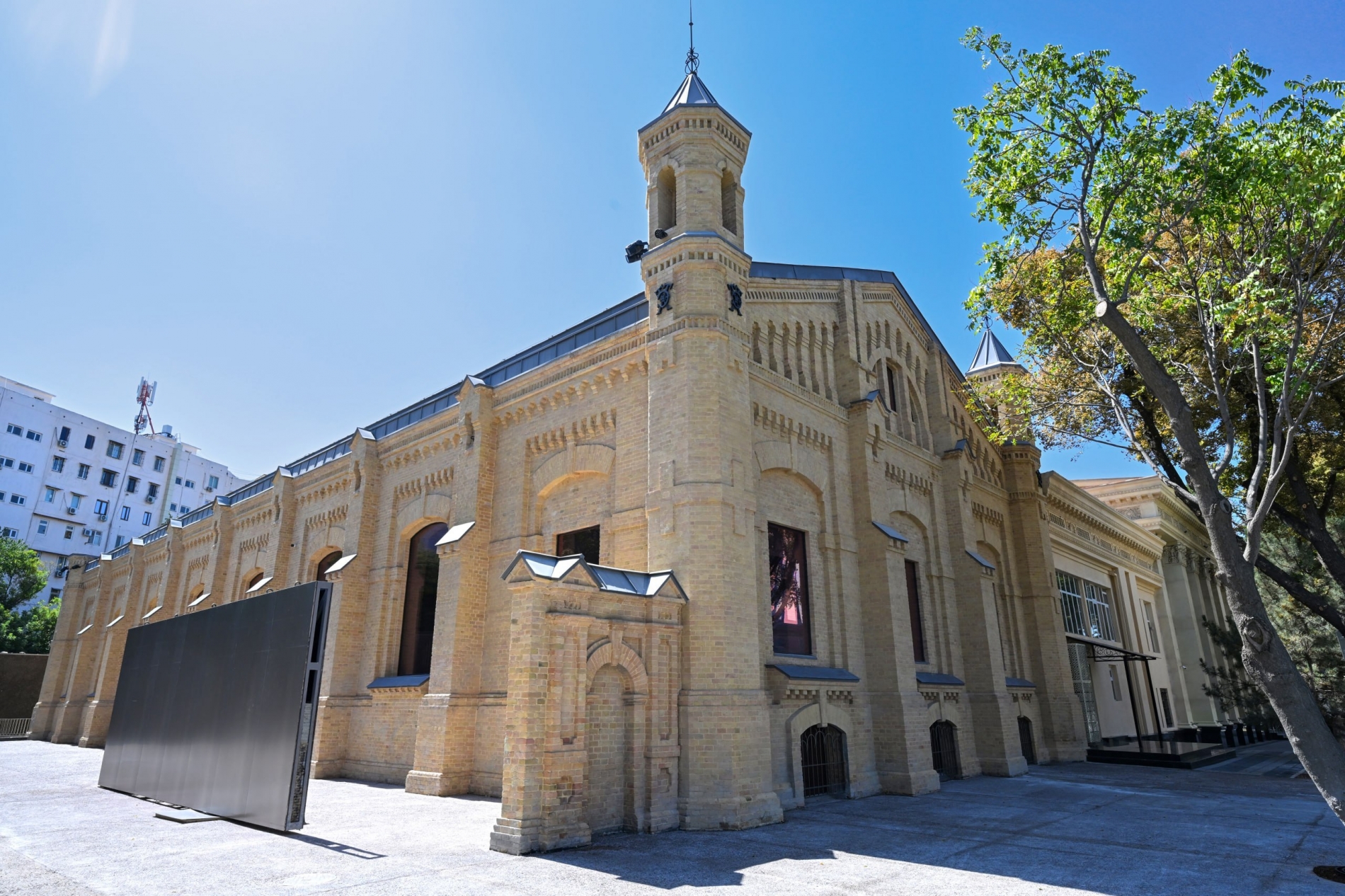



A former tram depot and diesel power station in the heart of Tashkent has been transformed into Uzbekistan’s first permanent centre dedicated to contemporary art, following a renovation by Paris-based architecture firm Studio KO.
The Centre for Contemporary Arts Tashkent (CCA), which opened to the public on 6 September, occupies an industrial complex dating back to 1912. Designed by architect Wilhelm Heinzelmann for the city’s first tramway, the site later became part of Tashkent’s electricity network and remained in use for more than a century before being entrusted to the Uzbekistan Art and Culture Development Foundation (ACDF) in 2019.
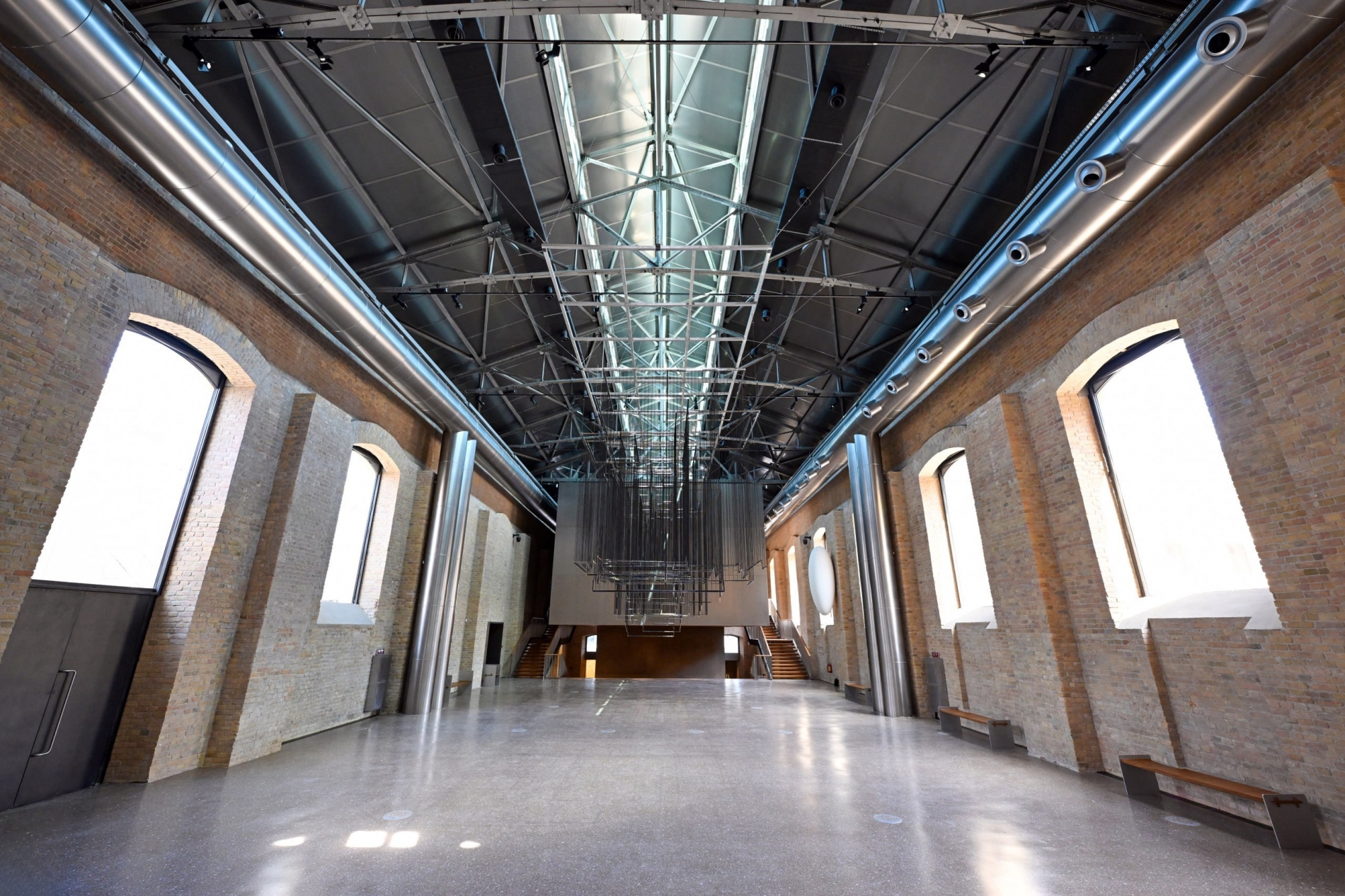
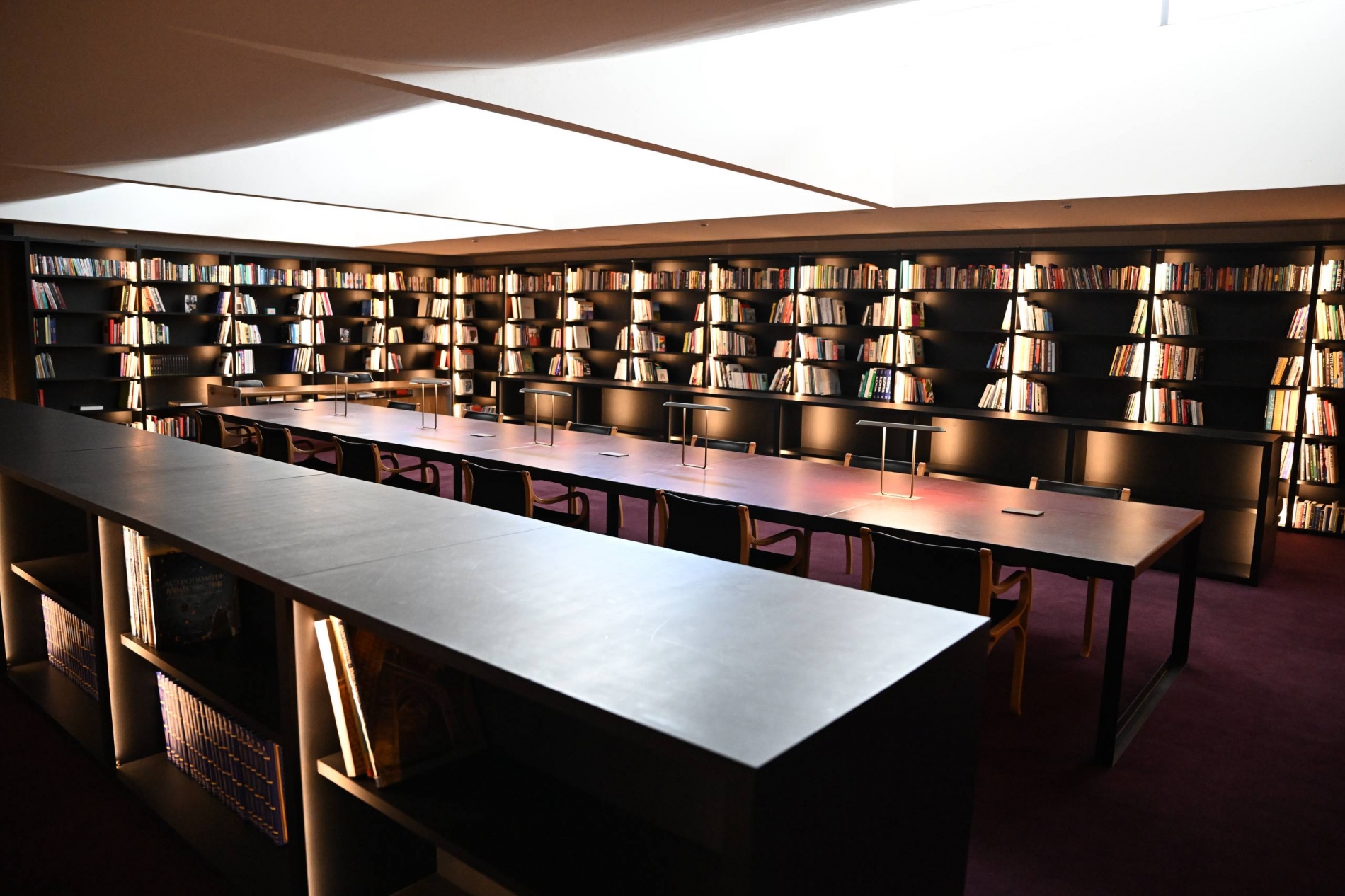
Rather than erase the building’s industrial past, Studio KO, founded by architects Karl Fournier and Olivier Marty, preserved much of its original character. Early 20th-century brickwork has been restored, while the former diesel station now serves as the centre’s main exhibition space. The old administrative building has been converted into a bookshop and specialist research library, and the courtyard has been adapted for gatherings, workshops and outdoor film screenings.
New interventions draw heavily on locally sourced materials and craftsmanship. Studio KO developed a concrete mixture using local materials and commissioned bespoke tiles from the Rakhimov family ceramics studio in Tashkent. The architects said their approach was intended to respect the site’s industrial heritage while incorporating traditional Uzbek materials and light-filtering motifs.
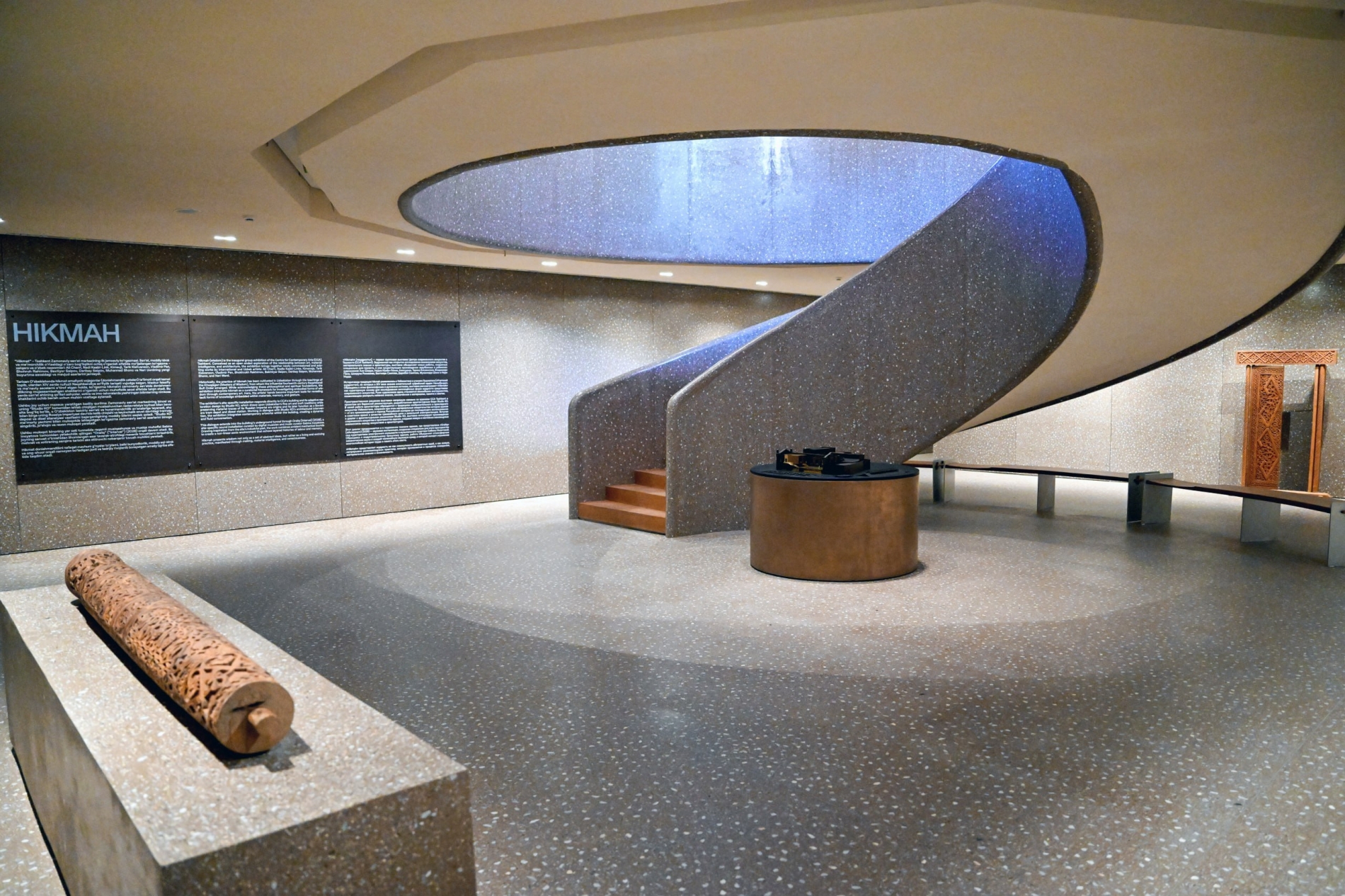
Beyond its galleries, the centre includes educational areas, public meeting spaces, a concept store and restaurant, bringing exhibitions, performance, film, research and education together in one cultural complex.
CCA Tashkent opened with Hikmah, meaning “wisdom”, curated by the centre’s chief curator Dr Sara Raza. The exhibition brings together Uzbek and international artists, featuring themes such as knowledge, spiritual heritage, cultural memory, and the interplay between historical traditions and contemporary artistic practices.
The exhibition will feature 11 works by renowned artists, among the works is Flying Carpets (2011) by Tunisian-Ukrainian artist Nadia Kaabi-Linke, presented in Tashkent from the collection of the Solomon R. Guggenheim Museum in New York. Uzbek ceramicist Shokhrukh Rakhimov, meanwhile, presents The Colour of Silence, In Search of Truth (2026), a site-specific installation of seven ceramic forms using locally sourced minerals and pigments.
“It’s a very nice stage where I can show my work to the world audience,” Rakhimov said, highlighting the opportunities the centre creates for collaboration with artists from other countries.
The opening also drew international cultural figures, including Mariet Westermann, Director and CEO of the Solomon R. Guggenheim Museum and Foundation. “Any serious city for art around the world has both historic art and cultural heritage, but also very much the latest art, the art of our own time,” she said.
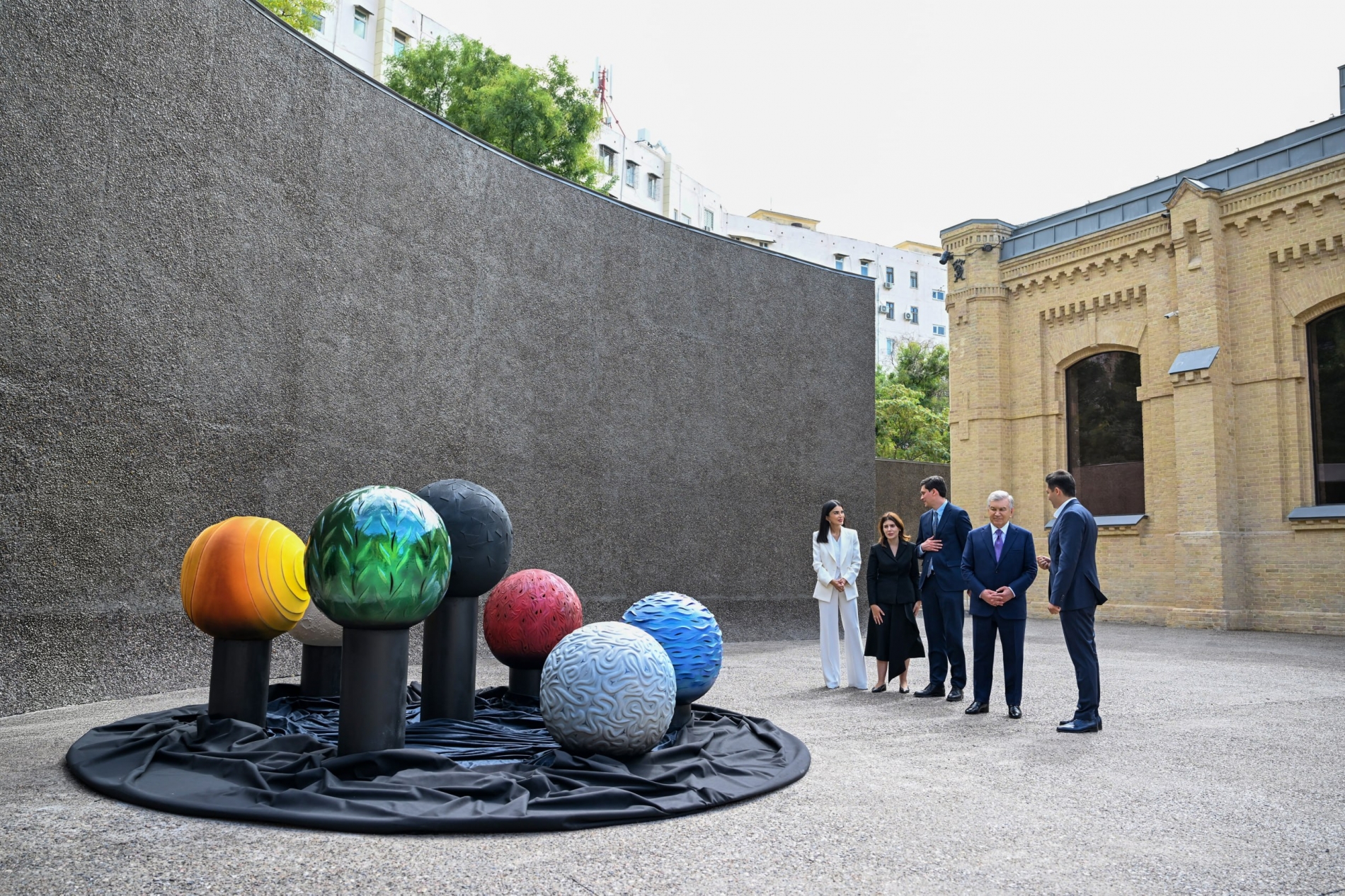
President of Uzbekistan Shavkat Mirziyoyev visited the centre ahead of its public opening, placing the project within the country’s broader efforts to promote contemporary culture alongside its historic heritage. “Of course, it is natural for us to promote our great heritage and cultural treasures,” Mirziyoyev said. “But promoting our contemporary history is also both our responsibility and our duty.”
The CCA is expected to host a year-round programme of exhibitions, residencies, research, film and performance, as well as collaborations with cultural institutions abroad. Its inaugural Hikmah exhibition runs until 31 January 2027.