

Visitors to England face the prospect of new tourist taxes after the government moves to allow mayors across the country to impose levies on overnight stays. The new rules have been criticised as a deterrent to visitors by some travel stakeholders.
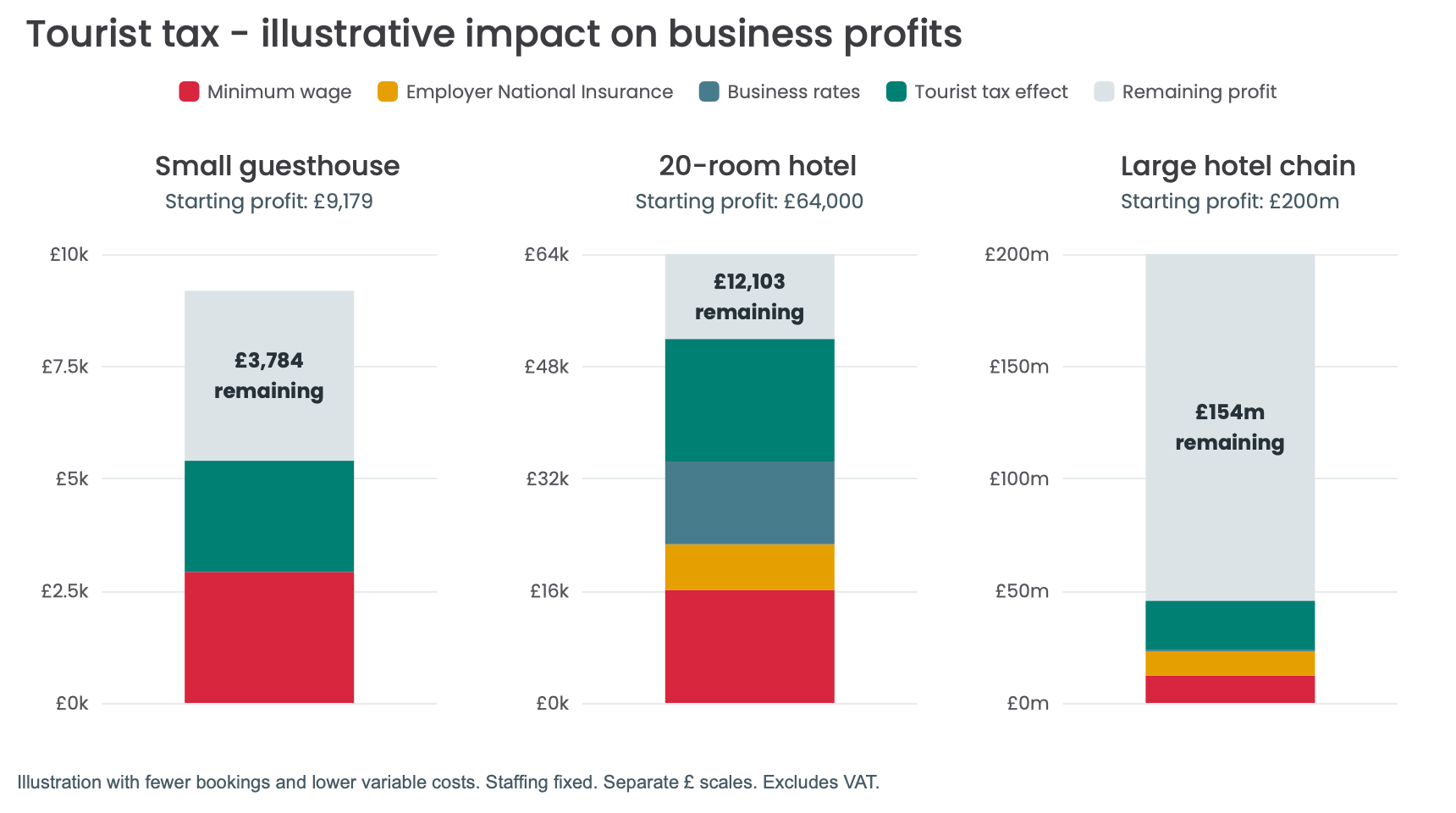
The proposals would allow uncapped overnight fees, with mayors able to set their own tax rate and decide how to spend the money raised. Commentators predict the levy will come in at around five percent or less of the cost of accommodation. Applying to all types of stay, whether in a bed and breakfast, guesthouse, hotel, or short-term let, the tax would also apply to all visitors, regardless of nationality, meaning domestic tourists will pay the price too.
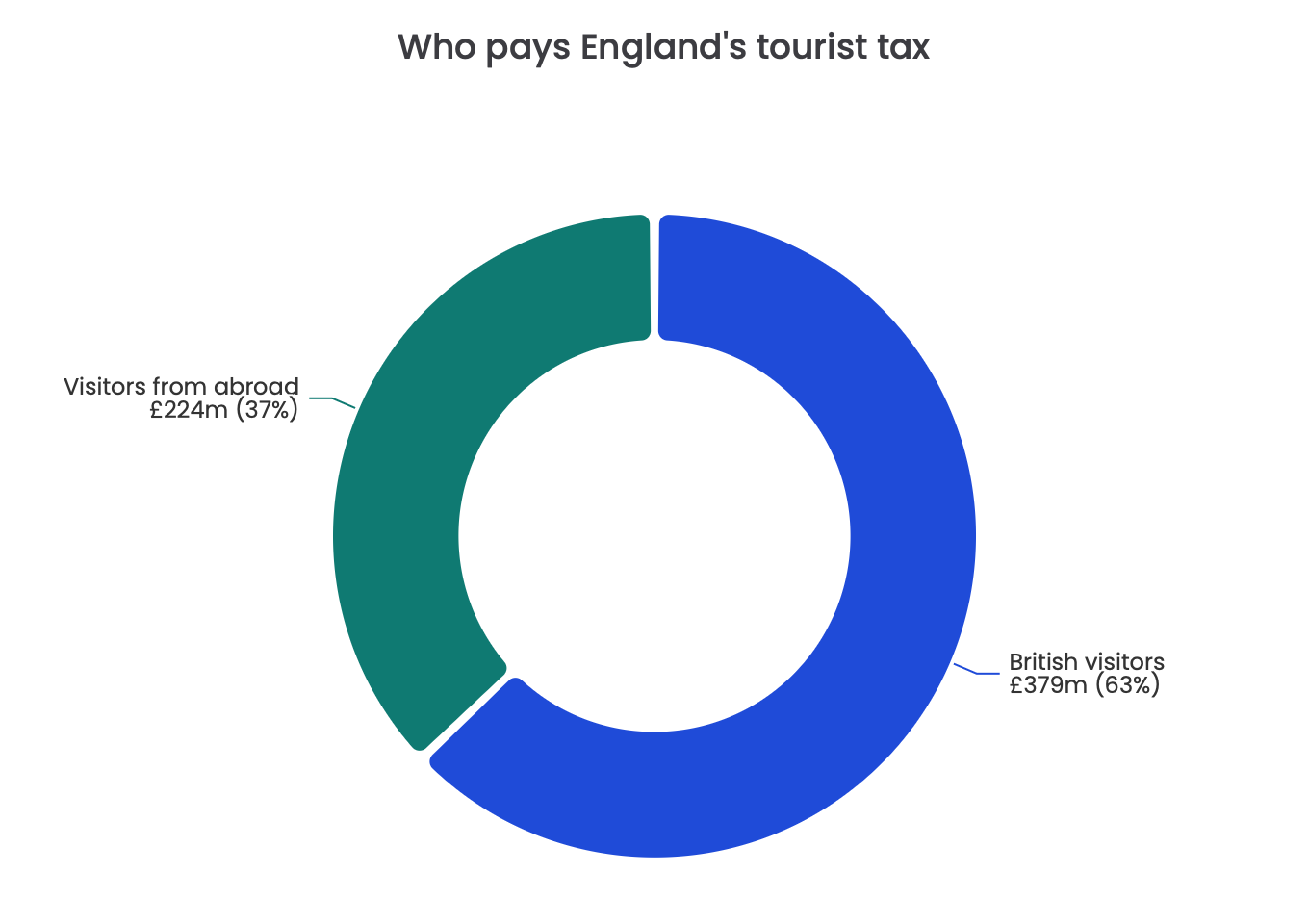
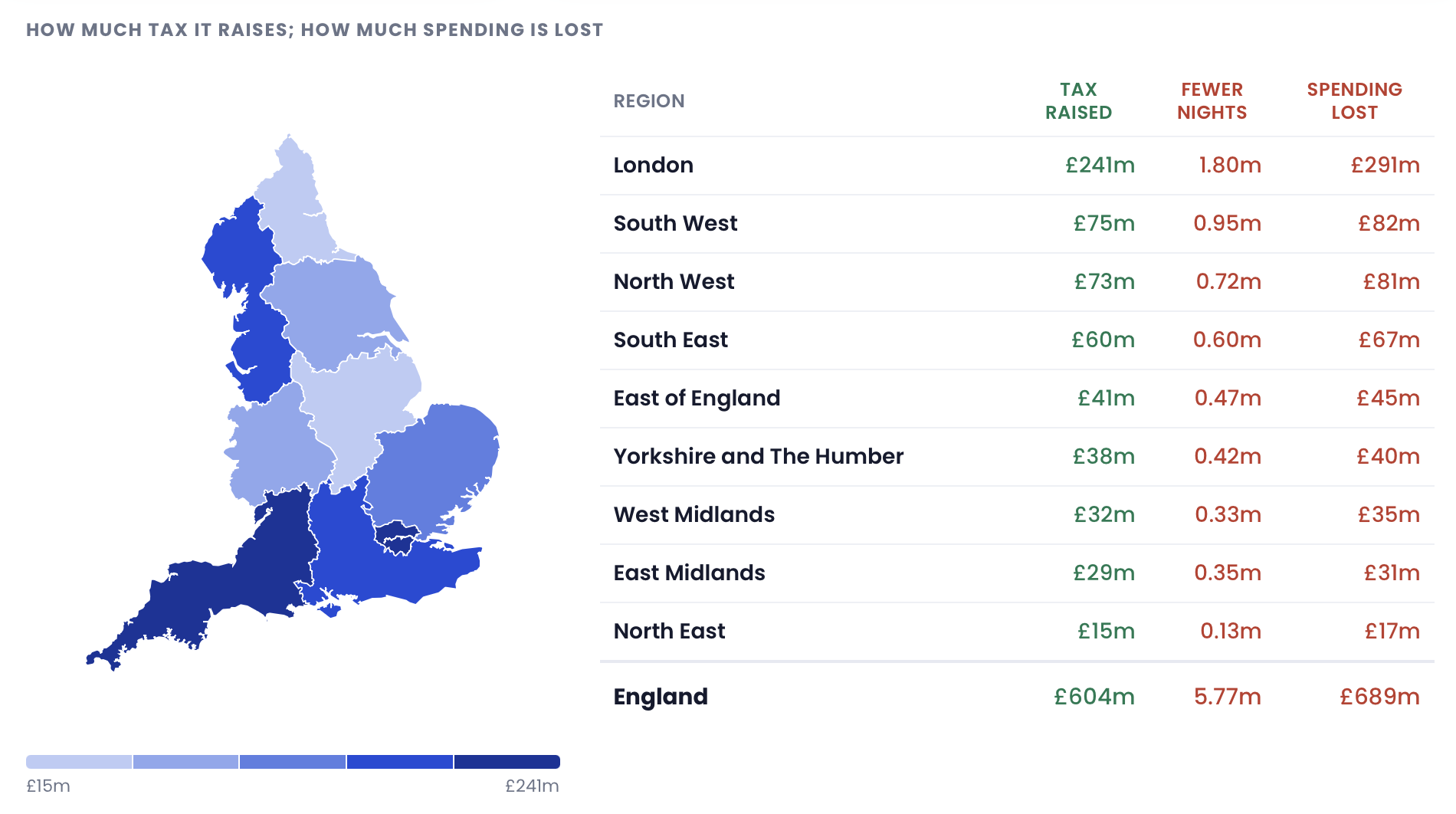
Analysts such as Tax Policy Associates have estimated the tax could raise receipts between £494 million and £977 million (around €577 million and €1.14 billion). But, like trade bodies, they caution that the levy could also result in fewer visitor nights and reduced visitor spending, putting the loss at between £46 million and £1,550 million (between €53.74 million and over €1,810 million).
Critics have echoed those fears that the taxes could act as a disincentive to travel, as per World Travel & Tourism Council (WTTC) findings that 29% of travellers from the UK’s biggest source markets (the US, France, and Germany) would reconsider their visit if asked to pay a €10 visitor tax. For domestic tourists, the deterrent effect is even stronger, with over a third (39%) saying they would look at alternative holiday destinations rather than pay a €10 fee.
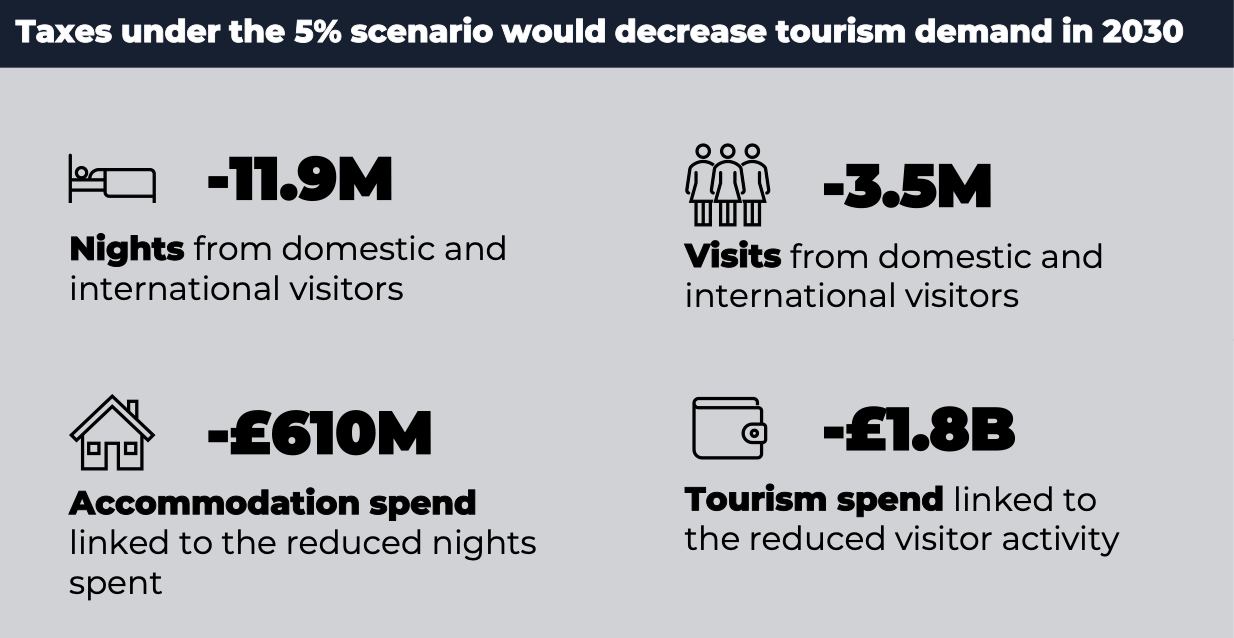
UKHospitality has estimated that a five percent charge would lead to a drop of 11.9 million visitor nights and a loss of £1.8 billion (€2.1 billion) in tourism spending in 2030. It also warns that nearly 33,000 jobs could be in jeopardy.
But supporters of the fiscal change point out that visitor taxes are becoming more common in destinations around the world, such as the Balearic Islands, various Spanish and Italian cities including notoriously, Barcelona and Venice, and Japan, as a way to generate funds and better manage overtourism. In the United Kingdom, Scotland has already empowered local authorities like Edinburgh to charge overnight guest fees, and city officials in Liverpool and Manchester have introduced them likewise.
A lengthy campaign by English authorities for the same powers has ensued. London Mayor Sadiq Khan has hailed the tax as a way to “raise and invest funding locally” allowing destinations to “reinvest in the places, infrastructure, culture and experiences that make London one of the world’s greatest cities to visit, while helping manage the pressures that come with welcoming tens of millions of visitors every year.”
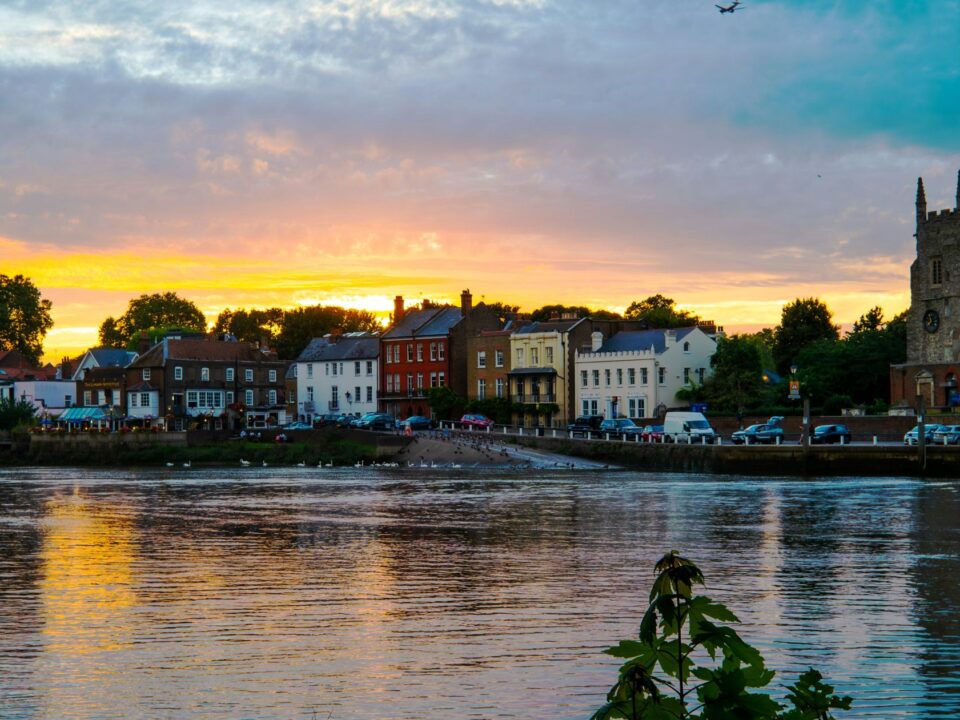
As well as London, popular UK destinations from the West of England, to West Yorkshire and North Yorkshire, the historic city of York, and Northeast England could be affected. As voices continue to be heard on both side of the argument, plans to implement the tax are pushing ahead. It is thought the charges could come into effect from as early as 2029.