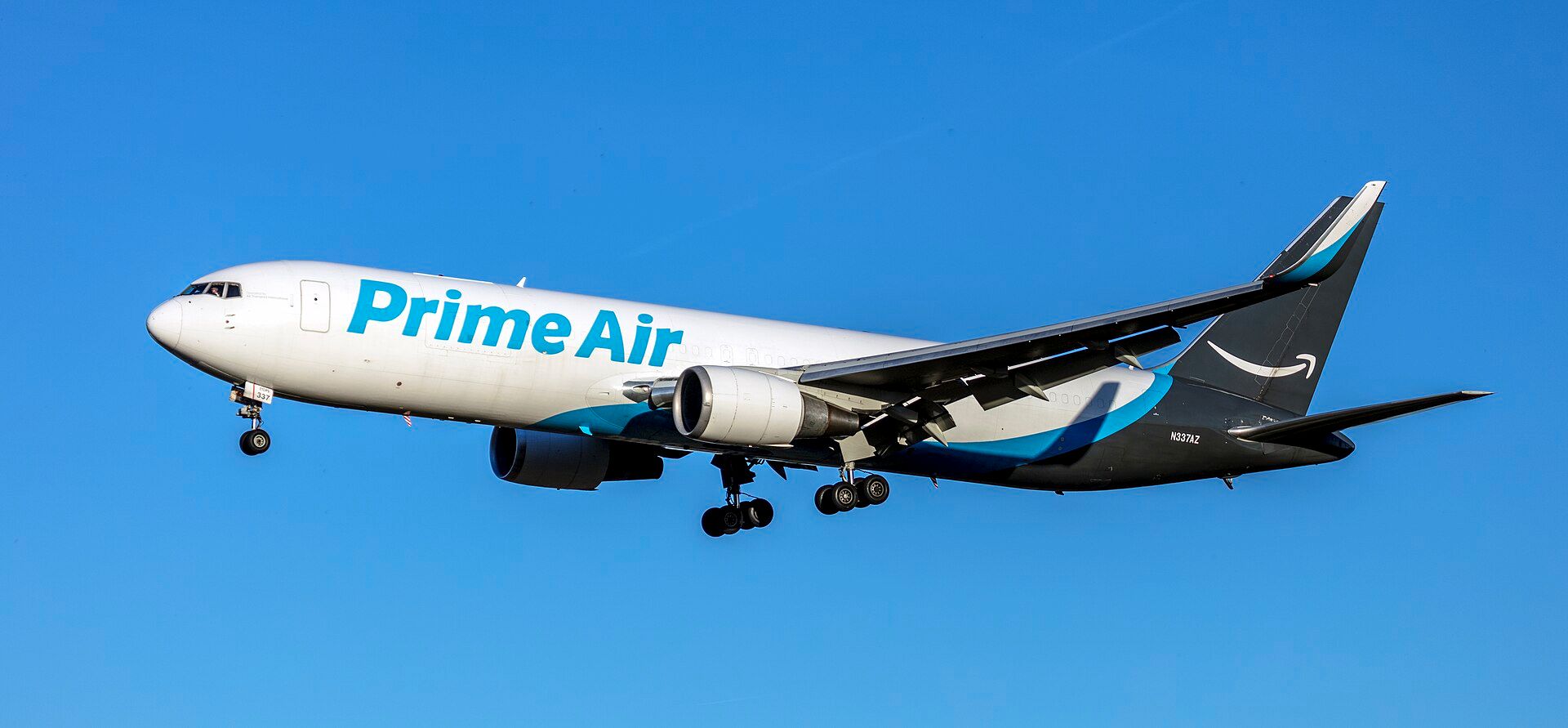



An aircraft crash on Sunday 6 September 2026 at Miami International Airport that killed five people and injured at least five more is being investigated by authorities. Initial reports and footage reveal an arriving Amazon cargo plane that overshot the runway, caught fire, and struck several vehicles, trapping their occupants, as well as the pilots.
Severe delays ensued at the hub as rescues took place. Runways were closed on the United States busy Labor Day weekend, with more than 450 flights and tens of thousands of passengers affected. Though flights resumed on Sunday evening, two runways remained closed on Monday according to the airport, and traffic is still disrupted at the time of writing.
🚨 Update: Deadly Cargo Plane Crash at Miami International Airport
— FL360aero (@fl360aero) September 7, 2026
At least five people have died and five others were injured after an Amazon Prime Air cargo aircraft overran the runway at Miami International Airport on Sunday afternoon, striking multiple vehicles and bursting… pic.twitter.com/6XLpT6mVaP
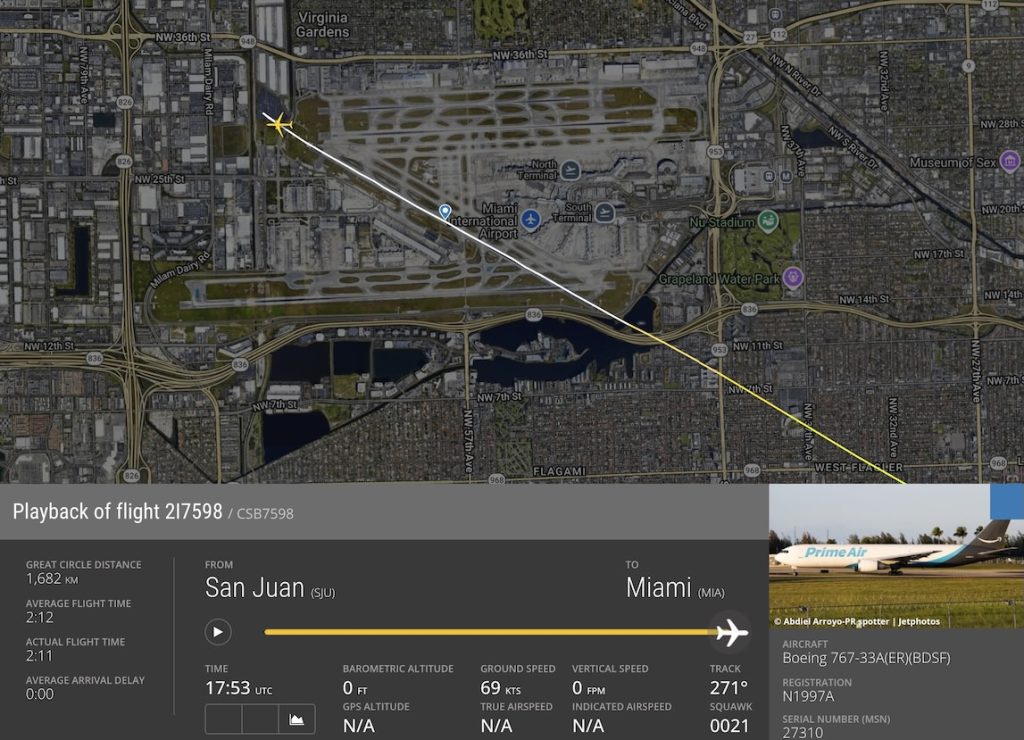
The Amazon Prime plane, a Boeing 767-300 operated by 21 Air, a freight service specialising in flights between Mexico and the US, had departed San Juan, Puerto Rico, and was due to land in Miami at around 2pm. It failed to stop at the end of the 2.7km-long runway, instead continuing at a speed of over 200 km/h, according to Flightradar 24. It ploughed into a car park near an Amazon warehouse.
No emergency mayday call had been declared to air traffic control by the pilots before the crash occurred, and no debris or obstructions were found on the runway during immediate inspections. 21 Air has confirmed it is cooperating with National Transportation Safety Board (NTSB) and Federal Aviation Administration (FAA) investigators. The firm’s CEO Keith Winters said on Sunday: “We are devastated by the accident involving one of our aircraft in Miami today. Our deepest condolences are with the families and loved ones of those who lost their lives.”
Amazon partners with Cybercabs for faster deliveries. Same day just became same lot. pic.twitter.com/nQ2TbEzsav
— Gabriel M (@ggabrielmmm) September 6, 2026
Aviation experts have told press the investigation can be expected to include piloting, the air worthiness of the 32-year-old plane, the airport’s infrastructure, and prevailing weather conditions. Storms and gusty winds were recorded at the time of the crash. One commentator has noted a change in wind direction that might have given the aircraft a sudden tailwind – essentially propelling the plane forward at speed and affecting its deceleration.
Other commentary has focused on Miami International’s lack of so-called EMAS “Arrestor Beds,” a system of crash pads at the end of runways made from engineered material. Only122 EMAS systems are in place at just 70 out of 5,146 public-use airports across the country, an installation rate of 1.36%, according to the FAA.
Miami’s configuration is reportedly in line with current standard spatial specifications, and runways are not curtailed by water or highways, so federal guidelines would not have obliged the operators to install EMAS. But critics have suggested that Miami’s congested location, surrounded by buildings and high-speed public roads, mean the system should have been installed. The investigation into the crash is ongoing.