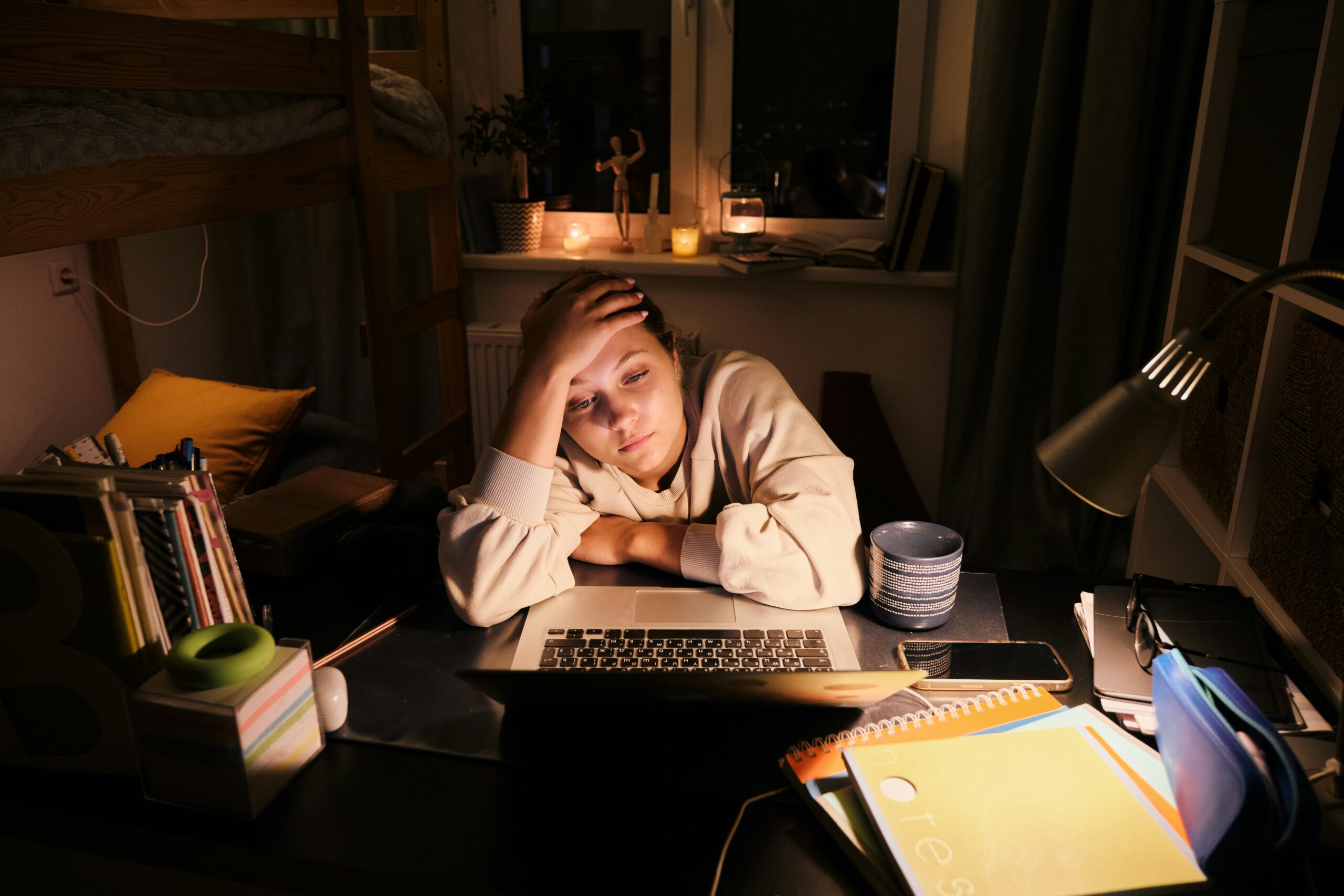



Early school mornings followed by weekend lie-ins could be contributing to anxiety among teenagers, with researchers warning that irregular sleep schedules can leave adolescents experiencing a form of “social jet lag”.
A new study by researchers at the University of Southampton has found a small but consistent association between social jet lag and anxiety among adolescents, raising questions about whether school schedules sufficiently reflect teenagers’ biological sleep needs.
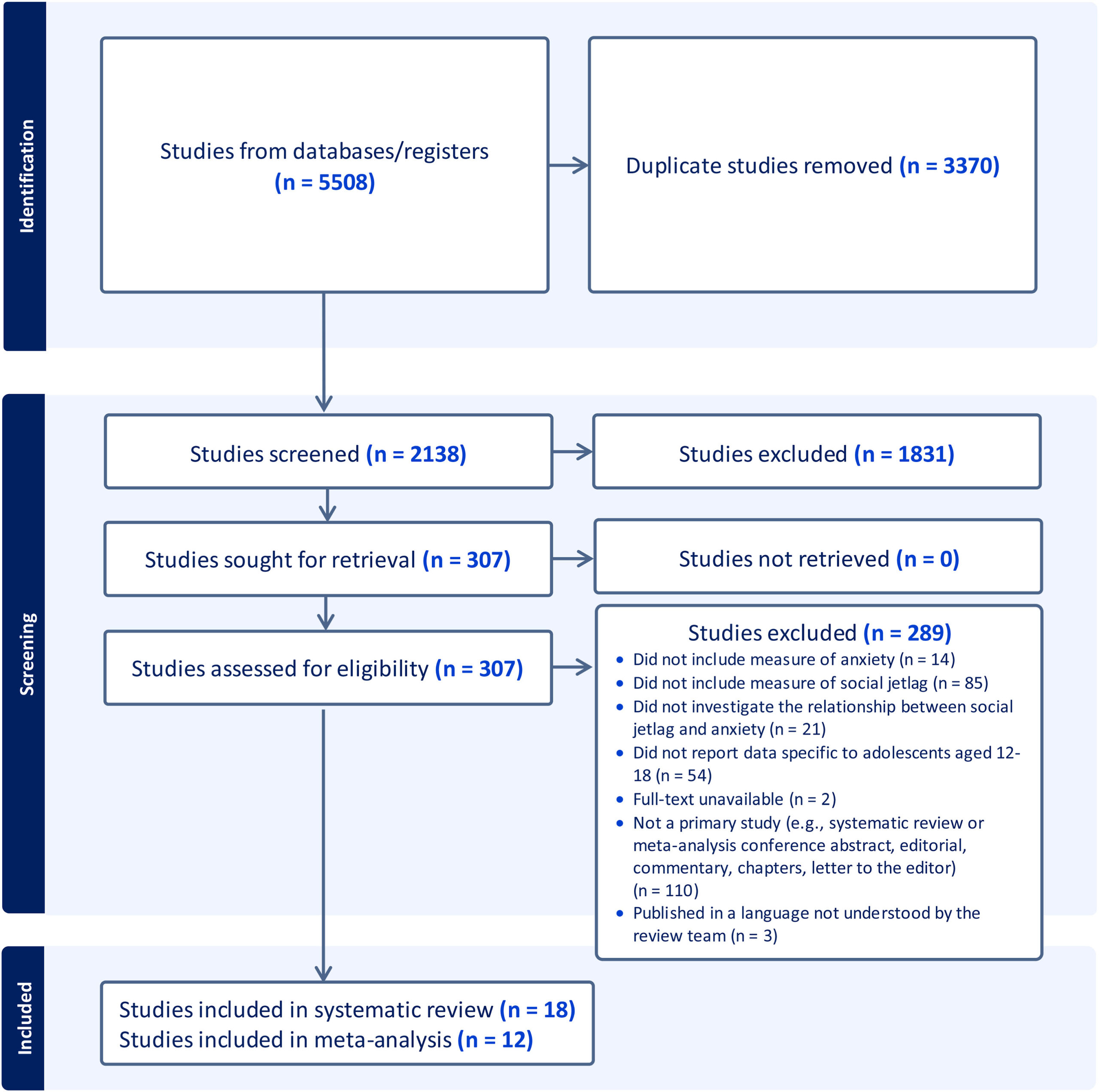
Published in Sleep Medicine Reviews, the research examined the relationship between social jet lag and anxiety among young people aged between 12 and 18. The researchers conducted a systematic review of 18 studies and combined the results of 12 comparable studies involving more than 230,000 participants in a meta-analysis.
The results showed that teenagers experiencing greater social jet lag were more likely to report higher levels of anxiety, and vice versa.
Although the researchers stress that the findings demonstrate an association rather than proving that irregular sleep causes anxiety, the pattern was consistent across the studies analysed.
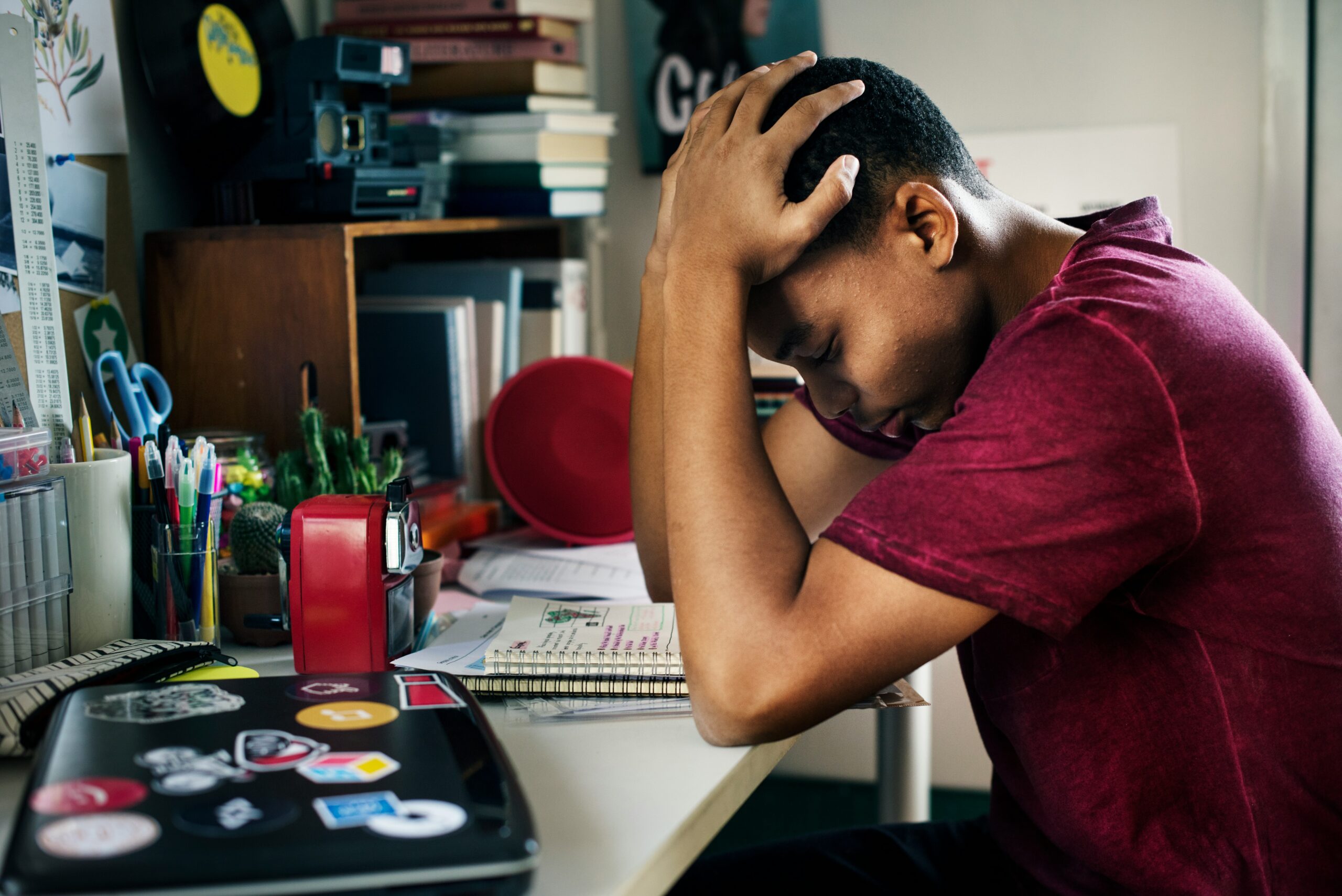
What is ‘social jet lag’?
Social jet lag describes the mismatch between a person’s biological body clock and the schedule imposed by school, work or other social obligations.
For teenagers, this can mean waking up early throughout the school week despite naturally wanting to go to sleep and wake up later, before shifting their schedule at weekends to compensate for lost sleep.
“During puberty, the body’s internal clock usually shifts back by a few hours, meaning teenagers naturally don’t start feeling sleepy until later and would ideally wake up later too,” explained Dr Sarah Chellappa, co-author of the study at the University of Southampton.
At the same time, teenagers face competing demands ranging from early school starts to spending time online in the evening, potentially reducing the amount of sleep they get during the week.
Many consequently sleep longer at weekends in an attempt to catch up. But researchers warn that repeatedly switching between weekday and weekend schedules can further disrupt the body’s internal clock.
The phenomenon is comparable to travelling between time zones, except that instead of boarding a plane, teenagers are effectively moving their sleeping patterns backwards and forwards every week.
Anxiety and sleep may reinforce each other
The findings are particularly significant given the prevalence of anxiety among young people.
According to the World Health Organization, around 4.4% of 10 to 14-year-olds and 5.5% of 15 to 19-year-olds worldwide experience an anxiety disorder.
The Southampton research suggests that sleep patterns could be one of several factors associated with those difficulties. Importantly, however, the relationship may work in both directions: greater social jet lag was associated with higher anxiety, while higher anxiety was also associated with greater social jet lag.
Another meta-analysis published earlier in 2026 similarly found an association between social jet lag and both anxiety and depression among adolescents and young people. However, its authors rated the certainty of the available evidence as very low and called for further high-quality longitudinal research.
Together, the findings add to growing research examining how the timing of sleep, rather than simply the number of hours spent in bed, could affect young people’s wellbeing.
Should schools start later?
The researchers argue that addressing the problem should not be reduced to simply telling teenagers to go to bed earlier.
“The findings highlight the importance of maintaining regular bedtimes and wake times throughout the week, even at weekends,” said Dr Hannah Ravenhall, lead author of the Southampton study.
But individual habits are only part of the equation.
“It’s important to look beyond what individuals can do alone and recognise how broader societal systems can influence sleep,” Ravenhall added.
That includes considering whether secondary schools should start later to better accommodate the biological changes that take place during adolescence.
The combination of teenagers naturally becoming more inclined towards later sleeping hours and institutions requiring them to wake early can create a mismatch between biological and social time.
Researchers therefore suggest that public health guidance should place greater emphasis on regular sleep timing, while schools, families and policymakers could consider structural measures that make healthier sleep patterns easier to maintain.
With the new school year getting underway across Europe, the findings provide another reminder that catching up on sleep at the weekend may not fully compensate for disrupted routines during the week. When it comes to teenagers’ sleep, consistency could matter almost as much as quantity.