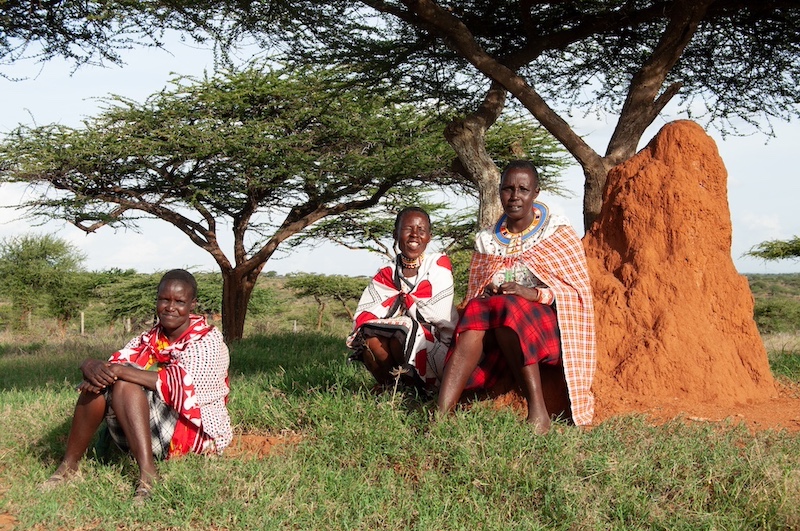


This is the second in a four-part series exploring Naibunga Lower through the lives, experiences and stories of the women who call this part of Northern Kenya home.
My journey through Naibunga Lower Community Conservancy brought me to three women’s groups, one in each of the communities that collectively own and manage the conservancy. The first encounter was in Koija, where the Chui Mamas were already at work when I arrived.
I met them with pangas and hoes in their hands, bent forward at the waist, some weeding the communal farmland with their bare hands.
From a distance, the eyes of some young ladies were on the mzungu, following my steps from the moment I crossed the gate. They were standing untroubled with their babies wrapped around their upper bodies, under the quiet acacia tree, whose branches were holding everybody’s bottles and belongings.
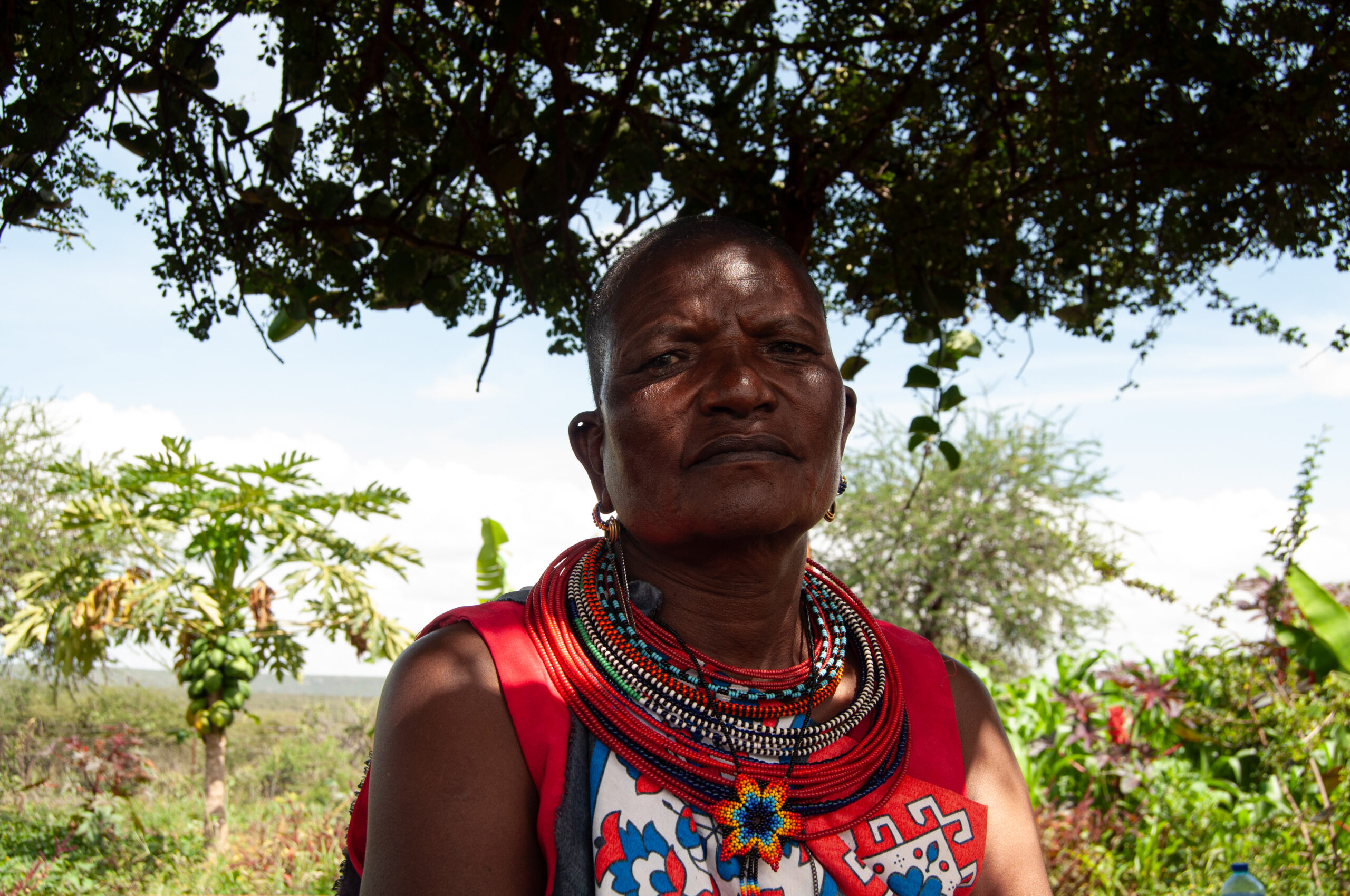
One of the elderly ladies stood up as soon as she heard Stella, the interpreter, calling for their attention. Tiny drops of salty sweat were decorating her face with geometrical perfection. Beauty moulded by decades of sun and rural life in a challenging land.
The permaculture farm is only one of the activities running under the umbrella of the “Chui Mamas” Resource Centre, which brings together approximately twenty women’s groups from across the Koija community, one of the three communities that form Naibunga Lower Conservancy. The women also run a soap-making lab, beadwork production, and a newly opened tailoring workshop, which will soon start providing school uniforms to local schools. Collectively, they manage a beekeeping project comprising 200 beehives, which supply between 10 and 15 kilos of honey per harvest, twice a year.
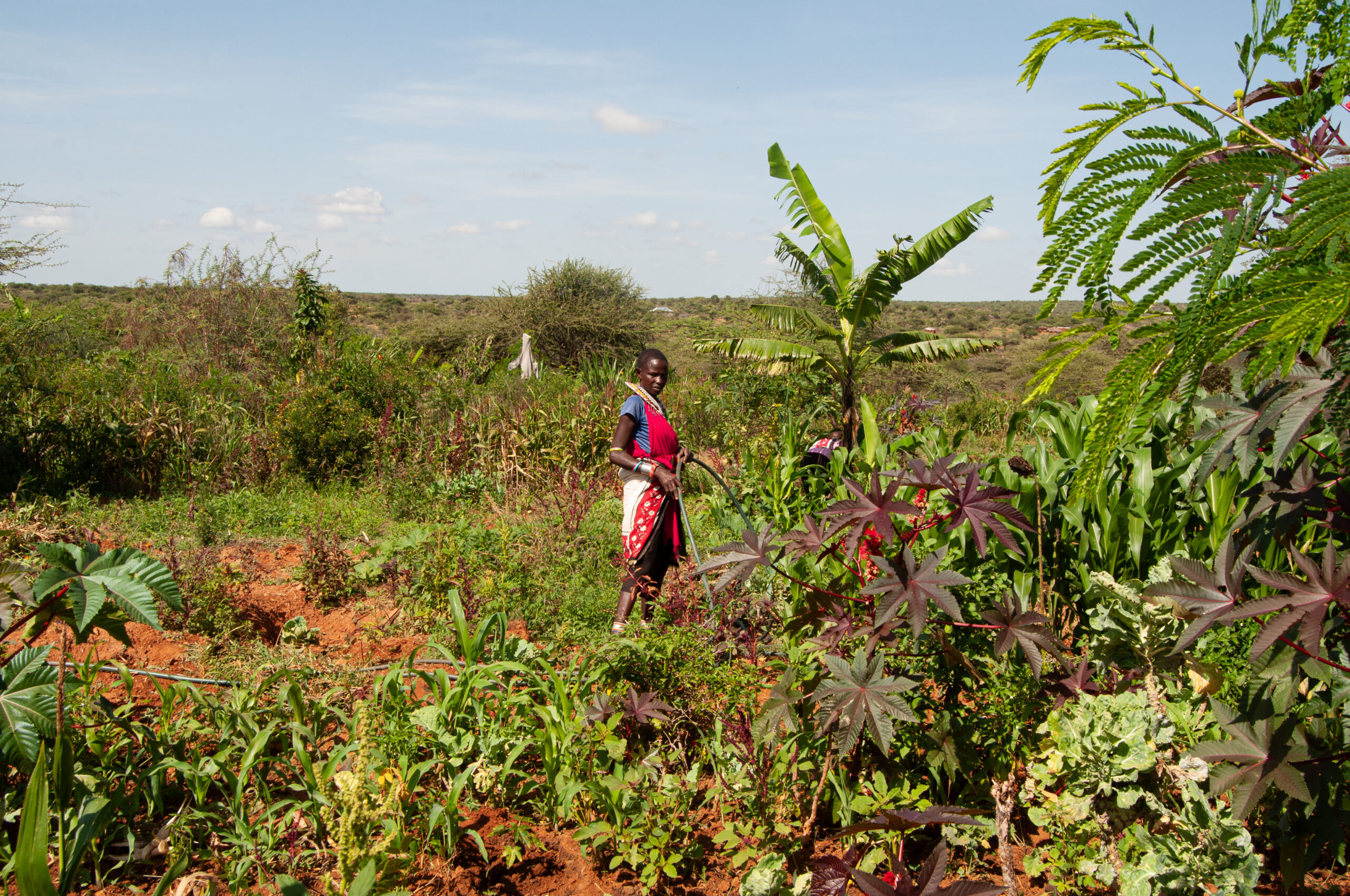
In 2024, with support from partners, including San Diego Zoo Wildlife Alliance (SDWA), Loisaba Conservancy, Powering Africa Recharging Conservation (PARC) and their local conservancy, the women established a system to promote community development through conservation efforts. The core idea was that by creating alternative sources of income and providing environmental education, the women would stop cutting down trees to produce charcoal for sale.
The spinning top was moving on the rough surface of red mud while the women took turns sharing their stories with the interpreter and me. I heard struggles, but also determination and, above all, conviction in the choice they had made.
“So we have joined hands and decided, instead of chopping trees and destroying the ecosystem, we looked for another alternative to living”, says Metian Kididing, one of the ladies.
Wangui Naiputari, chairlady of the Chui Mamas, adds, “We volunteered to cultivate this piece of land with our bare hands, so we could plant food products”. She concludes by saying, “But despite all the challenges we have endured, we have strived to make our projects a success so we can bring change as women”.
I left the farm with my heart full of joy and gratitude for their time and trust, holding tight to the little bag of hibiscus flowers I would use to prepare some refreshing tea back home.
Visitors, though, besides buying some fresh crops and their own bags of tea directly from the women, can also extend their guided tour with a tasting of the organic products while looking at the plants and fruits still hanging from the branches.