
For the last couple of decades, we have been recognising tourism businesses as having a positive impact on nature, and this year we have recognised some great examples. The charismatic megafauna found in national parks and other protected areas, primarily in developing countries, attracts travellers from countries that have hunted out most of these species and where reintroduction initiatives are resisted.
Who benefits from the gazetting of land for protection? Obviously, the wildlife and its habitat and tourists who travel to the national parks and reserves. Others are disadvantaged. The ecotourism slogan, “leave only footprints, take only photographs”, reveals the problem. The gazetting of land to conserve wildlife generally requires the removal and exclusion of those who previously lived in or had access to the reserve area for grazing, fodder, thatching grass, honey, fishing and meat.
People in the buffer zone pay the cost of conservation and suffer raids on their crops by wildlife. The IUCN defines ‘human-wildlife conflict’, the ‘struggles that emerge when the presence or behaviour of wildlife poses an actual or perceived, direct and recurring threat to human interests or needs, leading to disagreements between groups of people and negative impacts on people and/or wildlife’. According to the IUCN, human-wildlife conflict is becoming more frequent, widespread, and serious.
“Every year, hundreds of humans and thousands of animals die due to human-wildlife conflicts. Habitat loss and, in some instances, conservation successes, combined with an ever-increasing human population, have resulted in humans and wild animals living in closer proximity and sharing the same scarce resources. The conservation of animals is an important global good, but the reality is that those living with wildlife usually carry the cost associated with this conservation imperative, including loss of income, essential crops to support their livelihoods, and tragically sometimes also loss of human life.” CITES 2023
This issue is rarely addressed. The managers of protected land generally seek to maximise tourism revenues, although there are exceptions, while local communities in the buffer zones see the tourists as they pass through. We shall be exploring the challenge of enabling local communities to benefit from nature-based tourism at WTM Africa in April, the second of three panels discussing the Wildlife Economy in Africa, the White Paper discussed last year along with a report of the panel discussion can be found online. In the 2027 Responsible Tourism Awards, we are looking for tourism businesses, conservation organisations which are making a real contribution to the livelihoods of local communities in and around wildlife and nature destinations.
In too many buffer zones around, protected areas globally not only do the communities bear the cost of living with often dangerous wildlife they also never see what the tourists come to see. Since Responsible Travel launched Trip for a Trip nine years ago they have funded 9,000 trips providing enriching experiences for children in countries from Laos to Pakistan, India, Uganda, Zimbabwe, the UK and beyond.
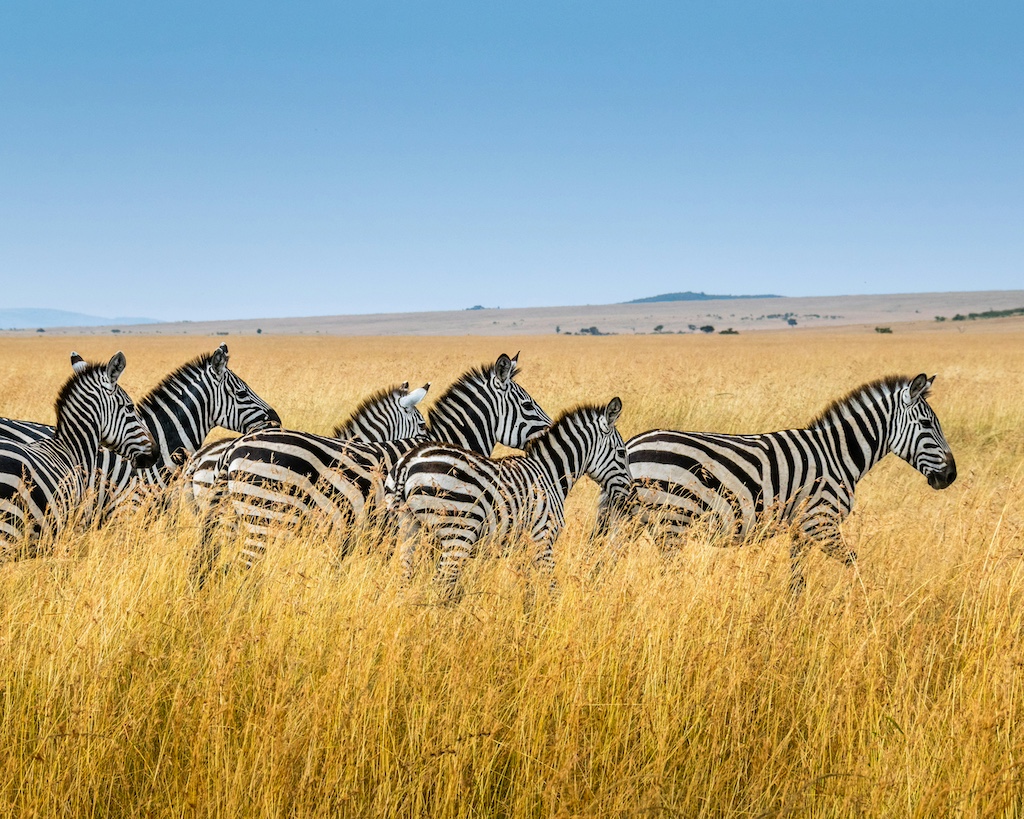
Their first Trip for a Trip was in Eswatini, where children from the local Neighbourhood Care Points (NCPs) visited Mlilwane Wildlife Sanctuary to see zebras, crocodiles and hippos for the first time. Responsible Travel believes that “travel can open up horizons, broaden perspectives and ultimately be an unforgettably enjoyable experience. We believe in one for one – for every trip you go on, a child also benefits from a day trip.” More than three quarters of their travellers choose it as their booking
This is not just an issue in Africa. As Tim points out, Brighton draws in around 12 million tourists a year, but not all children living there get to experience its attractions, its coastline, the pebble beach or the rolling South Downs. You don’t have to travel with Responsible Travel to fund a Trip for a Trip.
This is a great way of enabling your clients to do good. Think about it.