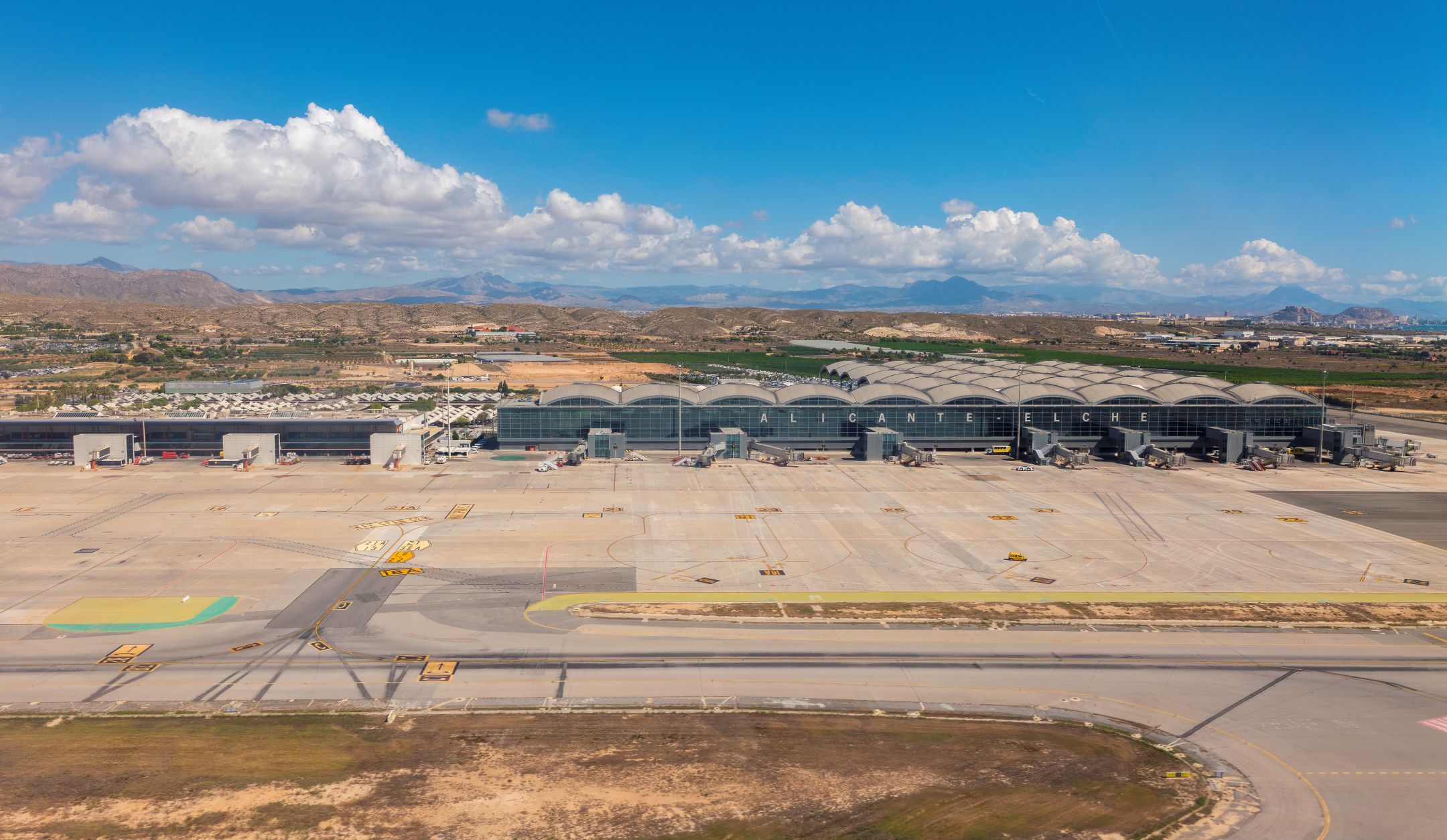



Alicante-Elche Miguel Hernández Airport is preparing for the largest upgrade in its history, with a €1.154 billion investment programme designed to expand capacity, improve passenger processing and strengthen the airport’s role as a key gateway to the Costa Blanca.
The project is scheduled to begin under Spain’s DORA III airport investment cycle, covering the period from 2027 to 2031. During that phase, €453 million is expected to be spent at Alicante-Elche, with the wider programme allocating €1.154 billion to the airport’s long-term development.
A central feature of the plan is new infrastructure for non-Schengen traffic, including facilities intended to support centralised border checks under the European Union’s Entry-Exit System (EES). The biometric system records the movements of non-EU travellers entering and leaving the Schengen area, adding new processing requirements that have caused delays and disruption at some busy European airports during the introduction phase.
For the travel sector, the investment is particularly significant because Alicante-Elche is a major arrival point for holidaymakers heading to Alicante, Benidorm, Torrevieja and other Costa Blanca destinations. British travellers, who are subject to the EES since they became third-country nationals after Brexit, remain one of the airport’s most important visitor markets, making border capacity and arrival times a closely watched issue for airlines, tour operators and tourism businesses.
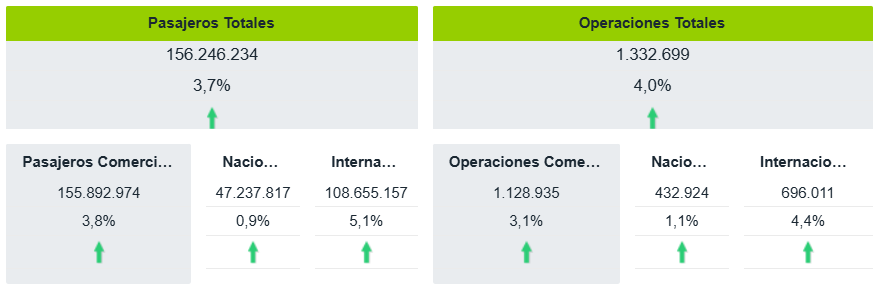
Passenger numbers underline the pressure on the airport. Alicante-Elche handled more than 1.6 million travellers in March 2026, including 536,966 passengers from the United Kingdom. Wider reporting on the airport’s growth also points to annual traffic approaching or exceeding 20 million passengers, reinforcing the need for more space and smoother flows through the terminal.

The expansion is expected to add more aircraft boarding gates, allowing additional passengers to board and disembark through walkways. Plans also include new retail space, an upgraded VIP lounge, expanded parking facilities and broader improvements to passenger circulation.
The works come as airlines and airports across Europe continue to adapt to the operational impact of EES. Ryanair recently listed Alicante among several airports it considered underprepared for peak-season passenger volumes, citing concerns around staffing, kiosks and system readiness.
Spanish airport operator Aena has linked the investment to DORA III, the regulatory framework that sets out airport supervision and funding priorities. The proposal remains subject to formal approval by Spain’s Council of Ministers, with a decision expected by 30 September.
If approved, the project will mark a major step in Alicante-Elche’s long-term transformation from a seasonal leisure airport into a higher-capacity Mediterranean hub serving tourism, visiting friends and relatives traffic, second-home owners and business travel.
For destinations across the Costa Blanca, the upgrade could help protect future growth by reducing bottlenecks at one of Spain’s busiest tourist gateways. More efficient arrivals and departures would be especially important during summer peaks, when border checks, baggage areas and road access are under the greatest strain.
Further details on phasing, construction timelines and passenger disruption measures are expected once the DORA III proposal completes the approval process.