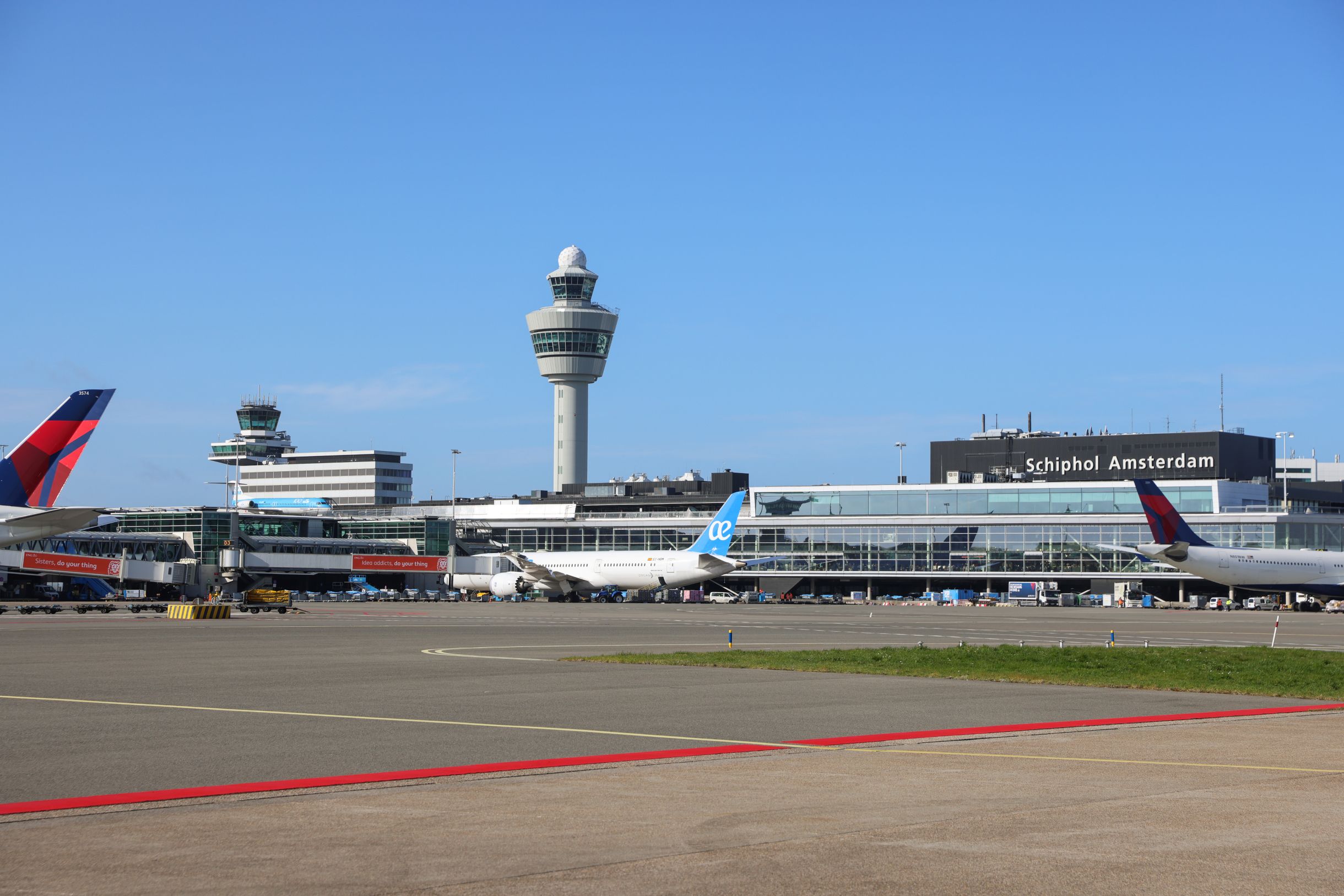



Amsterdam Airport Schiphol is bringing the provision of assistance to passengers with reduced mobility in-house, in a bid to gain “more control over continuity, quality and further developments,” a press release from the hub says.
The service, to around 750,000 passengers per year, is currently provided by approximately 1,000 Axxicom Airport Caddy employees under a contract with the branch of Facilicom Groepin place since 2003 and set to continue until early 2028.
Reduced mobility assistance is described in a statement by Royal Schiphol Group’s Chief Operating Officer Patricia Vitalis, as “a vital and growing service” and “important work that affects large numbers of Amsterdam Airport Schiphol’s passengers.” The press release praises Axxicom for its “impressive care, skill and dedication for over twenty years.”
After forecasts of “significant further growth in the numbers of passengers requiring such assistance in the coming years,” Vitalis said the hub has “decided to take on this responsibility … taking over the organisation and making it part of our daily practice.”
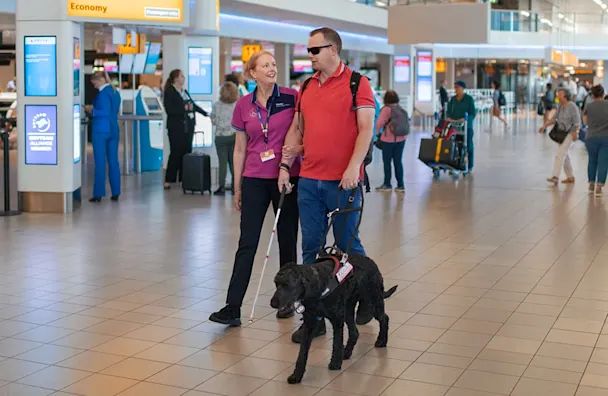
Promising to work with Schiphol to ensure a “careful transition focused on continuity: for passengers, for the services provided and last but not least, for our workers,”Vincent Kas, Managing Director at Axxicom Airport Caddy, said its staff’s services were valuable because of their “knowledge of the work, but above all, patience and an ability to put people at ease.”
The “timing, fulfilment and handover” arrangements are still to be confirmed, with continuity of service a high priority and regular updates planned, the press release said, but employment protection agreements are already in place between Schiphol and Facilicom Groep, meaning “all Axxicom Airport Caddy workers are assured of a job,” the statement said.
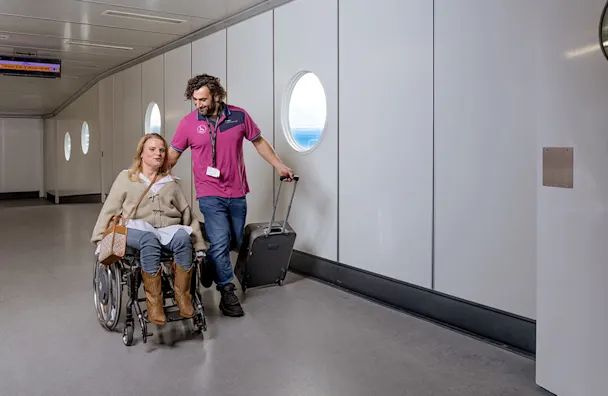
Both Schiphol and Facilicom Groep said they will be consulting closely with unions, one of which, Dutch FNV, was an organisation that previously had actively campaigned for internal contracting of the mobility assistance service to bring an end to third-party contracting for core roles and ensure standardized working conditions.
The move comes amid demographic data showing an ageing European population and changing travel behaviours—factors that mean the number of passengers with additional mobility requirements is increasing over time. The shift to internal provision and control typically reduces disruptions linked to vendor procurement cycles and external corporate issues and is likely to make it easier for Schiphol to trial and roll out innovations, such as the WHILL Autonomous Mobility Service self-driving wheelchairs currently being piloted at the hub.