


Since 2023, Swiss start-up Sun-Ways has been experimenting with the idea of transforming railways into solar farms. After a successful trial period, the company is now looking to expand and Italy might be next.
In an attempt to combat climate change and to reach net-zero in the near future, the world has been looking at renewable energy sources. Wind, water, and sun are some of the main options, with solar energy without a doubt being the most accessible to most.
Generally speaking, solar panels tend to be placed on rooftops. Not only is this a way to use otherwise lost space but is also allows the panels to be put at an angle, which is beneficial for the energy production. Depending on the location, the ideal orientation and angle might differ from anywhere between 15 and 45 degrees.
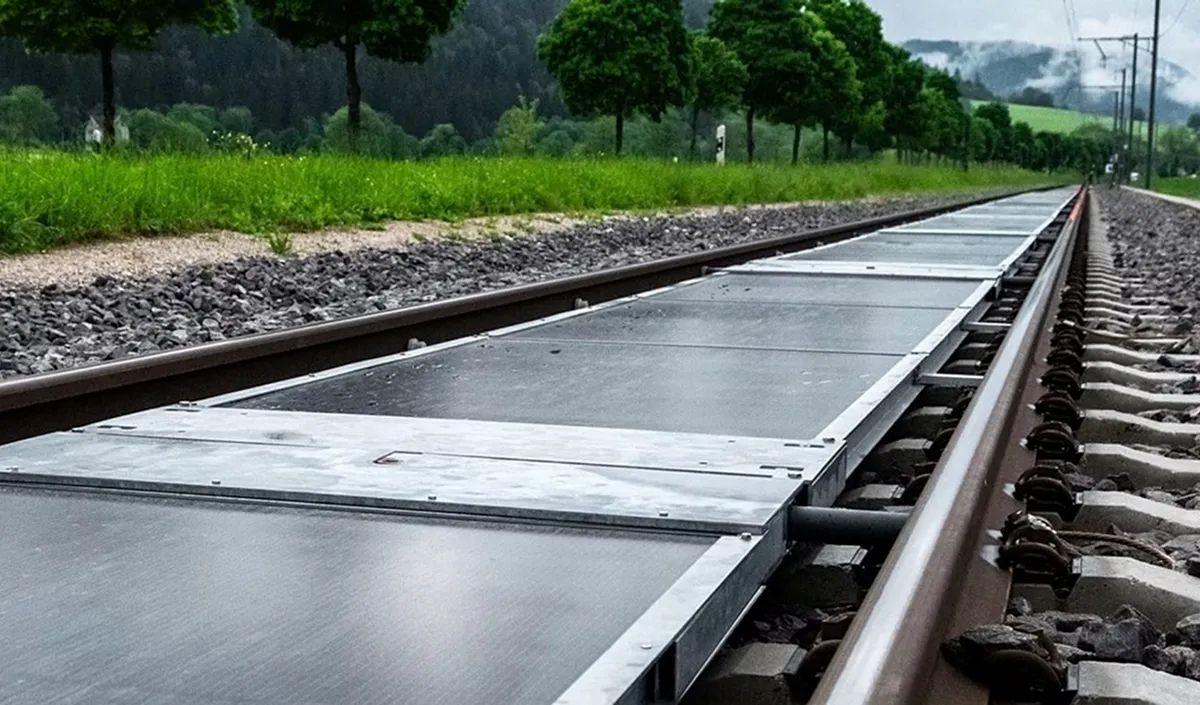
A Swiss start-up, however, has been trying to change things up. Since 2023, Sun-Ways has been exploring the concept of equipping railways with solar panels in yet another attempt to maximise the space available to energy production. From the start, their goal has been ambitious.
“There are over a million kilometres of railway lines in the world. We believe that 50 per cent of the world’s railways could be equipped with our system,” Sun-Ways co-founder Baptiste Danichert said speaking to broadcaster SWI Swissinfo in 2023.
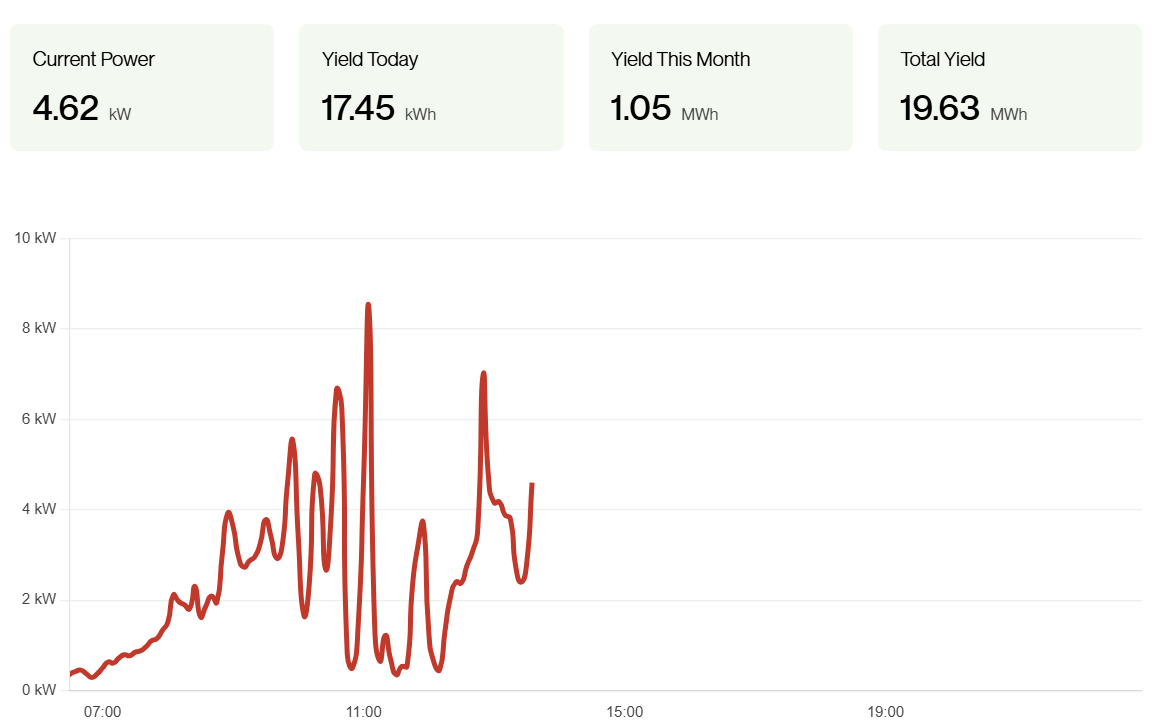
The project has been on the tracks since 2023 and after a regulatory period, an open train line pilot project was launched in 2025 in the village of Bütt in the canton of Neuchâtel. 48 solar panels were laid out over 100 meters of railway tracks, with a total capacity of 18 kWp. According to the company, although the lack of inclination led to a capacity loss of 10%, 16,000 kWh were produced over the span of a year – or approximately the annual energy consumption of an all-electric British household.
The project was initially designed as a three-year experiment but early results are positive. Contrary to concerns previously expressed by the International Union of Railways, the panels were sturdy enough not to crack, an anti-reflection coating proved efficient against blinding reflections for train drivers, and brushes attached to the rear of the trains were able to keep the panels clean. meanwhile, built-in sensors monitored the state of the installation, which worked perfectly according to Sun-Ways.
“For this first pilot project, the electricity is sent directly to the grid. But we are already working to reinject the electricity produced with Sun-Ways power plants directly into the railway substations or into the train traction line,” the company told EuroNews.
Given the positive results, Sun-Ways is looking to expand its installation in Switzerland, which could eventually produce one Terawatt hour (TWh) of electricity every year.
The company also signed a contract with an Italian business partner, with the goal to collaborate with Italy’s national railway infrastructure, Rete Ferroviaria Italiana. An Italian pilot plan is expected to be launched over the coming months, while government approval has been obtained to install a solar railway in South Korea.