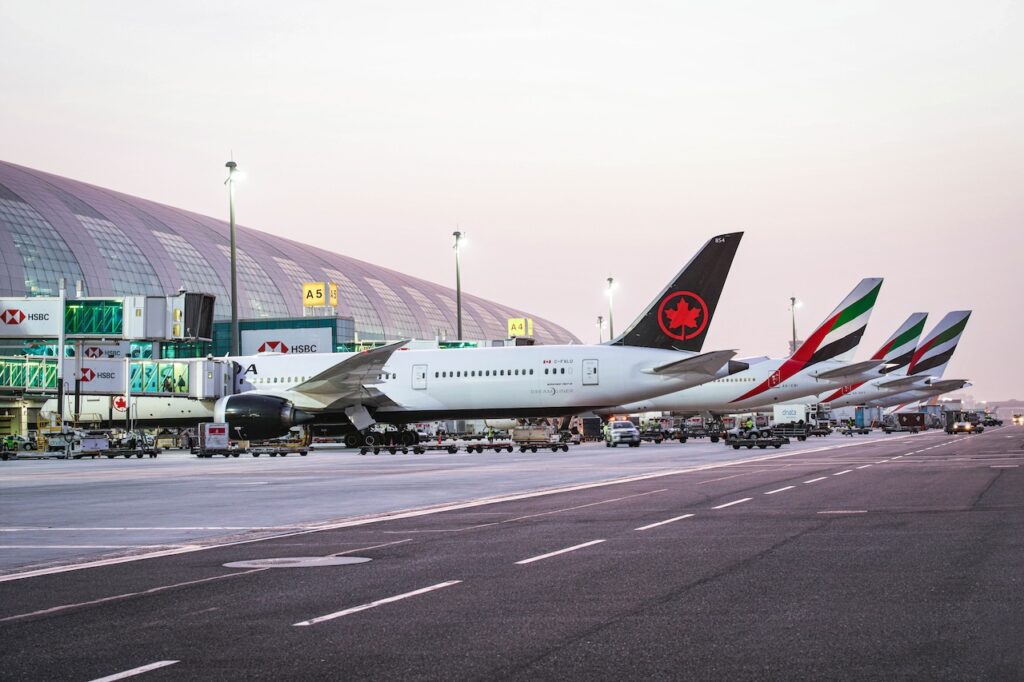



On 14 July 2026, the European Union Aviation Safety Agency has issued a new advisory warning airlines to avoid the Gulf airspace after renewed hostilities in the U.S.-Iran war. The Conflict Zone Information Bulletin applies until 29 July 2026 at least.
As the hostilities between the U.S. and Iran are once again escalating, the European Union Aviation Safety Agency (EASA) has updated its advise to airlines. Although they had been asked to exercise caution during the ceasefire, a more restrictive advisory warns carriers to avoid the Gulf airspace altogether until 29 July 2026 at least.
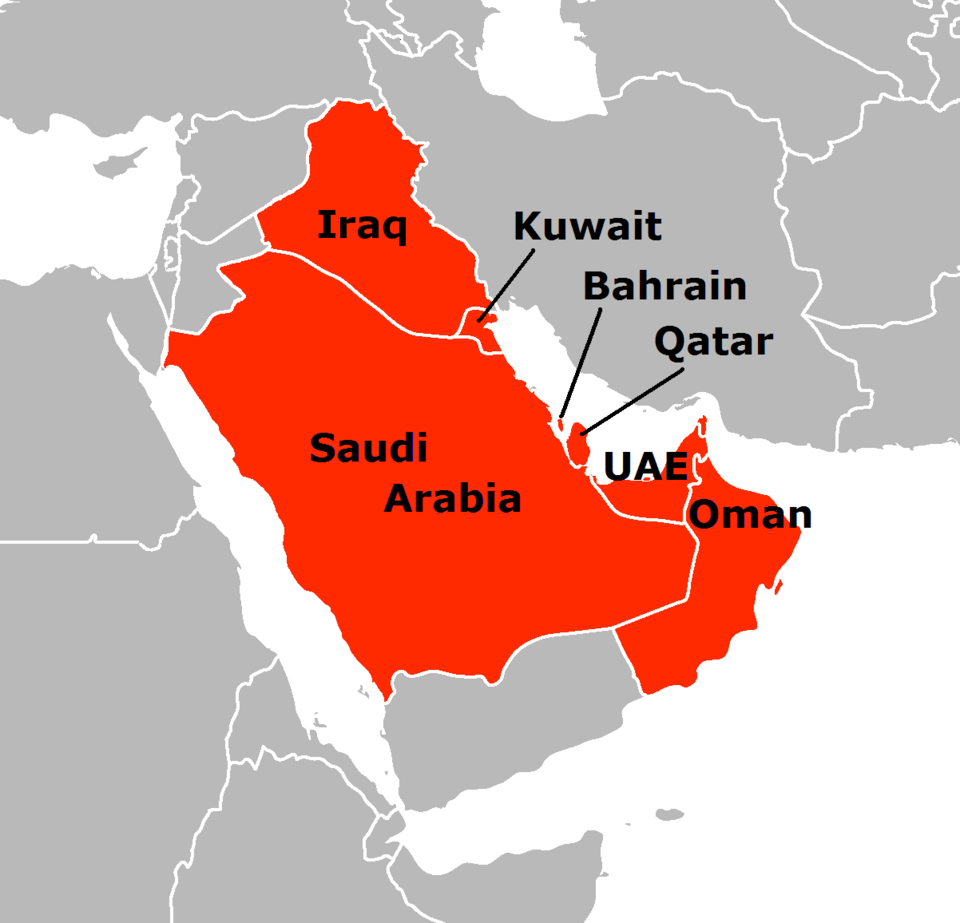
The warning applies to the following regions in particular:
- Bahrain (Bahrain FIR – OBBB)
- Kuwait (Kuwait FIR – OKAC)
- Qatar (Doha FIR – OTDF)
- United Arab Emirates (Emirates FIR – OMAE)
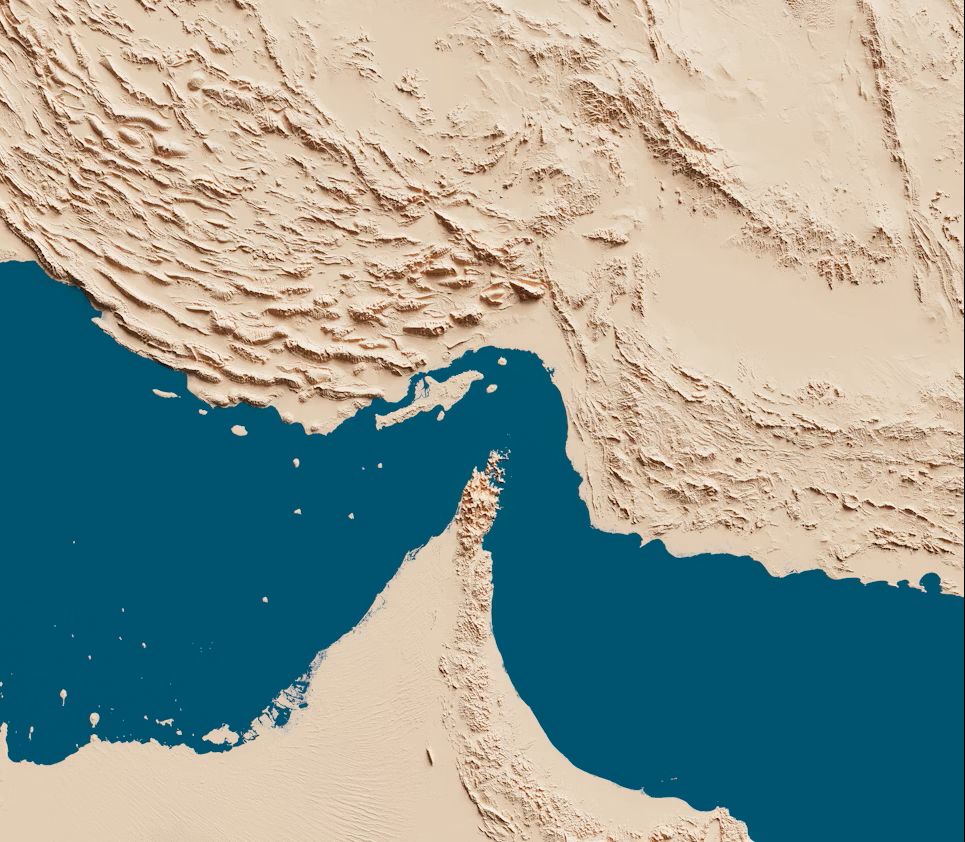
- Airspace over the waters of the Gulf of Oman within the FIR Muscat (OOMM) west of longitude 58°E
“Following the military conflict between the United States and Iran, a temporary ceasefire was initially announced on 8 April 2026 and remained in effect until 17 June 2026, when both parties signed a Memorandum of Understanding extending it for a further 60 days. However, its implementation has been subject to recurrent and significant violations, creating again, a high level of risk across the Gulf region,” the EASA writes.
The aviation body points towards the Iranian efforts to maintain control over the Strait of Hormuz, which has led to recurrent attacks against commercial vessels, and related U.S. military actions. According to the EASA, this creates high risks for the Gulf airspace.
“The presence of major US military facilities in the region increases the likelihood that the States covered by this CZIB may be directly exposed to Iranian missile and drone attacks. The surrounding maritime airspace may also be affected by missile or drone overflights, interception activity, falling debris and the wider consequences of regional military escalation,” the Conflict Zone Information Bulletin reads.
🇮🇷🇧🇭🇺🇸 Iranian missiles are striking U.S. bases in Bahrain, with powerful explosions being heard now. pic.twitter.com/tTIq5dMb4W
— SilencedSirs◼️ (@SilentlySirs) July 14, 2026
The EASA mentions a heightened readiness and activation of national and U.S. air-defence systems, which might increase the risk of misidentification, unintended engagement, and collateral effects affecting civil aircraft. The aviation body states that military activity may occur with little or no warning in confined airspace, significantly reducing the time available to aircraft operators and air navigation service providers to mitigate exposure through tactical rerouting or timely airspace management measures.
Although regional authorities have been implementing temporary airspace closures and restrictions throughout the conflict, the conflict remains highly unpredictable in nature, which might cause a delayed reaction which could put commercial airplanes in great danger.
“Unpredictable military developments, combined with the possible use of missiles, drones, combat aircraft and air-defence systems, create a high risk to civil flights at all altitudes and flight levels within the concerned airspace. EASA, together with the Commission and Member States, will continue to closely monitor the situation, with a view to assess whether there is an increase or decrease of the risk for EU aircraft operators due to the evolution of the threat and risk situation,” the warning concludes.
Apart from the Conflict Zone Information Bulletin is also asking airlines not to operate in the airspaces of Lebanon, Iran, and Iraq. The advisory applies until 31 August 2026 at least.