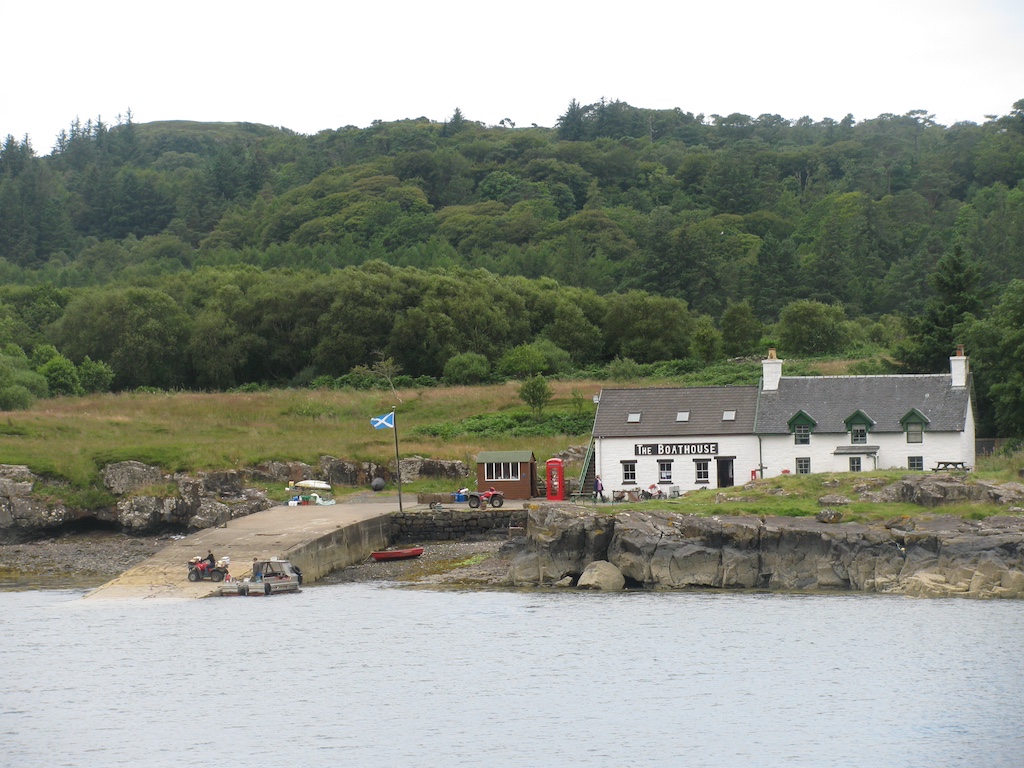



Ulva, a small island off the west coast of Scotland, will stop receiving visitors on Sundays this summer after an unexpected rise in tourism. The decision affects the only foot passenger ferry between the island and the Isle of Mull, effectively pausing access one day a week during the peak season. Ferry operators have described “unprecedented interest” in the island since it gained wider attention. With just 16 residents, even small increases in visitor numbers have placed pressure on local services. The temporary closure is intended to help the community manage demand during the busiest months.
The rise in tourism is closely linked to the BBC Scotland series Banjo & Ro’s Grand Island Hotel. The programme follows interior designer Banjo Beale and his husband, Ro Christopher, as they work on restoring Ulva House, a historic property on the island. Since the show aired, ferry operators say the island has become significantly busier during spring and summer. The Ulva Ferry team said, “If you’ve visited us already this year, you’ll have noticed how much busier things have been,” highlighting the visible change in visitor numbers since the programme was broadcast.
Ulva lies in the Inner Hebrides and is only accessible via a five-minute ferry crossing from the Isle of Mull. There are no paved roads on the island, and movement is limited to walking or small utility vehicles. This makes the ferry the sole transport link between Ulva and the mainland network. “To give ourselves, the Boathouse and fellow islanders the chance to recharge and prepare for the week ahead, we have made the difficult decision not to open Sundays this summer,” the operators confirmed, effectively pausing tourism access once a week during the busiest months.
The ferry company also said the scale of demand had grown far beyond expectations. “None of us could have predicted how significant the increase in the numbers of visitors would be,” underlining how quickly tourism has expanded following the island’s increased media exposure. The Boathouse and other small island services have experienced higher visitor pressure as a result. While tourism has brought benefits, it has also placed a strain on a very limited workforce and infrastructure.
Local resident Andy Primrose, who runs a small hostel on Ulva, said the situation reflects the island’s structural limitations. “It all comes down to capacity. All these businesses are based on individuals, and there are only 16 folks here, and some of them are children. There is a natural limit to what you can do,” he said.
Ulva has been community-owned since 2018, when it was purchased by the North West Mull Community Woodland Company. The aim of the buyout was to support long-term development and strengthen the local population. At the time, only six people lived on the island, and that number has since risen to 16. The long-term vision focuses on balancing economic activity with community sustainability, with tourism seen as a key but carefully managed part of that future.
The situation on Ulva also reflects a wider European trend where very small communities are dealing with sudden increases in visitor numbers. In Slovakia, residents of the UNESCO-listed village Vlkolínec have even called for its World Heritage status to be revoked, arguing that tourism pressure has made daily life increasingly difficult. While the circumstances differ, both cases show how media exposure or official recognition can rapidly reshape fragile rural destinations. They also highlight the broader challenge of maintaining community life in places that become unexpectedly popular.
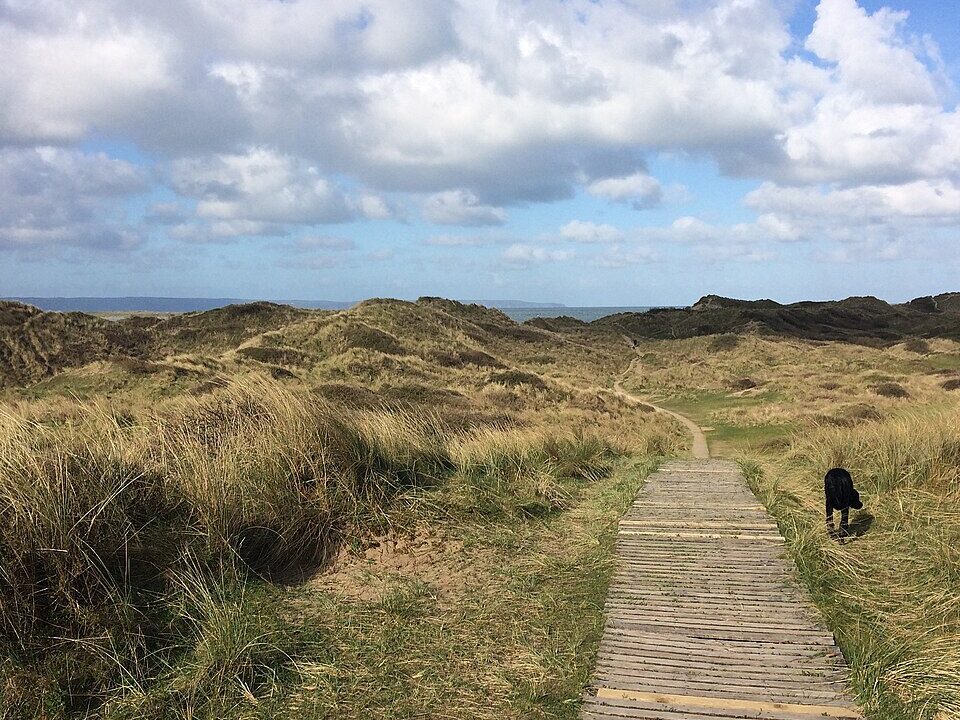
Despite the new Sunday closure, Ulva continues to attract visitors for its remote landscapes and wildlife. The island features cliffs, moorland, quiet beaches and views across the Inner Hebrides. Wildlife sightings can include seals, otters and dolphins, while nearby waters are also home to puffin colonies. The Boathouse remains a central stop for visitors, serving local seafood in a small harbour setting. Even with controlled access on Sundays, the island is expected to remain a popular destination throughout the summer season.