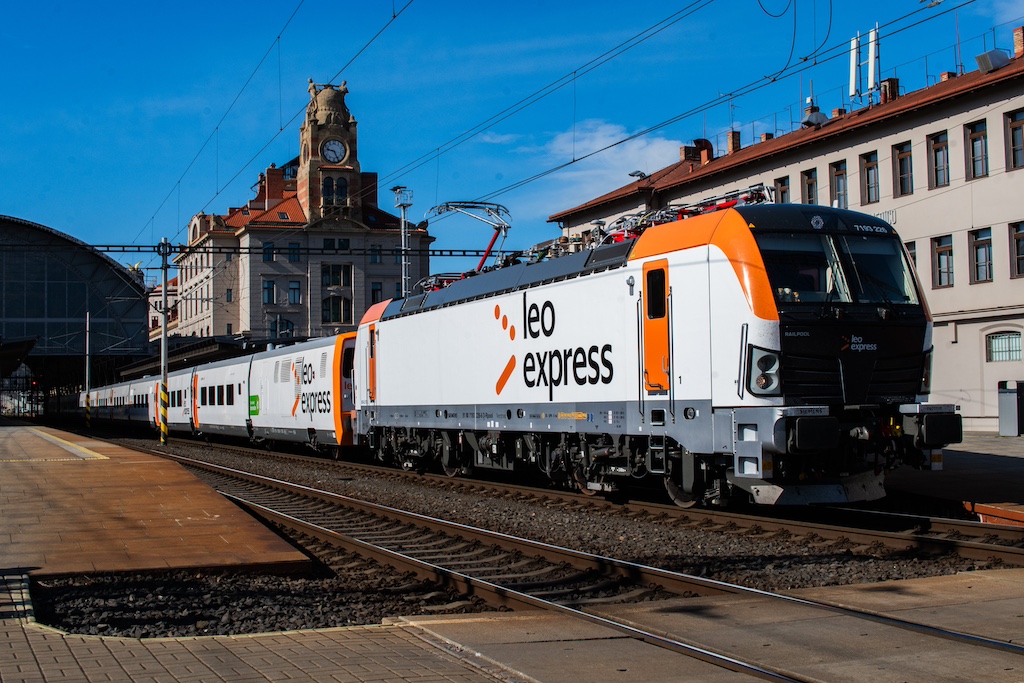



The era of long-distance European train journeys seems to be back on track. A new 1,300 km rail route from Poland to Germany via the Czech Republic is set to launch at the end of the month, becoming one of Europe’s longest daily passenger train services.
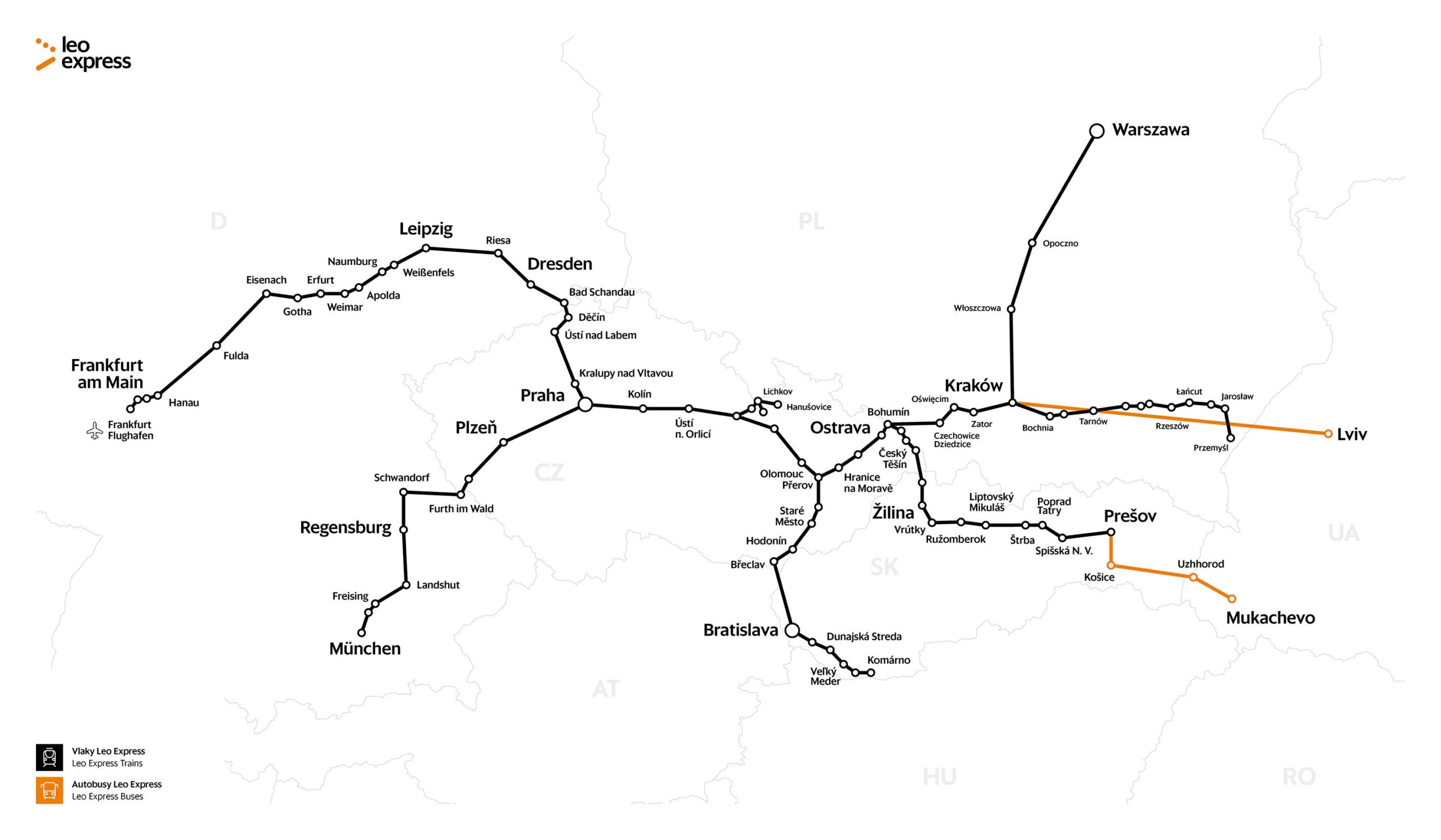
The service will be operated by Czech rail company Leo Express, and is scheduled to start on 25 June. It will run from Przemyśl in Poland, close to the Ukrainian border, to Frankfurt am Main in Germany, stopping at major cities including Kraków, Prague, Dresden and Leipzig. The full journey will take around 18 hours.
When announcing the plans in December 2025, Leo Express CEO Peter Köhler said that the service would “break down the symbolic rail barrier between eastern and western Europe, connecting key European centres with the gateway to Ukraine via a direct route that has been lacking until now”.
Railways have historically played a crucial role in conflicts by providing a vital means of transporting people, troops, food and supplies. This has been highlighted once again since Russia’s invasion of Ukraine in February 2022.
Przemyśl has become a vital gateway, with trains constantly shuttling refugees, aid workers, officials and everyday travellers in and out of Ukraine.
This development has coincided with a significant increase in rail travel across Poland. Demand has reached such levels that PKP Intercity, Poland’s long-distance public rail operator, has expanded its timetable to include international connections to Croatia, Germany, the Czech Republic, Slovakia, Hungary, Lithuania and Austria.
Competition is heating up as other international operators want a piece of the pie. Private Czech operator RegioJet was recently forced to abandon its Polish domestic routes after just a few months, accusing PKP Intercity of “predatory practices”. PKP has also shown little enthusiasm for Leo Express’s plans, submitting a request in March to Poland’s Office of Rail Transport (UTK) for a review, arguing that the new service could undermine the “economic equilibrium” of public service contracts.
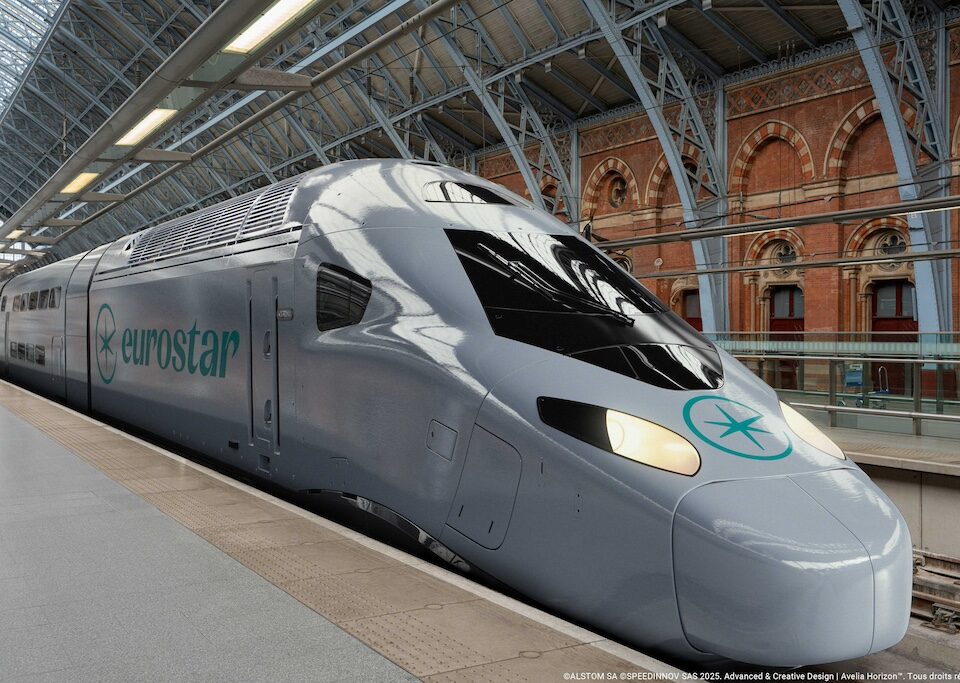
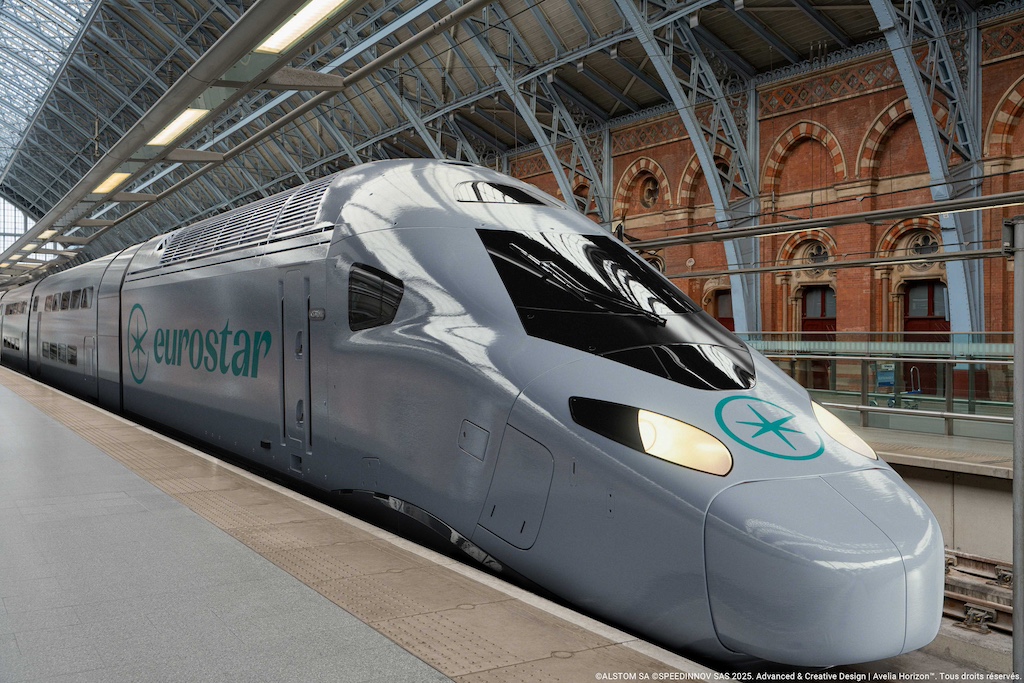
The new route is part of a wider European rail revival, with operators across the continent reinstating longer journeys that were previously deemed unprofitable due to competition from low-cost airlines. Several new cross-border connections have already launched or are planned for 2026, while Eurostar aims to expand into Germany and Switzerland by 2030.
The Przemyśl–Frankfurt service will be one of Europe’s longest daily passenger routes, although a few non-daily connections cover greater distances.
Seats will start at €10, and the train times have been chosen strategically too. As Köhler explains, Leo Express offers a connection “with an excellent arrival time of 7:53 a.m. at Frankfurt Airport, providing seamless transfers to European and intercontinental flights”.
The return connection at 8:27 a.m. also enables daily travel to Prague, with later arrivals in Kraków and Przemyśl. At the same time, the train provides a direct connection between Prague, Dresden, Leipzig, Erfurt and Frankfurt.”
Passengers will have access to Wi-Fi, power outlets, refreshments and air conditioning throughout the journey.
Although demand is growing, many obstacles remain as Europe’s rail network is still fragmented. Differing signalling systems, separate ticketing platforms, and conflicting national regulations make cross-border journeys far more complicated than they need to be.
Despite these hurdles, the vision of a Europe reconnected by train is clearly gaining momentum as a more sustainable way to travel and rediscover the continent, not only in times of crisis.