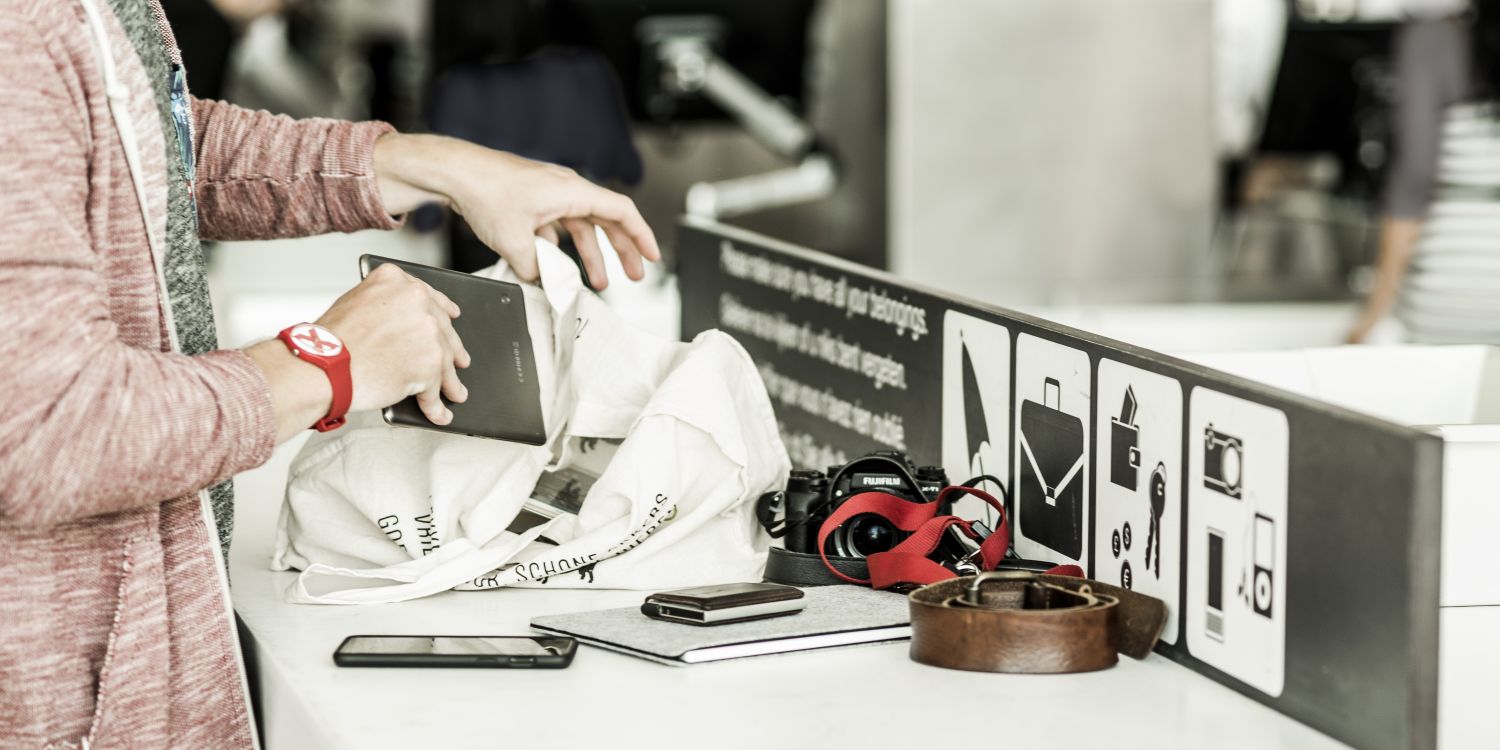



The era of losing your favourite perfume or frantically finishing it off before the security check is finally coming to an end at Brussels Airport. So too is the familiar ritual of removing laptops from bags, placing toiletries into small transparent bags and the humiliation of being pulled aside because of a forgotten bottle at the bottom of a suitcase.
The airport has announced that it will introduce a new generation of body and CT scanners for hand luggage. These are aimed at making security checks faster and smoother while maintaining safety standards.
“The safety of our passengers and staff is always our top priority. With this new technology, we will not only continue to ensure safety but also make security screening even smoother and easier for our passengers”, said Arnaud Feist, CEO of Brussels airport in a statement.
Construction is expected to begin next year, with the first scanners becoming operational in 2028, and the entire system is scheduled to be fully operational by summer 2029.
Currently, passengers walk through metal detectors while their belongings are checked using X-ray scanners. Laptops, tablets and other electronics must be removed from bags, and liquids are limited to 100 ml containers, with a total allowance of one litre, except for specific exemptions such as medicines.
With the new CT scanners, however, passengers will no longer need to remove liquids or electronics. Under current European regulations, they will also be allowed to carry liquids in containers of up to two litres.
A phased approach
The first body scanner trial will take place in June. Brussels Airport will then build an additional temporary screening platform equipped with the new technology in 2027, with the first scanners expected to become operational in 2028.
While the temporary platform is operational, the current security area will be upgraded gradually to avoid reducing capacity during the transition.
“With the new scanners, we will also increase capacity so that we are prepared for any growth in passenger numbers in the coming years,” Feist added.
The project is part of Brussels Airport’s Hub 3.0 development plan, which aims to modernise passenger facilities and help the airport remain competitive.
By summer 2029, all 19 departure screening lanes should be equipped with the new scanners, while transfer passenger screening areas will be upgraded at a later stage.
If a number of airports across the EU, including London, have already successfully navigated the regulatory hurdles to allow the two-litre liquid limit, international rules remain somewhat of a jigsaw and passengers should keep in mind that not all airports will have installed the new technology yet, so they may still be asked to bring those 100 ml bottles. Terminal upgrades and local law changes happen at vastly different speeds across the globe.