

The conflict in the Middle East has caused most flight prices to go up, but not all. According to flight comparison website FlightsFinder.com, some airlines are pushing demand by decreasing their fares on intra-European flights.
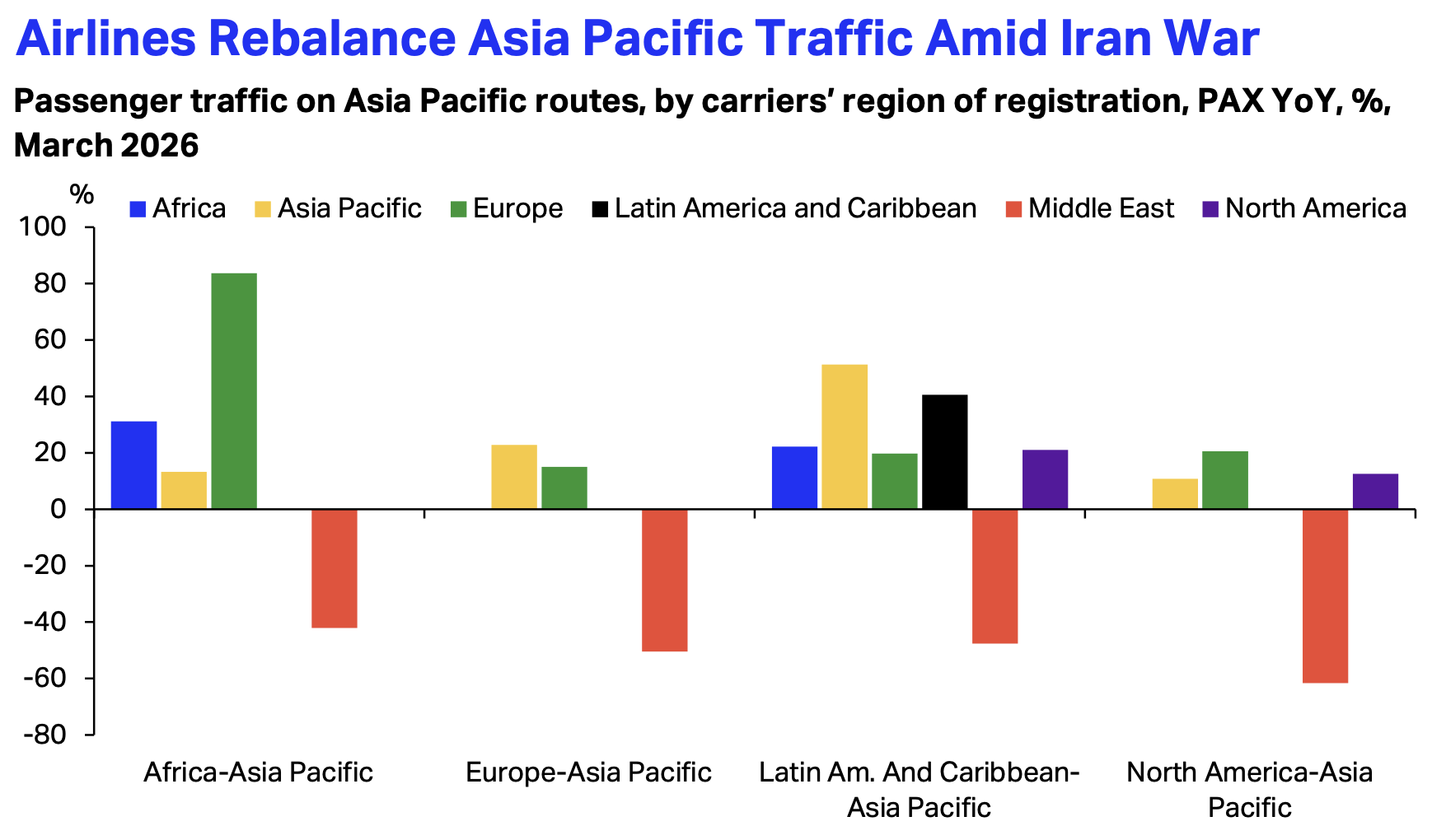
The U.S.-Israel war on Iran hasn’t been beneficial for the global airline industry. While usually very popular connection hubs in the Middle East, including Doha and Dubai, are being avoided due to the higher risk, travelling times are getting longer, and jet fuel prices have gone through the roof.
Most airlines are responding to those unusual circumstances by increasing their airfares, especially on long-haul flights. Fuel hedging has been able to absorb part of the consequences, but with fuel representing between a third and a half of an airline’s costs, ticket prices have gone up overall. Especially flights between Asia and Europe have been affected – some fares have almost tripled since the start of the conflict.
However, according to flight comparison website FlightsFinder.com, not all travellers need to worry about spending more on their upcoming flight. An analysis by the company shows that a handful of airlines have actually decreased their fares on popular intra-European flights, such as from the UK to European destinations like Nice, Palma, and Barcelona.
“Our fare history shows a steady decrease in price over the last few months,” FlightsFinder.com founder Shahab Siddiqui said in an interview with Europe in Motion.
It’s time for our regular mid-week look at global air traffic with nearly 22,000 flights in the air right now. pic.twitter.com/VuVNZQlqgh
— Flightradar24 (@flightradar24) May 20, 2026
The flight comparison website, namely, mentions Ryanair, WizzAir, and EasyJet as airlines that have cut their prices on certain flight routes, with discounts ranging from 10 to 30%. The aim of that move, allegedly, would be to drive demand in a currently uncertain market. By decreasing airfares, they hope to lure travellers into buying their tickets as soon as possible, instead of delaying their purchase or opting for other means of transportation.
However, the decreases likely won’t last. Still, according to Siddiqui, the price cuts are being made possible through hedging – the longer the conflict in the Middle East lasts, the less airlines will be able to depend on those reserves purchased at a lower price.
“These agreements are set to expire in the latter half of this year, which is expected to trigger a universal price surge across all intra-European routes,” the founder explains to Europe in Motion.
Select routes
Travellers who want to benefit from low air fares should thus better book their tickets as soon as possible, while such deals can still be found. Moreover, it is important to note that not all routes are subject to the price cuts. On the contrary, EasyJet has even announced it would be increasing its minimum ticket prices amid the jet fuel crisis.
EasyJet also reported a £552 million loss for the six months ending in March 2026, thus doing 40% worse than during the same period last year. However, Chief Executive Kenton Jarvis expects to continue to operate normally.
“Airlines typically make losses in the six months to March as they run through the winter and then look to make the profits as we operate in the summer,” Jarvis told BBC Radio 4’s Today.
The budget airline’s summer bookings are currently 2% below those of 2025, but all is not lost, as passengers are reportedly waiting until the last minute to book their tickets due to the crisis and the uncertainty it creates.