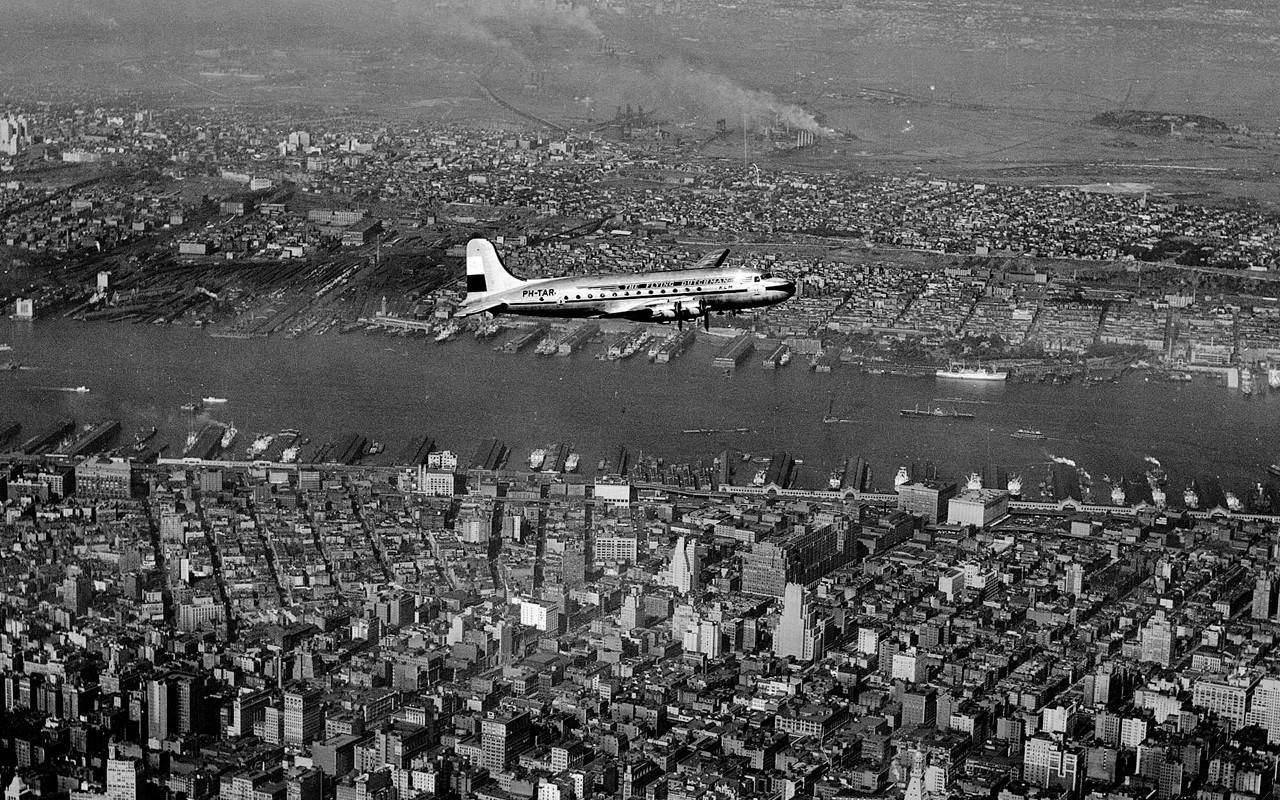



KLM is celebrating 80 years since its first flight connecting Europe to the United States, launched less than a year after the Second World War ended. It became the first European airline to fly a commercial passenger service across the Atlantic.
The 32 courageous passengers aboard the inaugural flight took 25 hours to travel from Amsterdam to New York. The Douglas C-54 Skymaster made refuelling stops in Prestwick, Scotland and Gander, Canada. Evert van Dijk captained the flight, and the mayors of Amsterdam and Rotterdam were among the passengers on this historic crossing.
Originally designed as a military transport aircraft during the war, the Douglas C-54 was later converted for civilian use. It remained in service until the late 1950s, quickly becoming a symbol of the new era of transatlantic travel.
Founded by a group of eight investors from the Dutch business and banking sectors at the end of the First World War, KLM (short for Koninklijke Luchtvaart Maatschappij voor Nederland en Koloniën, or Royal Dutch Airlines for the Netherlands and Colonies) was led by aviation pioneer Albert Plesman, often nicknamed “The Flying Dutchman”. Plesman became the airline’s president and oversaw its rapid post-war expansion and the development of its long-haul network.
During the German occupation, KLM could not fly from the Netherlands, but its West Indies division remained active. After liberation, the airline quickly rebuilt its operations and launched the Amsterdam–New York route using new aviation technology. This formed the core of its modern transatlantic network, which soon expanded to include Central and South America.
KLM’s current CEO, Marjan Rintel, described the route as reflecting the “close ties between the Netherlands and the US for 80 years”.
“What began in 1946 as a groundbreaking connection has grown into a vital link for business travellers, tourists, and cargo traffic. For decades, this route has supported trade, investment, and cultural exchange, bringing people and economies on both sides of the Atlantic closer together.”
To mark the anniversary, KLM is hosting two exhibitions on both sides of the Atlantic.
A pop-up exhibition in Manhattan, running until 27 May, is taking place in the lobby of the New-York Historical Society. Among the objects displayed are vintage travel items and the original china once used on board the first flights, offering a glimpse into an era far removed from the plastic-wrapped sandwiches and disposable cutlery now commonly associated with economy-class travel. KLM has also unveiled a limited-edition Delft Blue miniature house modelled on the museum building itself.
Incidentally, KLM introduced economy class in 1952 in an effort to democratise flying. Members of the Dutch royal family have been spotted flying in economy. King Willem-Alexander is a fully licensed commercial pilot, and for over two decades, he secretly worked as a part-time co-pilot for KLM’s regional subsidiary, Cityhopper.
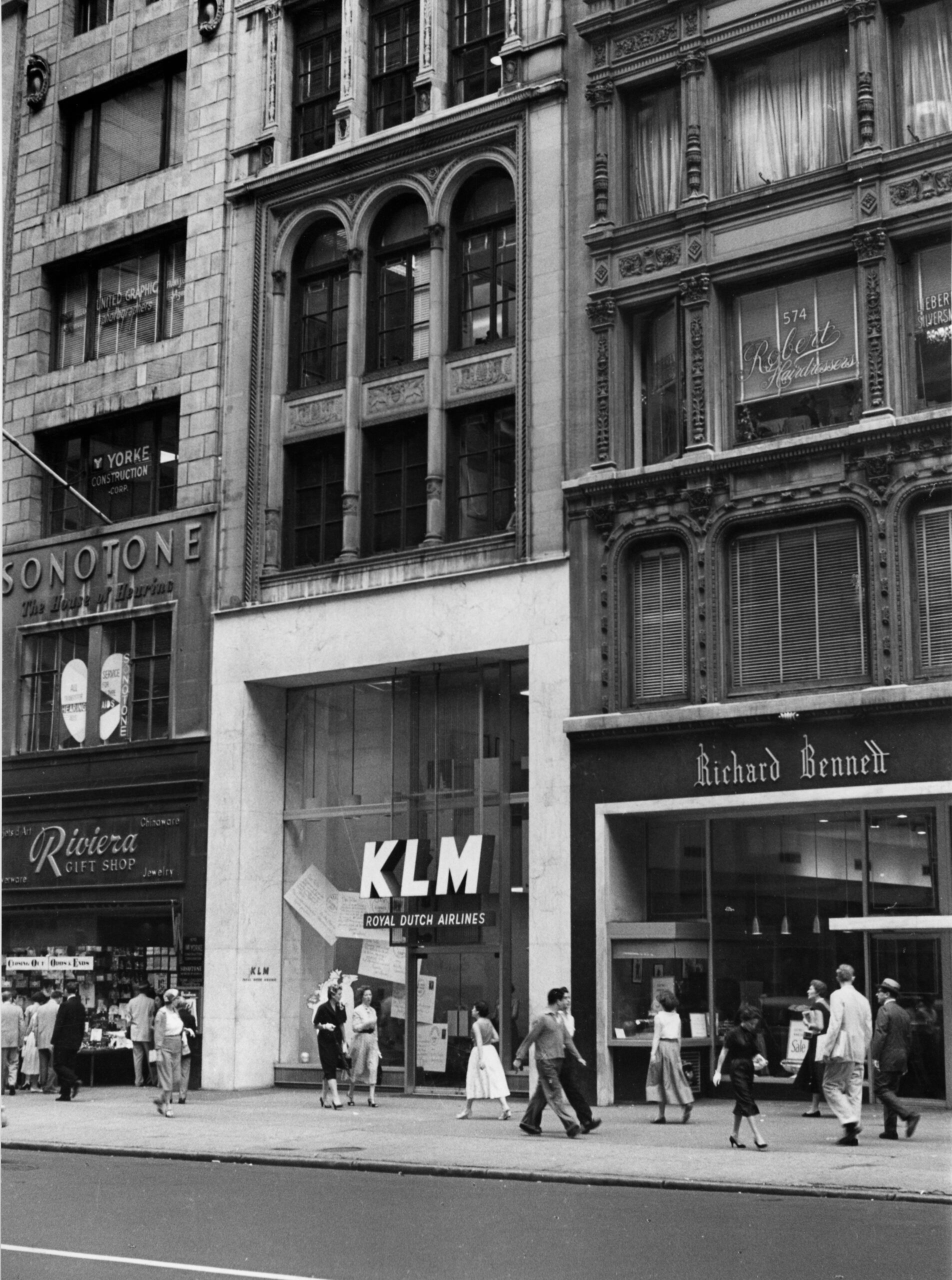
Meanwhile, the Dutch aviation museum Aviodrome has opened a new exhibition titled The PH-TAR and the Journey to the New World, where a carefully restored Douglas DC-4 awaits visitors. It was made to look exactly like the original 1946 service, painted in the PH-TAR livery. Visitors can even step inside the aircraft to experience the cabin as the first passengers did.
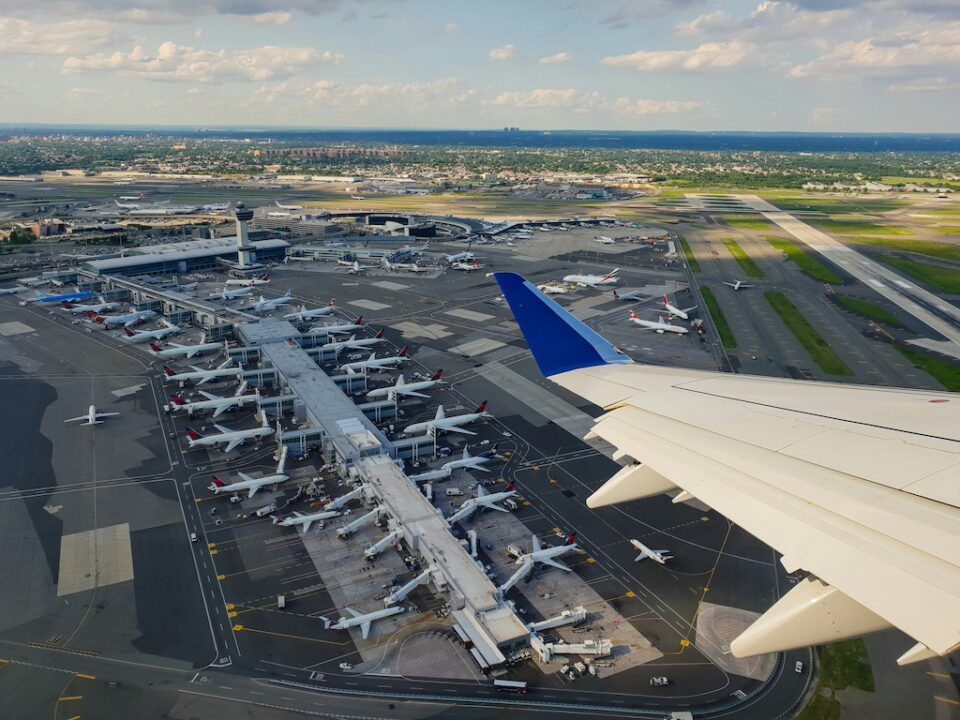
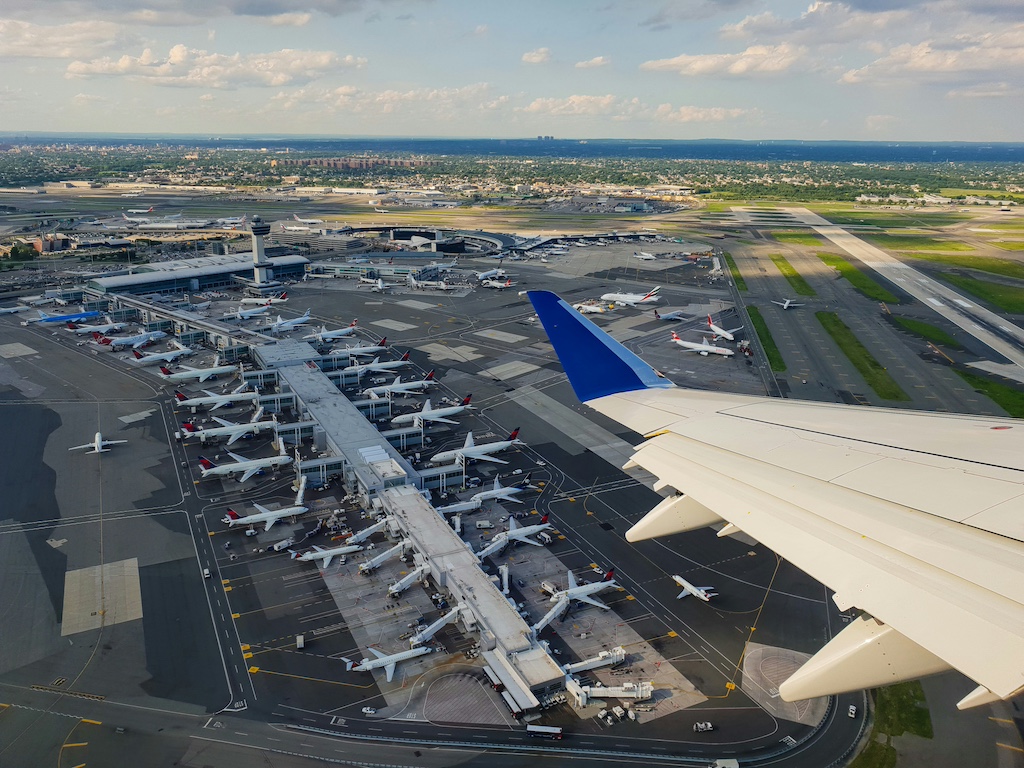
Today, KLM and Delta Air Lines jointly operate the route, offering up to four daily flights between Amsterdam and New York. Last year alone, nearly half a million passengers and over 17 million kilograms of cargo were carried on this route, underlining its continuing economic importance.
Aircraft have also evolved dramatically over the decades, from the iconic Boeing 747 to the Boeing 787 Dreamliner, which KLM now uses on many long-haul routes as part of its efforts to make flying more sustainable.