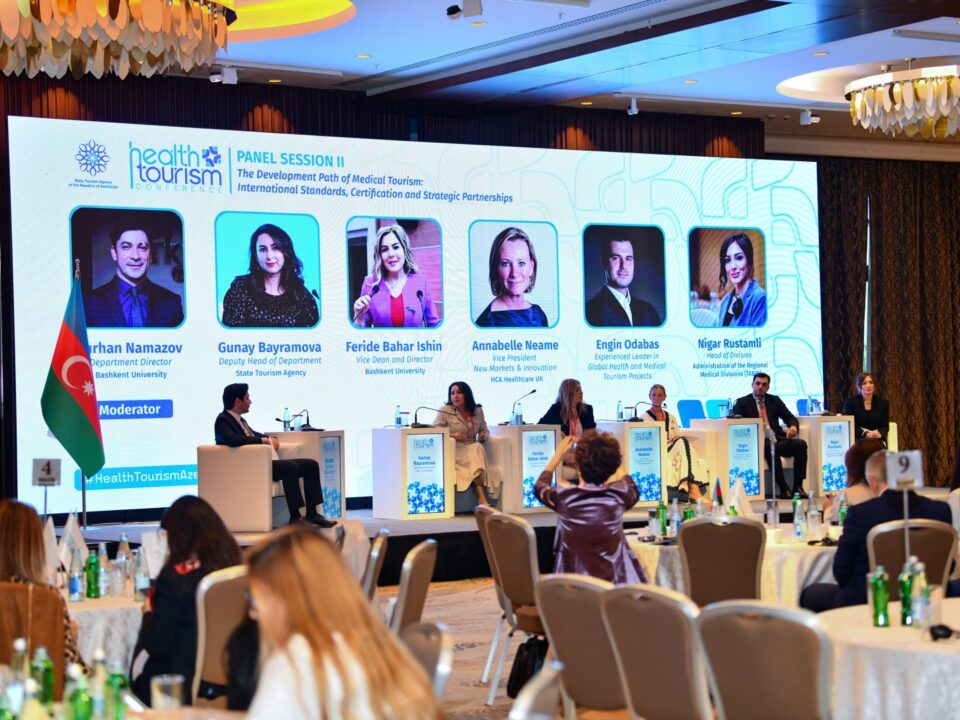
The HEALTHXCHANGE Summit 2026 opened in Varna with a clear message: health tourism is no longer a niche segment, but a strategic field linking healthcare, prevention, regional development, sustainability and Europe’s ageing population.
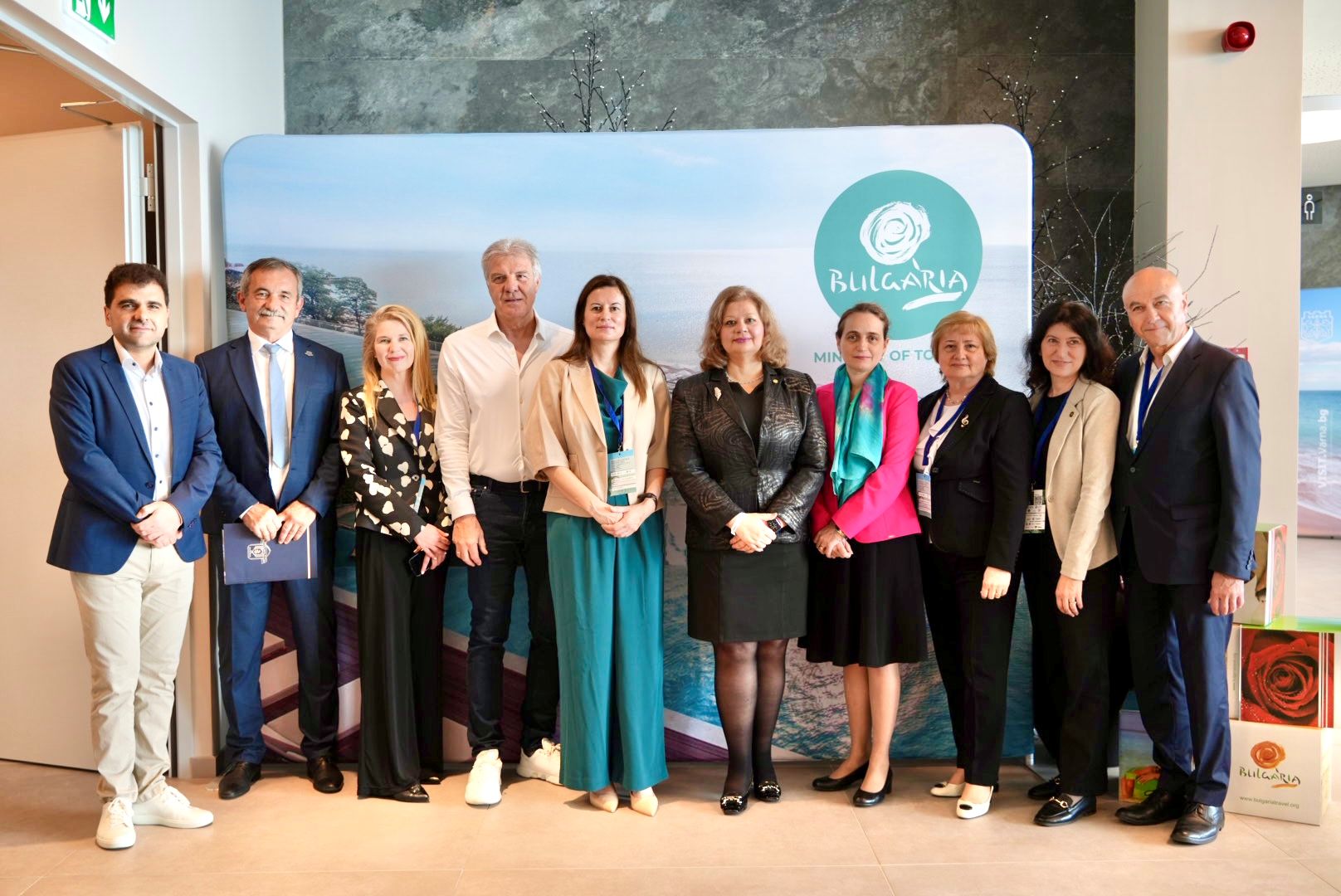
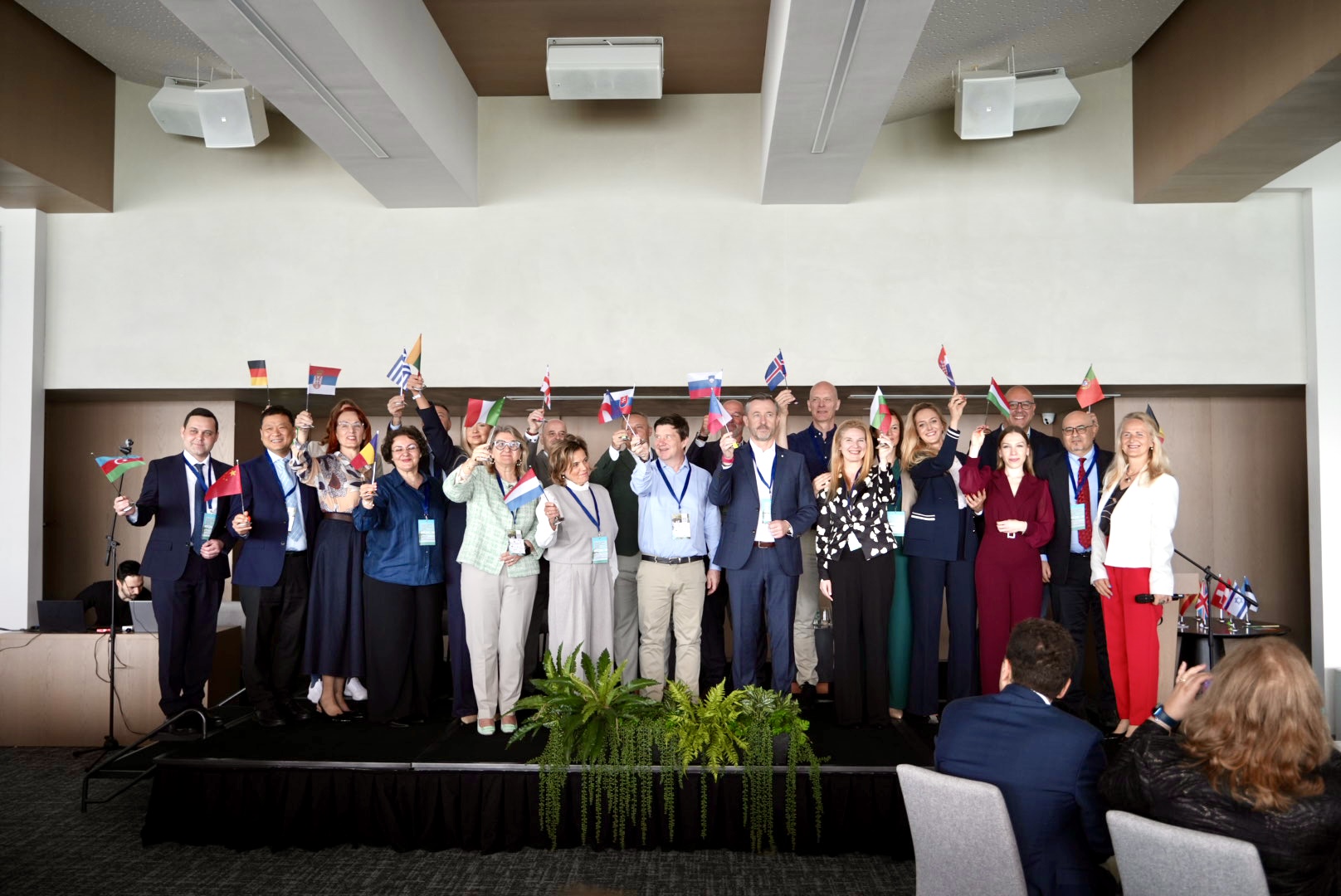
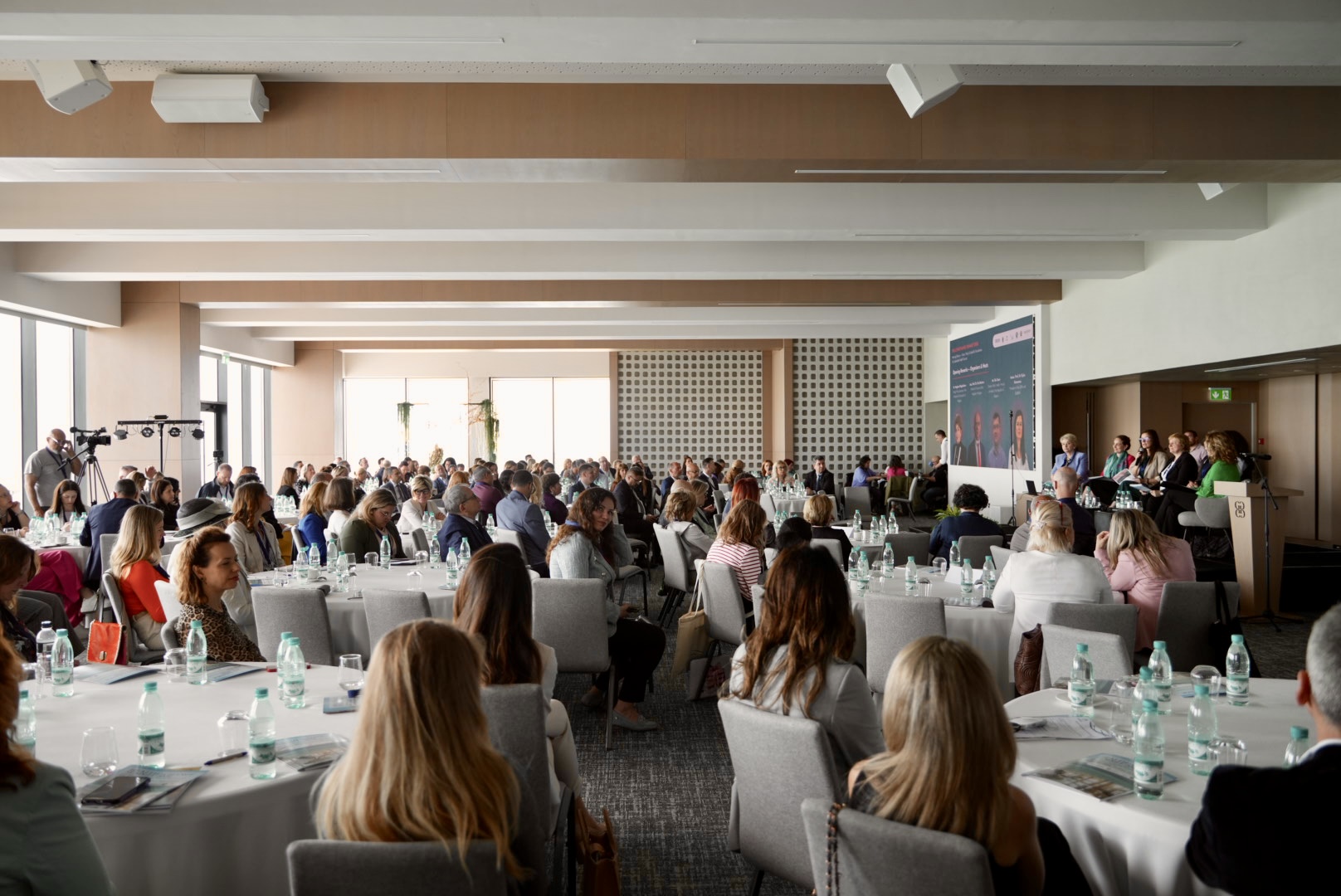
Held at Grifid Noa in Golden Sands from 11 to 13 May, the summit brought together more than 200 participants from 29 countries, including European institutions, government representatives, tourism experts, medical professionals and spa industry leaders. Organised by the European Spas Association, the Bulgarian Union of Balneology and SPA Tourism and HTI Conference & Expo, the event positioned Bulgaria as a growing hub for health, spa and medical tourism.
Varna presents health tourism as an investment in quality of life
Opening the summit, organisers and hosts underlined the need to connect sectors that too often operate separately. A greeting message from EU Commissioner Ekaterina Zaharieva set the tone for the discussions, highlighting the importance of natural resources, prevention and innovation in shaping the future of European health tourism.
Speaking on behalf of Varna Municipality, Deputy Mayor Snezhana Apostolova welcomed participants to Golden Sands and St Constantine and Helena, describing them as “places where sea, minerals, natural resources and modern tourism infrastructure create a unique environment for recovery, wellness and quality living.”
“Today, tourism is far more than an industry. It is an investment in the future, in quality of life, and in the sustainable development of destinations,” Apostolova said.
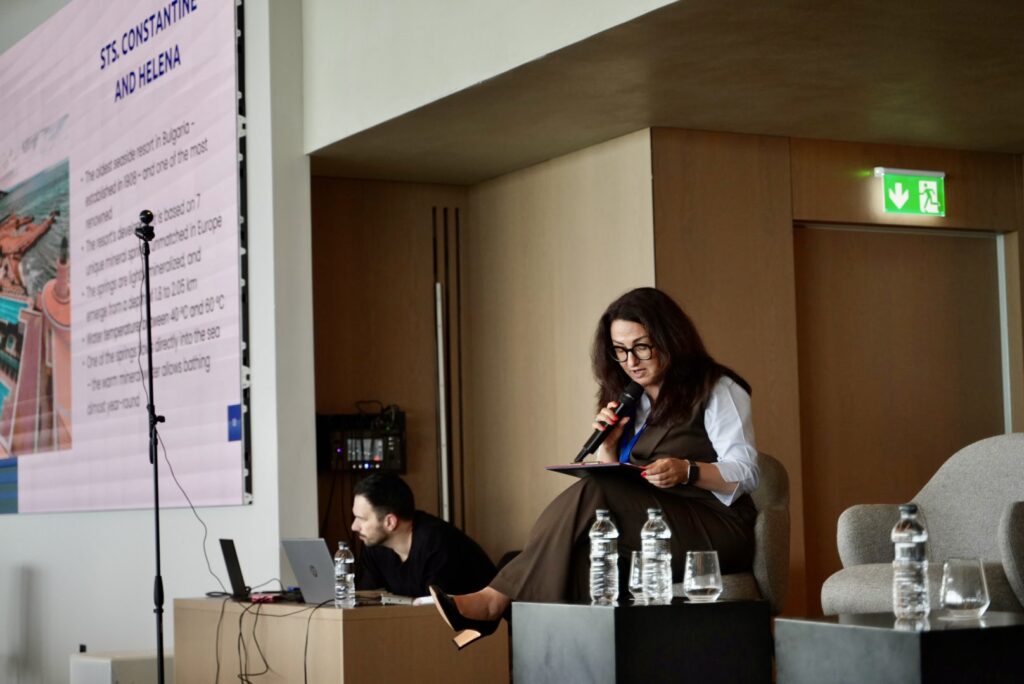
She added that Varna’s ambition is to be recognised as a destination combining “medical expertise, spa and wellness traditions, exceptional natural resources, and a high quality tourism product.”
Bulgaria welcomes Europe’s health tourism community
Assoc. Prof. Dr Siyka Katsarova, President of ESPA and BUBSPA, highlighted Bulgaria’s natural assets and the importance of evidence-based health tourism.
“I’m really happy to welcome you in my home country, Bulgaria, one of the oldest countries in the world, and to open the first edition of the European Health Exchange Summit,” Katsarova said.
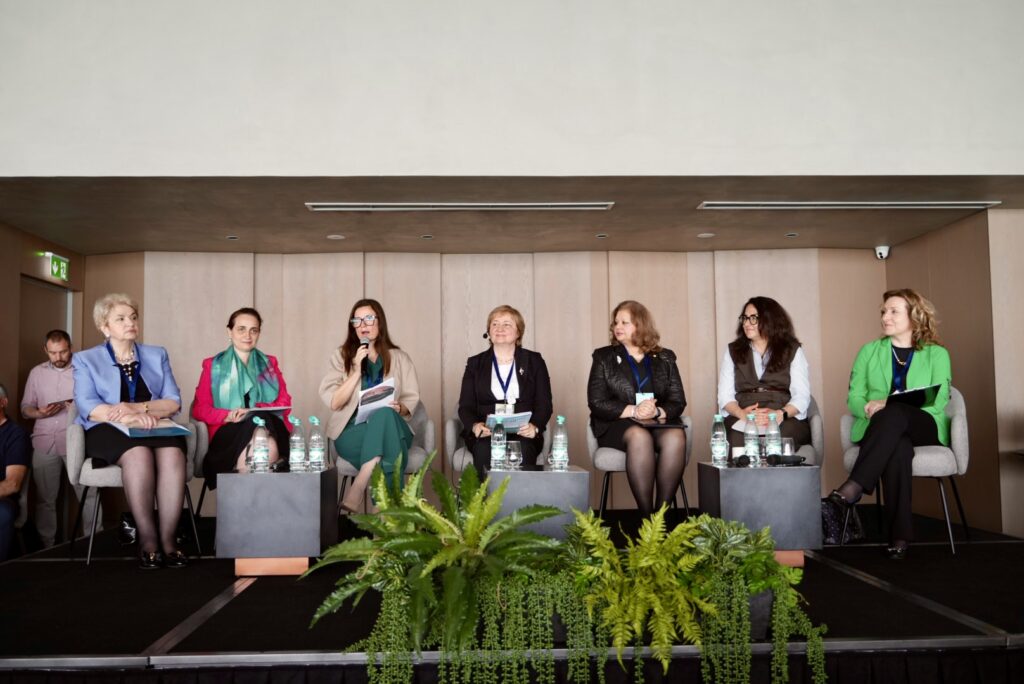
She also underlined the international dimension of the event, noting the presence of “28 countries, 200 guests, 100 foreigners, and most of them first time” participants. Addressing the audience, she added: “Stay here, exchange your opinions, find new contacts, and enjoy the nature.”
EU policy focuses on sustainable and resilient tourism ecosystems
The morning plenary then turned to EU policy and cooperation opportunities. Victoria Petrova, Senior Expert at the European Commission’s DG MOVE, presented the Commission’s work on sustainable and resilient tourism ecosystems.
Petrova explained that the EU does not make tourism decisions directly, but plays a coordination role across Member States, regions and authorities. “We coordinate the work of the European Member States, of the regions and the local authorities,” she said.
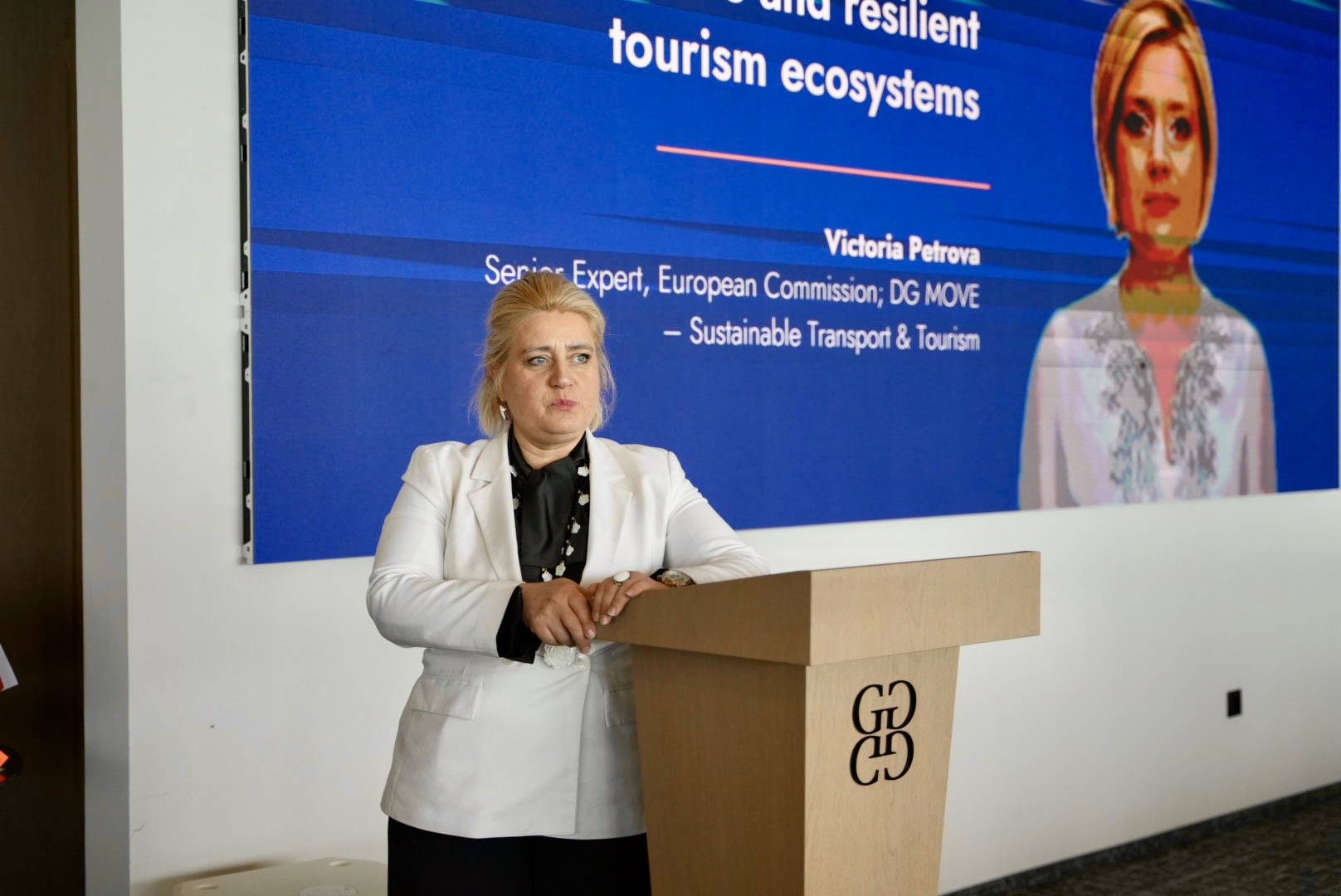
She added that the Commission is particularly active in areas that are crucial for tourism, including “digital economy, mobility, climate, taxation and business.”
Petrova highlighted the importance of fact-based policymaking, including the use of data from the Joint Research Centre to identify tourism concentrations and development potential at the regional and municipal levels. She also pointed to EU funding opportunities for tourism SMEs, climate adaptation, innovation and destination management, noting that tourism companies can tap into several European programmes.
Health tourism, Petrova said, has significant potential in Europe, particularly in the context of the longevity economy, the 55-plus population and people requiring accessible health-related services.
She also referred to future priorities, including skills development, data, technology, multimodal connectivity and closer cooperation with international organisations. One of the Commission’s objectives, she explained, is to support the sector with tools to better manage destinations, develop skills and diversify tourism flows.
Regional development as a foundation for health tourism
Former Czech Minister for Regional Development Petr Kulhánek argued that spa and medical tourism cannot be treated as isolated activities. Drawing on his experience in Karlovy Vary, he said successful health tourism depends on cooperation between local authorities, tourism boards, medical providers, research organisations, businesses and residents.
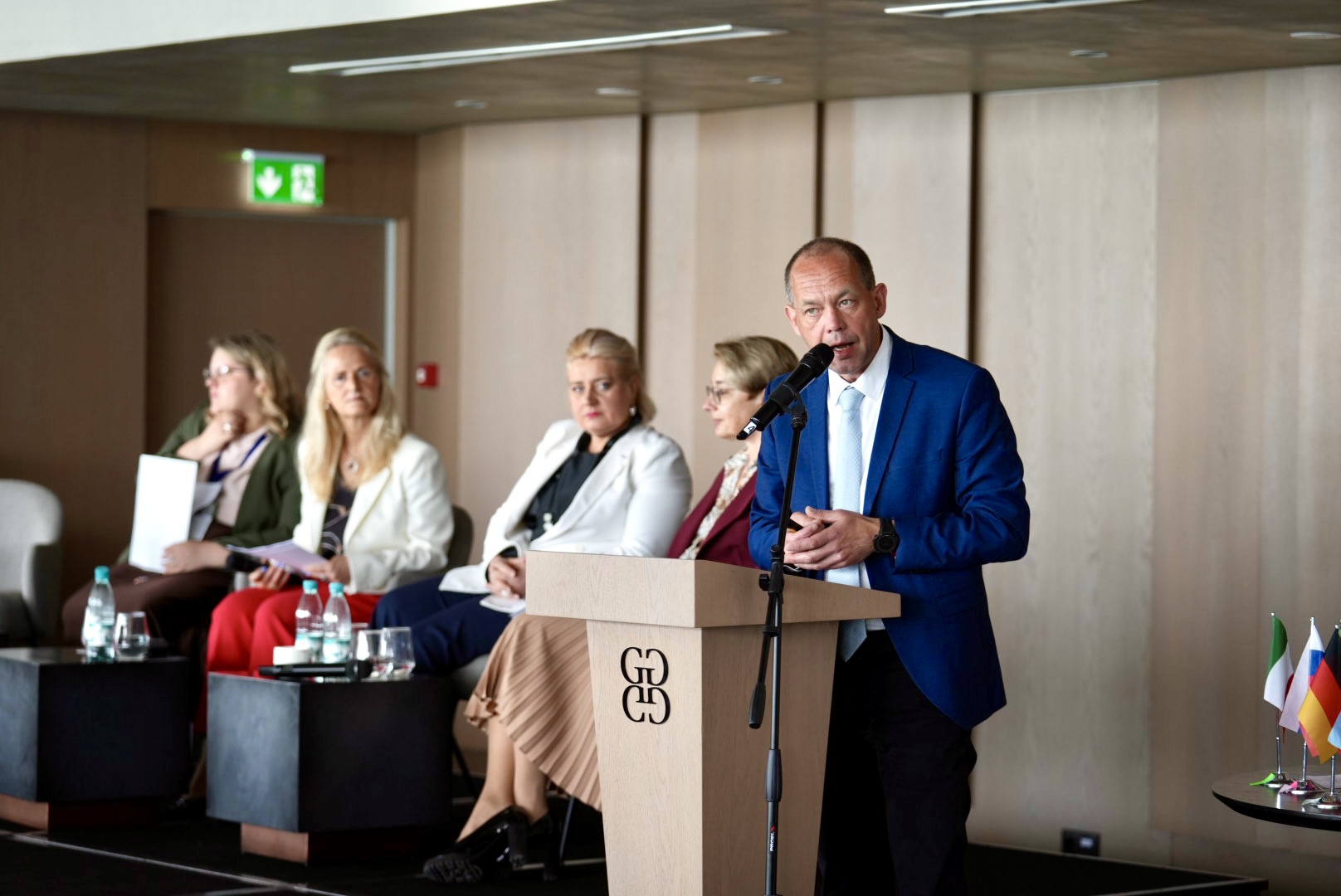
According to Kulhánek, public investment in spa regions improves both the visitor experience and the quality of life of local communities. He also stressed that EU cohesion instruments and operational programmes have supported digitalisation, energy efficiency, research and innovation in spa destinations, even if the sector is still seeking stronger recognition within European healthcare systems.
Life sciences and natural healing resources
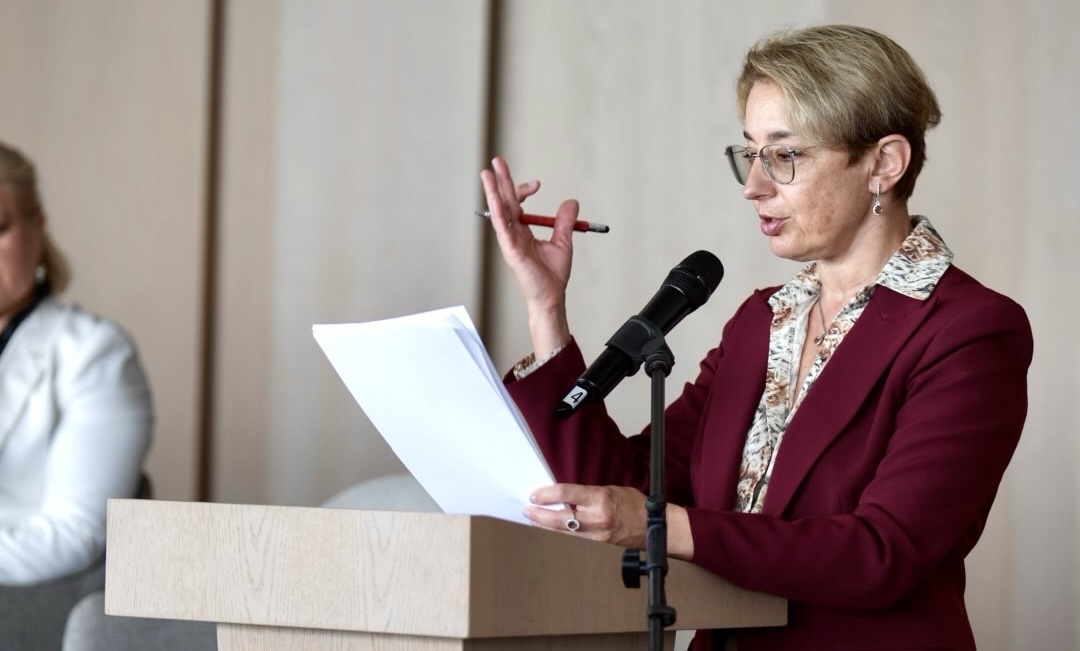
Ass. Prof. Dr Milena Angelova, member of the European Economic and Social Committee and rapporteur of the EU Life Sciences Strategy, called for a more holistic understanding of health.
She argued that Europe’s natural healing heritage, including mineral waters, therapeutic muds and climate therapy, should be integrated into the life sciences agenda alongside biotechnology, medicine and research infrastructure.
Angelova said medical spas and climate health resorts can contribute to prevention, rehabilitation, mental health and healthy ageing. She also called for stronger evidence, research, and data to support the sector’s claims and help natural therapies gain greater visibility in European health policy.
Rural communities at the heart of health tourism
The rural dimension of health tourism was addressed by Anja Fortuna of the Rural Pact Support Office. She noted that many spa destinations are located in rural areas and said closer cooperation with local communities is essential.
Farmers, craftsmen, local producers and residents, she argued, can all contribute to extending the value of health tourism beyond hotels and medical facilities.
Fortuna presented the Rural Pact as a platform to break silos and connect local, regional, national and European stakeholders. She encouraged health tourism actors to join the network and engage with rural communities to strengthen resilience, prosperity and local identity.
A European opportunity for prevention and regional transformation
Throughout the morning, speakers returned to the same central idea: Europe has unique assets in health tourism, but the sector needs stronger coordination, better evidence, clearer communication and closer alignment with EU priorities.
For Bulgaria, the summit offered an opportunity to present its mineral waters, Black Sea resorts, medical expertise and natural resources as part of this wider European conversation. For Europe, it underlined that health tourism is increasingly about prevention, healthy ageing, sustainability and regional transformation.
As the discussions in Varna made clear, the future of health tourism will depend not only on treatments and facilities, but on how destinations connect science, policy, nature, local communities and long-term wellbeing.