


A traditional UK seaside pursuit beloved by some holidaymakers but controversial with others is set to come to an end after over a century due to restrictions on beach access for animals.
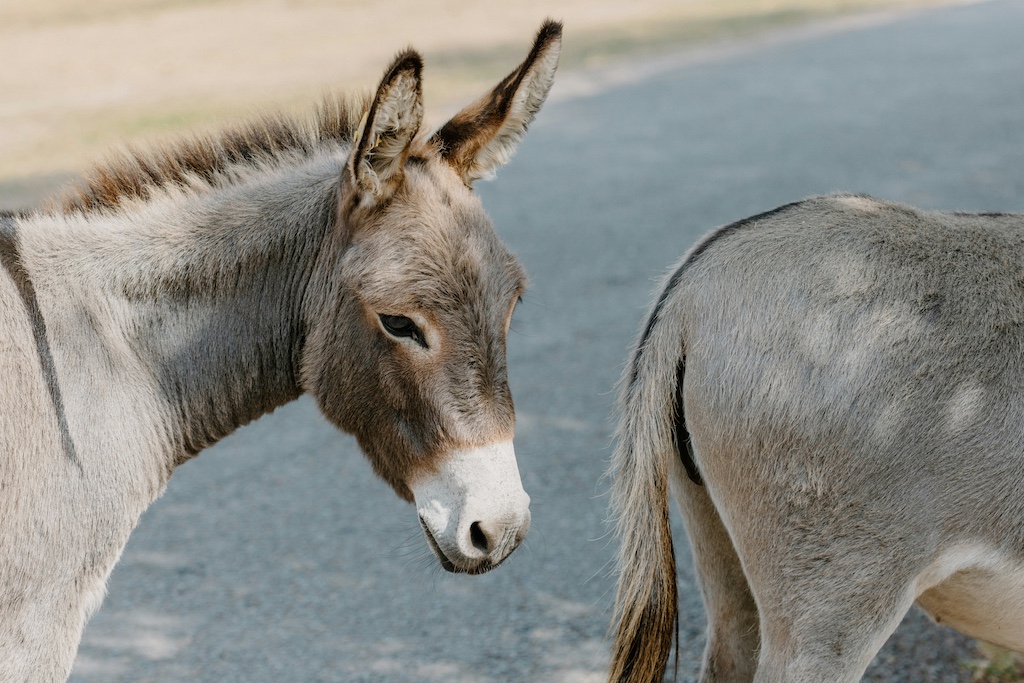
Donkey and pony rides have long operated on the British coast, taking visitors, old and young, along the sands on the backs of gentle four-legged friends. But authorities at Coney Beach in Porthcawl, South Wales, have now extended a ban on dogs along the seashore to all animals, meaning that the seashore’s donkey rides will become a relic of the past.
Behind every holiday ride is a donkey or mule forced to carry the weight – often in the heat, often without rest, and often when they’re already injured or exhausted.
— PETA UK (@PETAUK) May 8, 2026
They don’t choose this. They endure it.
Leave them out of your holiday plans. Don’t ride them.#worlddonkeyday pic.twitter.com/Y6Ni3r4HUR
Summertime rules applying to dogs between 1 May and 30 September will, from now on, cover all creatures, effectively excluding the possibility of granting a licence for seasonal donkey or pony riding at Coney Beach, Bridgend Council said.
The move comes amid major regeneration plans for the Welsh seafront that include 1,100 new homes and an overhaul of the public space, as well as a new hotel development and a promenade. The town’s Coney Beach Amusement Park, which opened in 1918, closed its gates for the last time in October 2025 as part of the changes afoot in the area.
Critics of seaside donkey rides have argued for years that the practice is outdated and is comparable to circuses in violating animal welfare and exploiting creatures by making them work long hours on hot and crowded beaches. The sight of donkeys and ponies being ridden in this way is upsetting to visitors and does not project a positive image of the resorts that host them, they say.
But others defend the activity, claiming that visitors expect such facilities and enjoy the old-fashioned pleasures and distinct character they provide. David Morgan, 74, from Newton, near Porthcawl, told the BBC the decision risked “ripping the heart” out of the community, and stakeholder Jay Bateman, whose family have run a donkey-riding business at Coney Beach for decades, said his livelihood was being taken away.
Meanwhile, the council has insisted it recognises “the importance of traditional seaside attractions” and intends to manage the area in alignment with “the final masterplan proposals and long-term ambitions for the area.”
@robynandthepony Summer Donkey Beach Ride, Porthcawl 2021 #donkey #donkeyride #horsesoftiktok #horsegirl #horse #horseriding ♬ Summer – Calvin Harris
The authority is currently “reviewing the expressions of interest that we have received for providing all-new seasonal activities at Coney Beach,” it said, adding that “residents and visitors should look out for some exciting announcements about a wide range of new activities and stalls in the near future.”
Coney Beach is not the only UK beachfront to be losing what some say are iconic attractions. Dreamland Margate, an amusement park on the Kent coast, announced earlier in 2026 that its historic, grade II-listed Scenic Railway was set to close permanently. Nonetheless, elsewhere, Margate’s seaside character is being reinstated with the advent of development plans for the Nayland Rock Hotel, a now-derelict establishment that once welcomed stars like Charlie Chaplin and Mick Jagger, set to be turned into apartments, short-term rentals, and a restaurant.