

The situation in the Middle East has now reached your airline, with jet fuel prices surging from around $85–90 before the escalation to as high as $150–200, directly affecting the cost of your next holiday.
Airlines initially tried to absorb the shock, hoping for a swift resolution. But with fuel accounting for roughly 30% of operating costs, the pressure has become unsustainable.
Even if a diplomatic breakthrough were to emerge in the coming days, the impact is expected to linger for at least six to nine months across the industry.
In Europe, the head of the International Energy Agency (IEA) has warned that stocks could last as little as five weeks, while other estimates point to an even tighter two-week window.
With the summer season approaching, here is how airlines worldwide are bracing for what lies ahead.
Airlines responses
Aegean Airlines
The Greek carrier has announced a 7–8% ticket price increase and expects flight suspensions to the Middle East to be extended. It reported a “notable impact” on its first-quarter performance.
AirAsia X
The Malaysian airline has cut around 10% of its flights and raised fares by up to 40%, alongside a roughly 20% increase in fuel surcharges.
Air Canada
The carrier will suspend flights to John F. Kennedy International Airport from 1 June to 25 October, while maintaining services to LaGuardia and Newark.
Air France–KLM
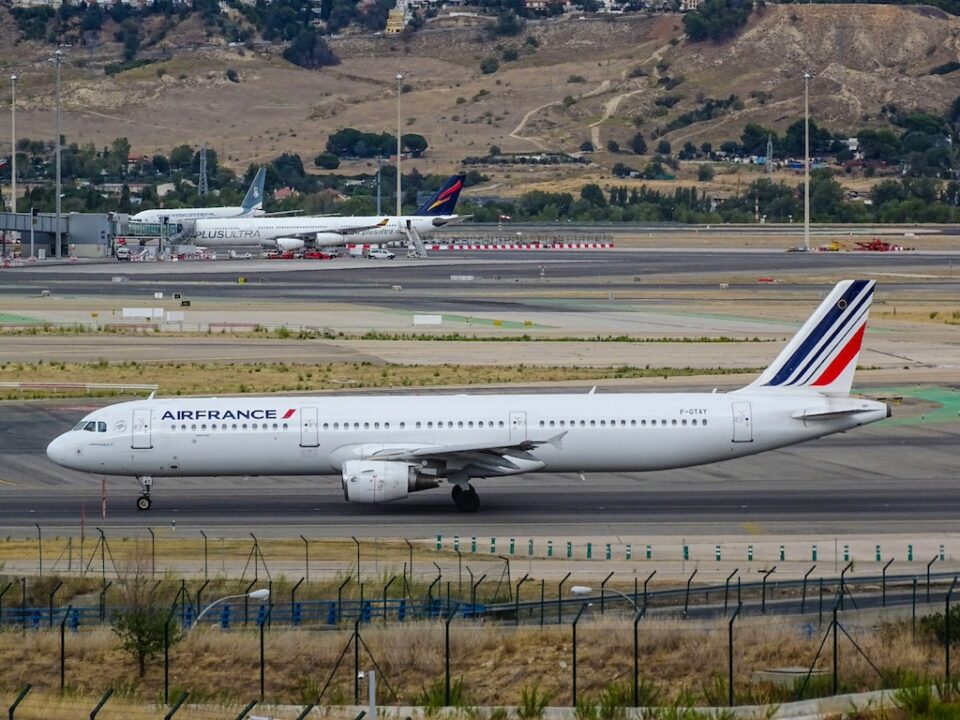
The group has doubled long-haul fuel surcharges from €50 to €100 per return trip. Flights to North America now carry an additional €70 on new bookings.
On 16 April, KLM announced the cancellation of 80 return flights within Europe in the coming months.
Air India
The airline is replacing its flat domestic surcharge with a distance-based system and increasing international surcharges to between $24 and $280, citing the absence of price controls on aviation fuel.
Airline Operators of Nigeria (AON)
The body had threatened a nationwide shutdown over a reported 300% increase in Jet A1 prices before suspending the plan, accusing fuel suppliers of artificially inflating costs. Despite exporting fuel products, domestic shortages persist.
Air New Zealand
The airline will cut around 4% of flights (approximately 1,100 services) across May and June.
Akasa Air
The Indian carrier has introduced a surcharge of 199 to 1,300 rupees (roughly €2.20 to €14.50).
Alaska Airlines
The US carrier has raised checked baggage fees by $5 for the first bag and $10 for the second, with third-bag fees rising by up to $200.
American Airlines
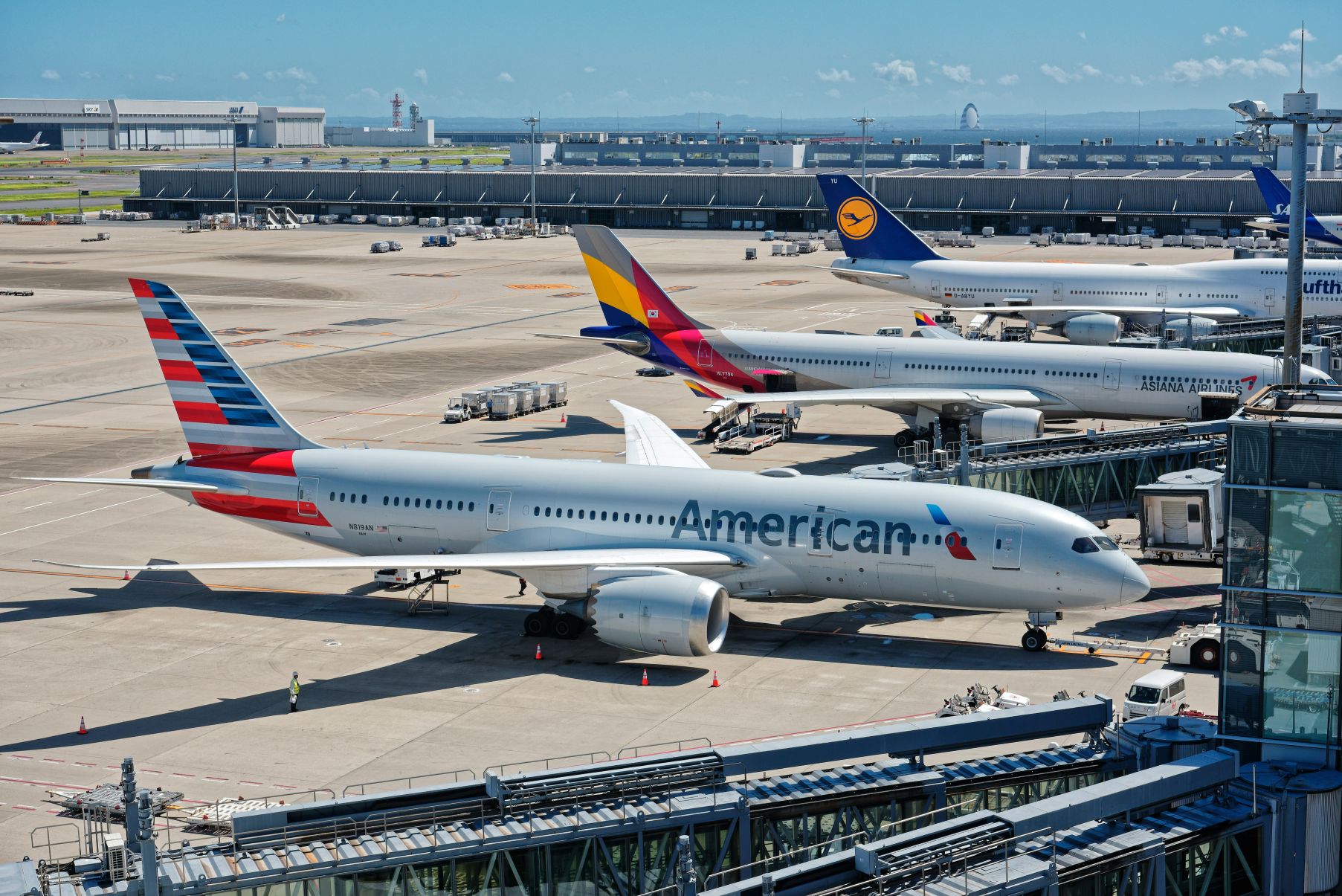
Similarly, baggage fees have increased by $10 for first and second bags, with the third set at $200. The airline expects an additional $400 million in fuel-related costs in the first quarter.
Asiana Airlines
The South Korean carrier plans to cut 22 flights between April and July.
Cathay Pacific
The airline will reduce passenger flights by around 2% from mid-May to late June, and 6% at its low-cost subsidiary HK Express. It has also introduced fuel surcharges of up to 34%, reviewed fortnightly.
Cebu Air
The Philippine carrier said it is continuously reviewing pricing and operational adjustments.
China Eastern Airlines
Fuel surcharges have been introduced on domestic routes, ranging from 60 yuan (under 800 km) to 120 yuan for longer flights.
Delta Air Lines
Capacity will be reduced by 3.5%, alongside a $10 increase in baggage fees. Profit forecasts have been lowered amid continued volatility.
easyJet
The UK low-cost carrier warned of a wider-than-expected pre-tax loss of £540–560 million, including £25 million in additional fuel costs in March. CEO Kenton Jarvis said passengers should expect higher fares by late summer as fuel hedges unwind.
Frontier Airlines
The US airline is reviewing its full-year fuel outlook.
Greater Bay Airlines
Fuel surcharges have been introduced across most routes, with significant increases on flights between Hong Kong and the Philippines.
Hong Kong Airlines
Surcharges have risen by up to 35%, reaching HK$384 on certain long-haul routes.
British Airways (IAG)
The group said in March it did not plan immediate fare increases, having secured fuel hedging for the short to medium term.
IndiGo
India’s largest airline has introduced revised surcharges of up to 950 rupees domestically and up to 10,000 rupees (around €110) internationally. It is lobbying for lower fuel taxes.
JetBlue Airways
Optional service fees, including baggage, have risen by up to $9.
Korean Air
The airline has entered emergency management, implementing cost-cutting measures and phased responses tied to fuel price developments.
Lufthansa
The group has grounded 27 short-haul aircraft earlier than planned and will retire four Airbus A340-600 jets by the end of summer, alongside further fleet reductions in winter 2026/27.
Pakistan International Airlines
Domestic fares will rise by around $20, and international fares by up to $100.
Qantas
The airline has postponed a A$150 million share buyback and increased its projected fuel bill for the second half of 2026 to between A$3.1 billion and A$3.3 billion.
SAS
The Scandinavian carrier has cancelled at least 1,000 flights in April, following earlier cancellations in March.
Spring Airlines
The Chinese low-cost carrier has raised domestic fares.
Southwest Airlines
The American announced a $10 for the first and second bag and $45 or $50 first and second.
TAP Air Portugal
The airline said fare increases will only partially offset rising fuel costs, warning that cancellations remain possible if the crisis persists.
Thai Airways
Fares have risen by 10–15% in response to fuel prices.
SunExpress
The Turkish Airlines–Lufthansa joint venture has introduced a temporary €10 surcharge on routes between Turkey and Europe. The surcharge will apply to bookings made from 1 April for departures on or after 1 May.
Turkish Airlines
The airline will not distribute dividends from its 2025 profits, preserving cash despite strong passenger growth.
T’way Air
The South Korean low-cost carrier plans temporary unpaid leave for some cabin crew as part of cost-cutting measures.
United Airlines
The airline is cutting unprofitable routes over the next two quarters and increasing baggage fees by $10 across the Americas.
VietJet
The airline is adjusting frequencies on selected routes while maintaining its full international network.
Vietnam Airlines
Plans include cancelling 23 weekly domestic flights and requesting government support to remove environmental taxes on jet fuel.
Virgin Atlantic
Fuel surcharges will double, and the airline has warned it may not return to profitability this year.
Virgin Australia
The carrier expects fuel costs to rise by A$30–40 million and will reduce capacity by around 1%.
WestJet
A temporary surcharge of up to C$60 per booking has been introduced.
(Conversions: $1 ≈ €0.93 – ₹1 ≈ €0.011 – ¥1 ≈ €0.0065 – HK$1 ≈ €0.12 – C$1 ≈ €0.68 – A$1 ≈ €0.60)