


The first video ever uploaded to YouTube has been added to the collection of the Victoria and Albert Museum in London. The 19-second clip, titled “Me at the zoo”, was uploaded in April 2005 by YouTube co-founder Jawed Karim. Two decades later, the simple recording is being preserved as a milestone of digital culture, capturing the moment online video sharing began. Visitors can now watch it as part of a wider exhibition on modern design, technology, and digital media.
The museum has acquired a reconstructed version of the early YouTube watch page, allowing visitors to see the platform as it appeared online in its infancy. Corinna Gardner, Senior Curator of Design and Digital at the V&A, highlighted the importance of the acquisition: “This snapshot of YouTube in its early days marks an important moment in internet and digital design history. It gives us new ways to explore how online platforms have shaped culture and creativity.”
YouTube CEO Neal Mohan welcomed the acquisition, highlighting the video’s cultural significance. “It’s wonderful to see ‘Me at the Zoo’ join the Victoria & Albert Museum’s collection. What started as a simple 19-second moment of self-expression became a new way for people to share their stories with the world,” he said.
Though brief, the clip is historically significant. In it, Karim stands in front of elephants at the San Diego Zoo and comments on their long trunks. Filmed with a low-resolution camera, the video helped launch a platform where anyone could create and share content, paving the way for millions of influencers, content creators, and YouTubers who now reach global audiences and shape culture. Since its upload on 23 April 2005, it has been watched hundreds of millions of times.
The V&A spent roughly 18 months reconstructing the original page, working with YouTube’s UX team and the London-based interaction design studio oio.studio. They relied on website code preserved by the Internet Archive to replicate the interface as it appeared on 8 December 2006, the oldest documented snapshot available. Visitors can now see not just the video, but the entire experience of early YouTube, including interface layout and even banner ads from that period.
The acquisition also reflects a broader shift in how museums are collecting culture in the digital age. Traditionally, institutions like the V&A focused on paintings, sculptures, historic objects, and decorative arts, but digital platforms, websites, and internet culture are increasingly being preserved. Examples include the famous Dancing Baby viral clip from 1996, and Nyan Cat, a pixelated animation that even became an NFT. Similarly, early computing technology is now displayed in museums like the Computer History Museum in Mountain View.
“Me at the Zoo” highlights YouTube’s impact on modern media. Founded in 2005, the platform allowed anyone to upload videos, transforming how people create, share, and consume content. This short clip marked the start of the creator economy, paving the way for millions of content makers, from educational creators to travel vloggers, who now reach global audiences and influence culture worldwide.
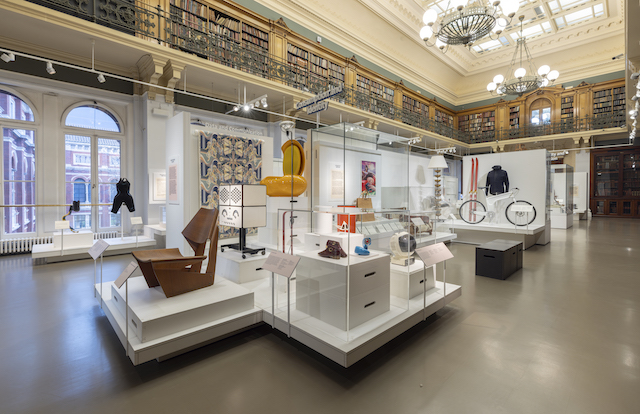
For travellers visiting London, the V&A is a must-see destination. Located in the cultural district of South Kensington, it is one of the world’s largest museums of art, design, and decorative arts. The display of “Me at the Zoo” is housed in the Design 1900–Now gallery at the South Kensington site, which explores how design, technology, and everyday objects shape modern life. Visitors can explore millions of objects spanning more than 5,000 years of history, including fashion, furniture, photography, ceramics, sculpture, and digital design.
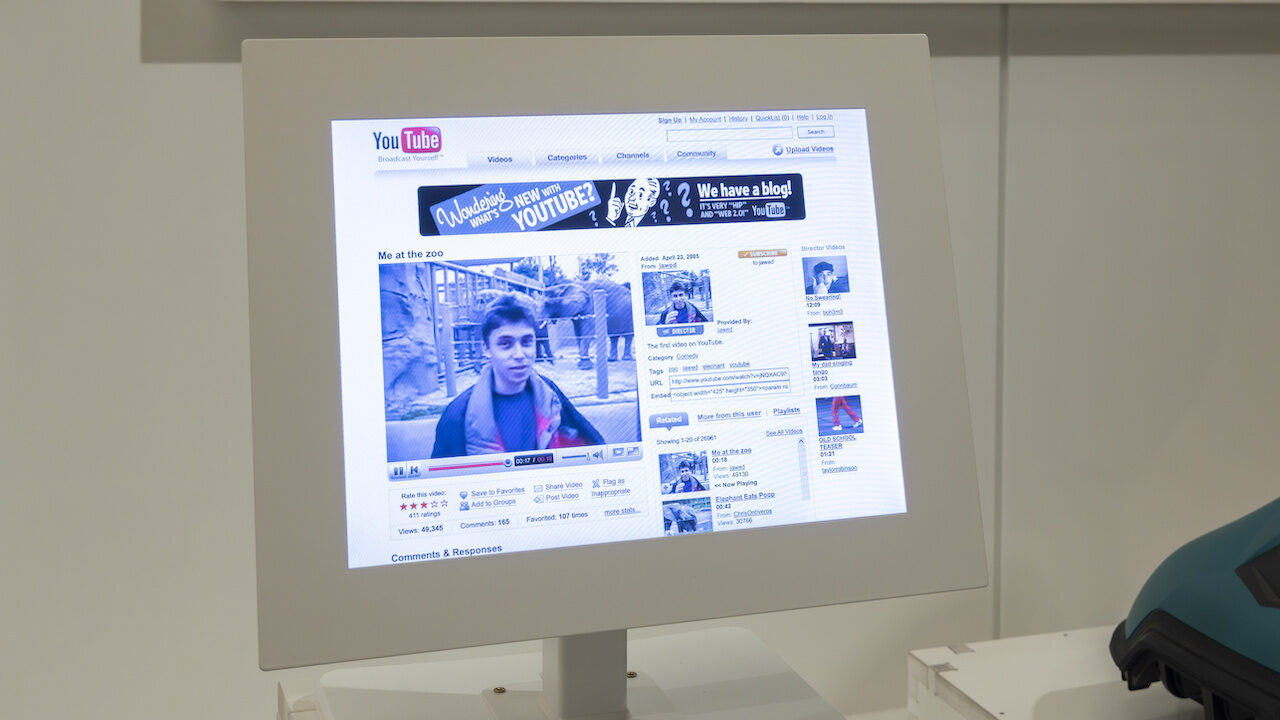
Additional material on the reconstruction of the early YouTube page is on show at the V&A East Storehouse in Stratford, offering a behind-the-scenes look at how digital culture is preserved for future generations. With this exhibition, the museum highlights how the digital world, once considered fleeting, has become an important part of cultural history, bridging traditional collections with the online experiences that continue to shape modern life.