

The travel sector in the United States is once again being affected by a federal government shutdown, with transport security staff absent due to lack of pay and travellers facing delays so long that they have missed flights and connections.
The Transportation Security Administration (TSA) is overseen by the Department of Homeland Security, which has been on partial shutdown since Congresspeople failed to reach a budget agreement in mid-February 2026. It’s the second time within months that federal government workers have been required to work without pay because of a political impasse.
Around 50,000 TSA officers are among those expected to continue without a salary, but more than 300 of them have resigned since the shutdown started, CBS News reports. Absences at major US airports have been over 10% on some dates, and, in some places, they have been far higher: 53% on 8 March 2026 at William P. Hobby Airport in Houston; 21% average at John F. Kennedy International Airport in New York; and 19% at Hartsfield-Jackson Atlanta International. That’s compared to a usual absence rate of around two percent.
@landys_land Showing up almost 6 hours early for your flight and realizing… that still wasn’t early enough. Houston Hobby TSA had us fighting for our lives. 😭✈️ #houstonairport #houstonhobbyairport #governmentshutdown #viral #fyp ♬ Oh No – Kreepa
The situation could deteriorate rapidly if the crisis shows signs of lasting as long as the late 2025 shutdown, which was the longest in US history at 43 days and saw 1,100 security staff quit, according to ex TSA Administrator John Pistole. Worker representative Marcos Crespo, the vice president of American Federation of Government Employees Local 1260, told 8 News Now that the next paycheck missed could be make or break for some employees. “This paycheck coming up, we’re going to miss completely. So it’s going to really start affecting people come this weekend,” he said. “It’s definitely going to start getting worse and worse.”
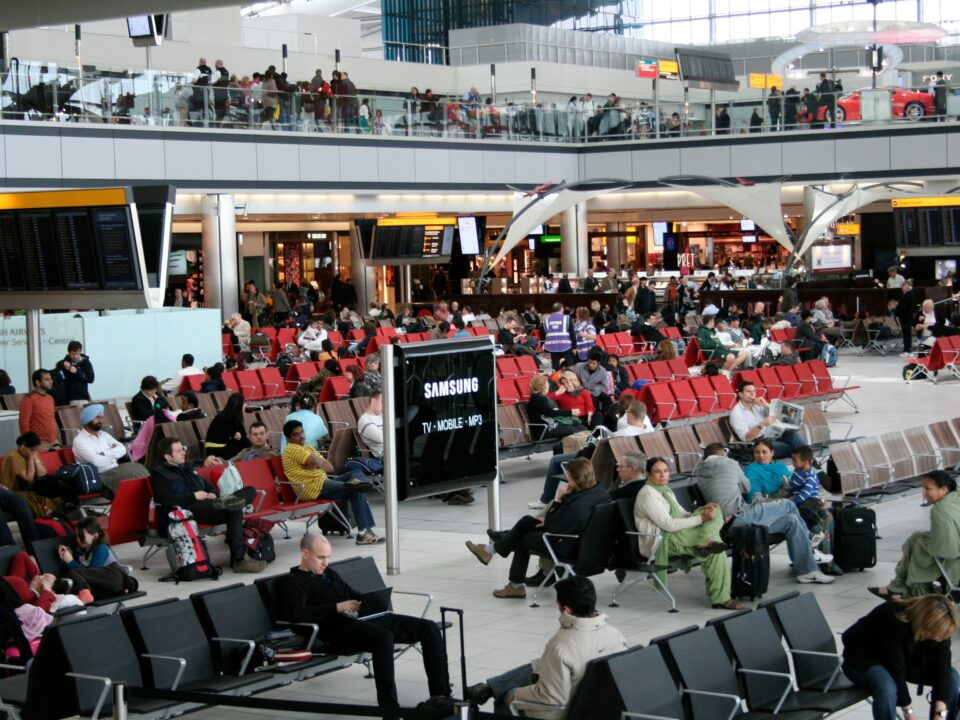
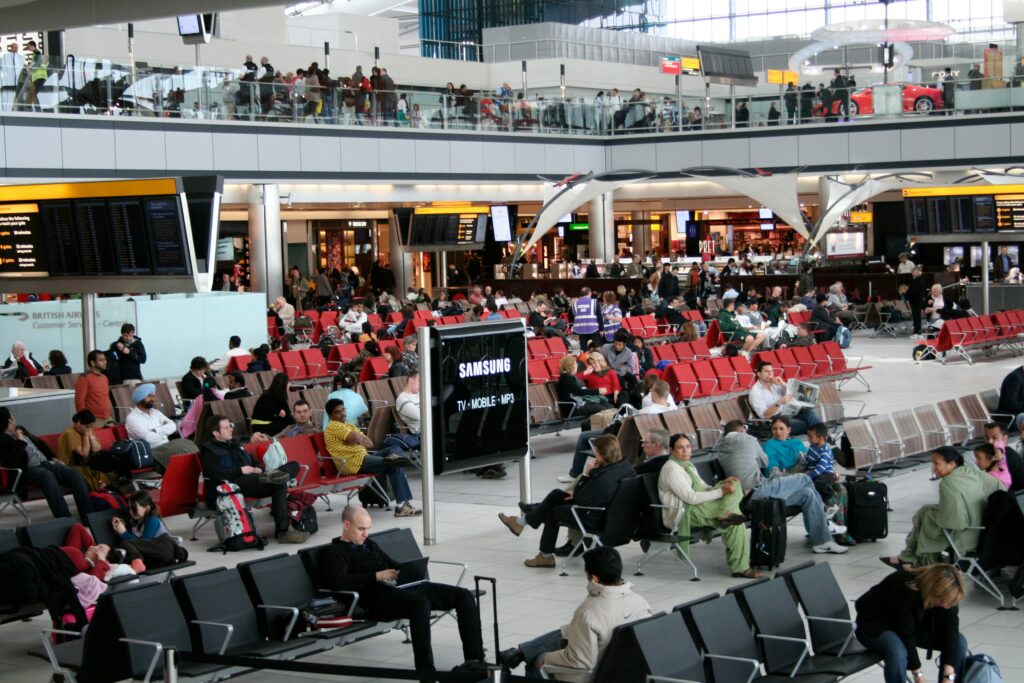
Even now, the impact on the travelling public is significant. Waiting times at many airports are exceeding peak rush hour delays, and queues for security screening are filling terminal buildings and spilling outside. The situation has also been exacerbated by bad weather incidents that have disrupted schedules, such as the historic blizzard that struck on 23 February.
@landys_land Showing up almost 6 hours early for your flight and realizing… that still wasn’t early enough. Houston Hobby TSA had us fighting for our lives. 😭✈️ #houstonairport #houstonhobbyairport #governmentshutdown #viral #fyp ♬ Oh No – Kreepa
Ironically, tracker tools aimed at helping travellers understand wait times and plan their travel accordingly are also down or not being updated because of the shutdown. At this time, the information available in individual airport and airline updates, for example, on social media or carrier apps, is likely to be the most accurate.
While some frequent travellers are reportedly becoming accustomed to the constant disruption, the wider optics of queues snaking around airport buildings are not good for a beleaguered US travel sector that has already been hit by the so-called Trump Slump amid negative consumer sentiment. And, on the subject of confidence, the long-term consequences for the industry could include future recruitment problems, as would-be TSA candidates opt out of a job where they are increasingly frequently asked to work for nothing. Hardly the American Dream.