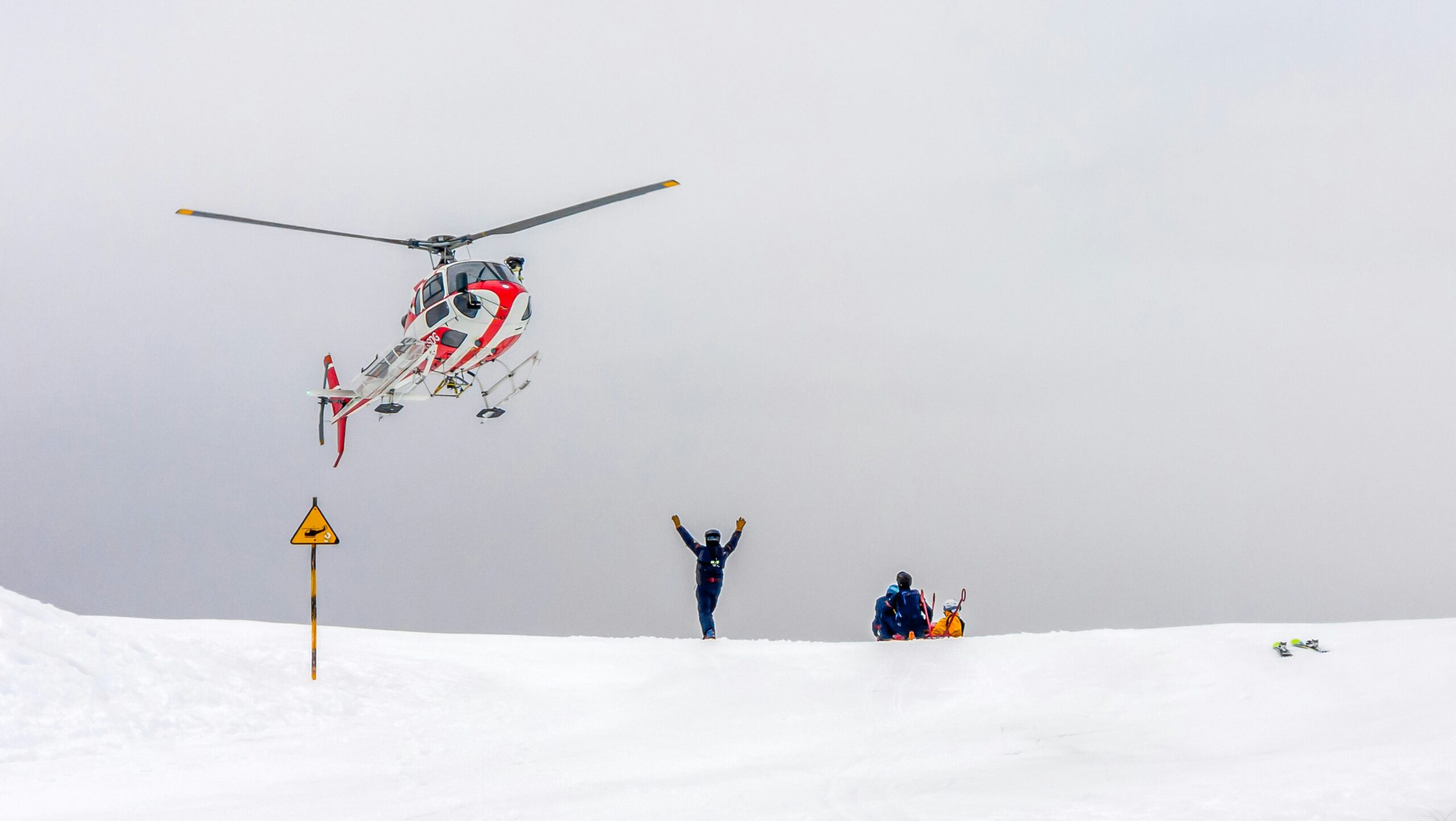


France is considering charging hikers and climbers for the cost of mountain rescue operations, amid a surge in safety incidents that is straining purse strings. Both foreign visitors and French nationals could find themselves responsible for paying the bill for emergency callouts under the proposals.
The French funding auditor Cour des Comptes has published a review in which it recommends “clarifying the conditions for using helicopters and initiating changes to the regulatory framework to allow, where appropriate, for billing of interventions and more effective penalties for risky behaviour and misuse of rescue services.”
The cost of a mountain rescue involving helicopters and expert teams has doubled in the last decade and now averages €10,780. Around 10,000 operations took place in 2024, an 18% increase since 2018, and a 40% rise in medical helicopter callouts. The data represent an overall annual spend of €107 million, the spending watchdog said. With the figure exceeding the budget allocation put aside by the French state, the situation is unsustainable, the body points out.
@off_this_wrld Nearly died fr #hiking #mountainrescue #epicviews #hikinguk #insane ♬ 143 ways to lose urself – usedcvnt
Outdoor sports have grown in popularity, with increasing numbers of hobbyists taking up mountain leisure pursuits. Climate change and its impact on snow stability and mountain weather conditions are also worsening the situation.
One solution is to make those who use the services pay the government back, as is the case in a range of other European destinations, the Cour notes. It is common practice to require insurance for mountain activities, and Austria, Germany, Italy, and Switzerland, as well as Himalayan nations, all charge foreign nationals who find themselves in trouble among the peaks.
Foreign visitors to France make up 17% of rescues, but the auditor is suggesting that risky or negligent behaviours, rather than nationality, could define whether or not people are charged. However, rescuers have questioned the idea of making hikers and climbers pay for their services, noting that other activities involve risks that are mitigated without charge.
Yannick Vallençant, of the mountain guides’ union SIM, told the Times: “Why should mountain sports enthusiasts be treated any differently from people who have road accidents? Why question the principle of free mountain rescues when there are many more victims of drowning? And what about health problems caused by smoking? Smokers aren’t forced to take out insurance to continue smoking.”
Vallençant also raised the issue of ensuring that mountain sports remain democratic and accessible to all, adding: “We shouldn’t forget that holidaymakers from across the country go hiking in the mountains. It’s not just a few from the elite. Mountain rescues only cost each French citizen €1.50 a year.”
Others highlight that charging for rescues could disincentivise people who get into difficulties from requesting prompt help and making eventual operations more dangerous and complicated, potentially exacerbating the problem, as Lugares de Aventura has reported.
Meanwhile, French ski resorts are relying on safety campaigns, such as Val d’Isère’s ‘Ski tranquille’, which warns of the dangers associated with excess speed and the consumption of alcohol on the pistes.