
Armenia has announced a temporary suspension of visa requirements for nationals of 113 countries, removing a key travel barrier until 1 July 2026 and opening the doors to more visitors drawn by its historic sites, dramatic landscapes and lively urban culture.
Under the new rules, citizens from a wide range of countries — including members of the European Union, the United States and the United Arab Emirates, among others — can enter Armenia without securing a visa and can stay for up to 180 days in a one-year period. The policy is designed to boost tourism and make spontaneous travel easier for leisure, business and cultural visits with Armenia just a short to mid-haul flight from many European countries.
The visa exemption, which took effect on 1 January 2026, applies to nationals of the 113 designated countries and to holders of valid residence permits, including the EU and Schengen area (Iceland, Norway, Switzerland and Liechtenstein). Visa-free entry has been standard for British passport holders for many years, but this expansion significantly broadens access for travellers worldwide.
Officials have said the move aims to boost the tourism sector by removing administrative hurdles that may have deterred potential visitors. “This decision is a clear invitation to travellers around the world,” said Armenia’s Tourism Committee chairman, Lusine Gevorgyan. “Armenia is open and welcoming, and we look forward to sharing our culture, landscapes and hospitality with more visitors throughout 2026,” she added.
Armenia, a landlocked nation in the South Caucasus highlands, has long been valued by adventure souls, food lovers and culture enthusiasts for its ancient monasteries, rugged mountain terrain and UNESCO-listed heritage sites. “With its ancient monasteries, dramatic mountain scenery, vibrant food scene and rich traditions, Armenia offers travellers a unique blend of history and modern life,” Gevorgyan said.
Visitors arriving without a visa are expected to find plenty to explore. The country’s medieval stone monasteries, such as Haghpat and Sanahin — 10th- and 13th-century complexes in the northern Lori region that were once major religious centres of learning and are now UNESCO-recognised — nestle amid dramatic peaks and deep valleys, offering both a spiritual retreat and scenic hiking opportunities.
Another not-to-miss site is Tatev Monastery, a 9th-century Armenian Apostolic Christian complex near the village of Tatev in Syunik Province, perched on the edge of the Vorotan River Gorge, which plunges some 850 metres below. In its early years, the monastery was home to over 1,000 monks and a community of craftsmen. Visitors can also enjoy sweeping views of the surrounding mountains and valleys, making Tatev Monastery a key cultural and scenic attraction in the region.

Beyond its historic gems, Armenia’s Lesser Caucasus Mountains offer numerous trails ideal for trekking and outdoor adventures, including the Transcaucasian Trail, which stretches over 800 kilometres across the country’s varied landscapes. In winter, the country also offers an affordable and uncrowded skiing experience, with top resorts including Tsaghkadzor, featuring over 30 km of trails, and the modern Myler Mountain Resort with advanced facilities.
“From exploring Yerevan’s cafe culture and museums to discovering hiking trails and UNESCO World Heritage sites, the country provides diverse experiences year-round,” Lusine Gevorgyan highlighted.
The capital city of Yerevan blends monumental Soviet-era architecture with a burgeoning café culture and contemporary arts scene. Museums such as the Matenadaran, holding thousands of ancient manuscripts, and the History Museum of Armenia offer deep dives into the country’s past, while busy boulevards and vibrant cafes invite travellers to linger and soak up local life.
Travel experts highlight Armenia’s vibrant food scene, where visitors can sample traditional staple dishes such as khorovats (grilled meats), tolma (stuffed grape leaves or vegetables), lahmajouns (local pizza), ghapama (stuffed pumpkin) and the iconic lavash bread, paired with locally produced wines and brandies or rich flavoured coffee, served in lively cafés and restaurants that showcase the country’s rich culinary traditions.
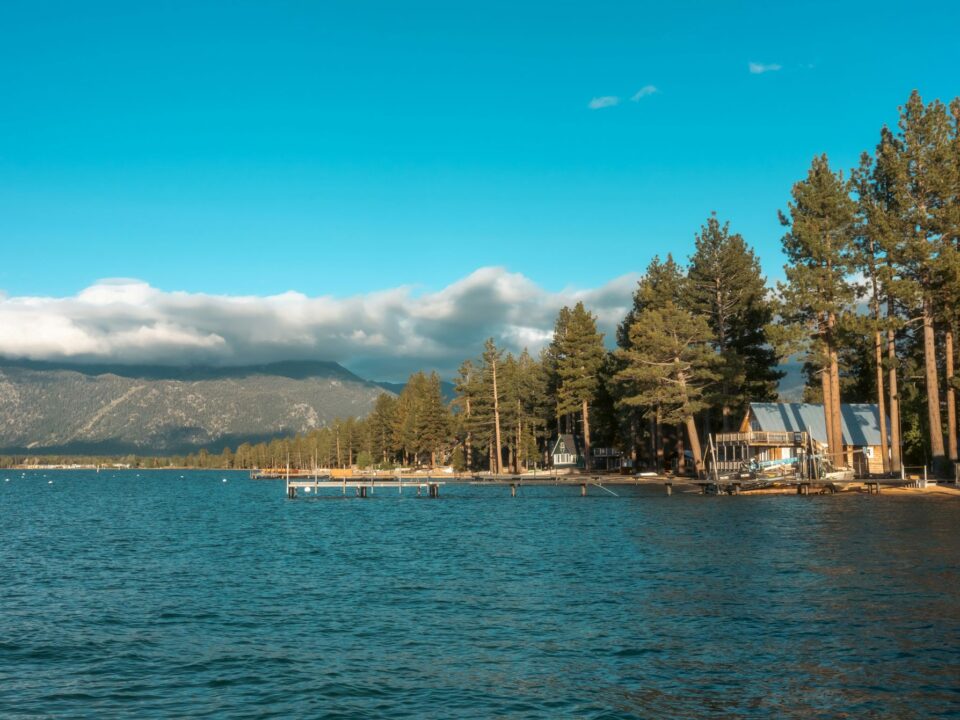
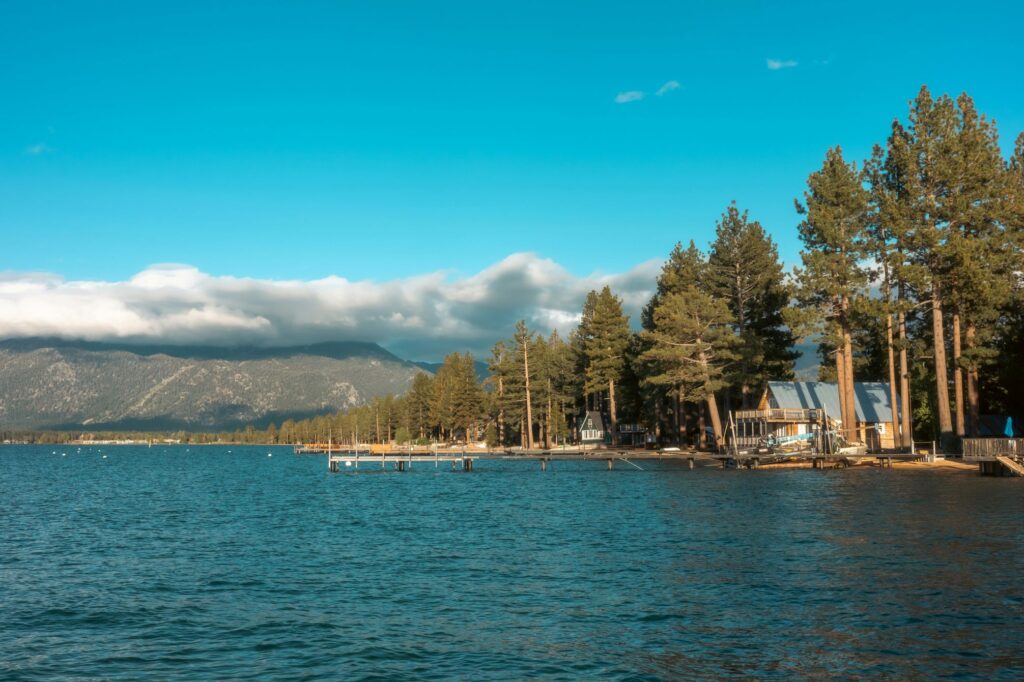
Many visitors are also drawn to Lake Sevan, one of the world’s largest high-altitude freshwater lakes, and to smaller cities like Gyumri, noted for its warm hospitality and rich food scene.

Many visitors are also drawn to Lake Sevan, one of the world’s largest high-altitude freshwater lakes, known for its crystal-clear waters and historic Sevanavank Monastery perched on a hill overlooking the lake. The area is popular for swimming, boating, and sampling fresh fish, particularly the local Sevan trout. Nearby areas offer a taste of traditional Armenian hospitality and cultural experiences, with smaller cities such as Gyumri renowned for their welcoming atmosphere and vibrant culinary scene.
The government has framed the visa-free period as an opportunity for Armenia to strengthen its position on the global tourism map, and that a surge in international visitors this year will support future travel initiatives beyond July.