

In this year’s Responsible Tourism Awards, we have for the first time explicitly included “effectively using tourism, consumptive and non-consumptive, to manage and enhance biodiversity … Ways of using consumptive tourism to maintain a healthy biodiversity mix within fenced protected areas.” Although trophy hunting is reviled by many, it does contribute significantly to the wildlife economy, creating revenue that can fund conservation and compensate communities for the opportunity costs they bear from being fenced out and the damage to crops from wildlife that breaches the fences. I should add that I tried shooting rabbits in my youth, hated it, and never picked up a gun again.
Many ecosystems are unbalanced when the loss of top predators results in large populations of, for example, deer or lionfish, both destructive to the ecosystem of which they are a part. Culling is used to control populations within the ecosystem’s carrying capacity and is very controversial across Africa. Stakeholder views vary, conservation managers often favour waterhole closure “as a natural way to disperse elephants. … tourism stakeholders were more sceptical, with 59% worried that fewer elephants at waterholes would mean fewer sightings for visitors.”
Turning an environmental challenge into an economic opportunity
Cyprus is on the frontline with more than 1,000 invasive marine species entering the Mediterranean. Native fish have been hit hard, with stocks declining by up to 60%. Invasive species make up over half the catch in some places, valueless and discarded. easyJet holidays is supporting the “Fish the Alien Phase II” initiative, working with fishers, chefs, and hotels to introduce invasive species into local menus. This reduces pressure on native species, reduces invasive species by harvesting and eating them, and provides an enhanced sustainable dining experience for holidaymakers and employment for local people.
Lionfish are highly destructive, non-native predators. They possess venomous spines, reproduce rapidly (2 million+ eggs yearly), and have no natural predators, causing devastating 79–95% declines in native reef fish populations.
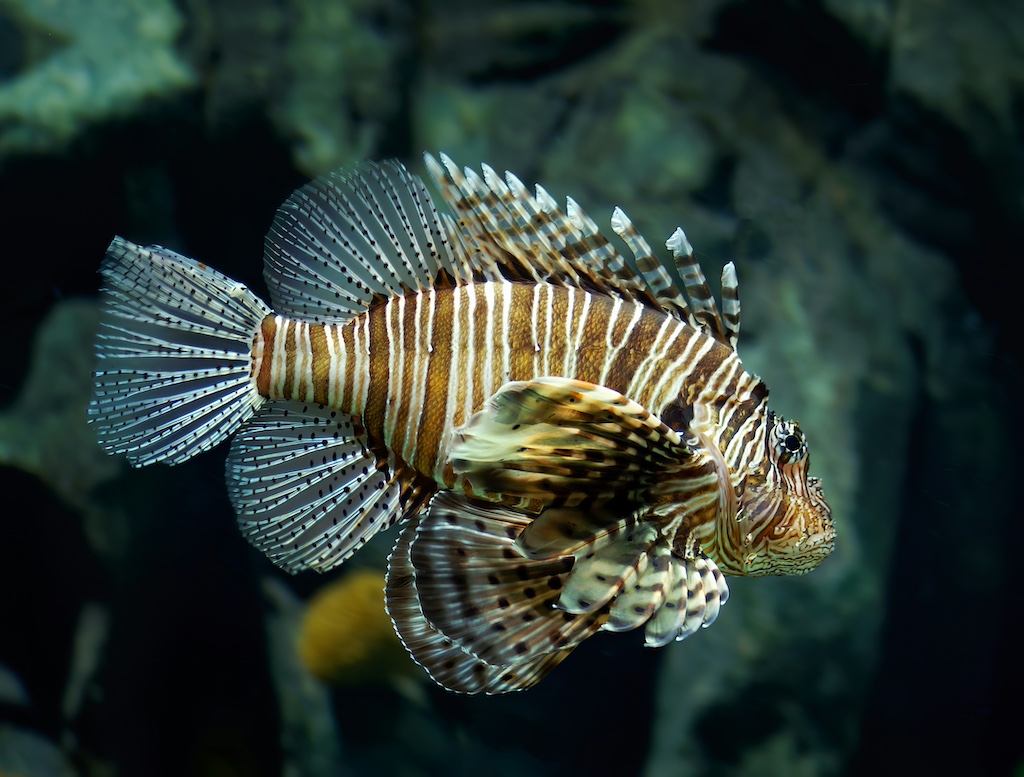
The Invasive Catch Alliance “promotes invasive fish as sustainable and delicious seafood, educating the public to make responsible food choices and protect Cyprus’ marine biodiversity as part of the holiday experience.”
In December, the Independent captured the story “Cyprus fishermen turn venomous species into tavern delicacy. The invasive lionfish have spread. Some are trying to eat the problem.”
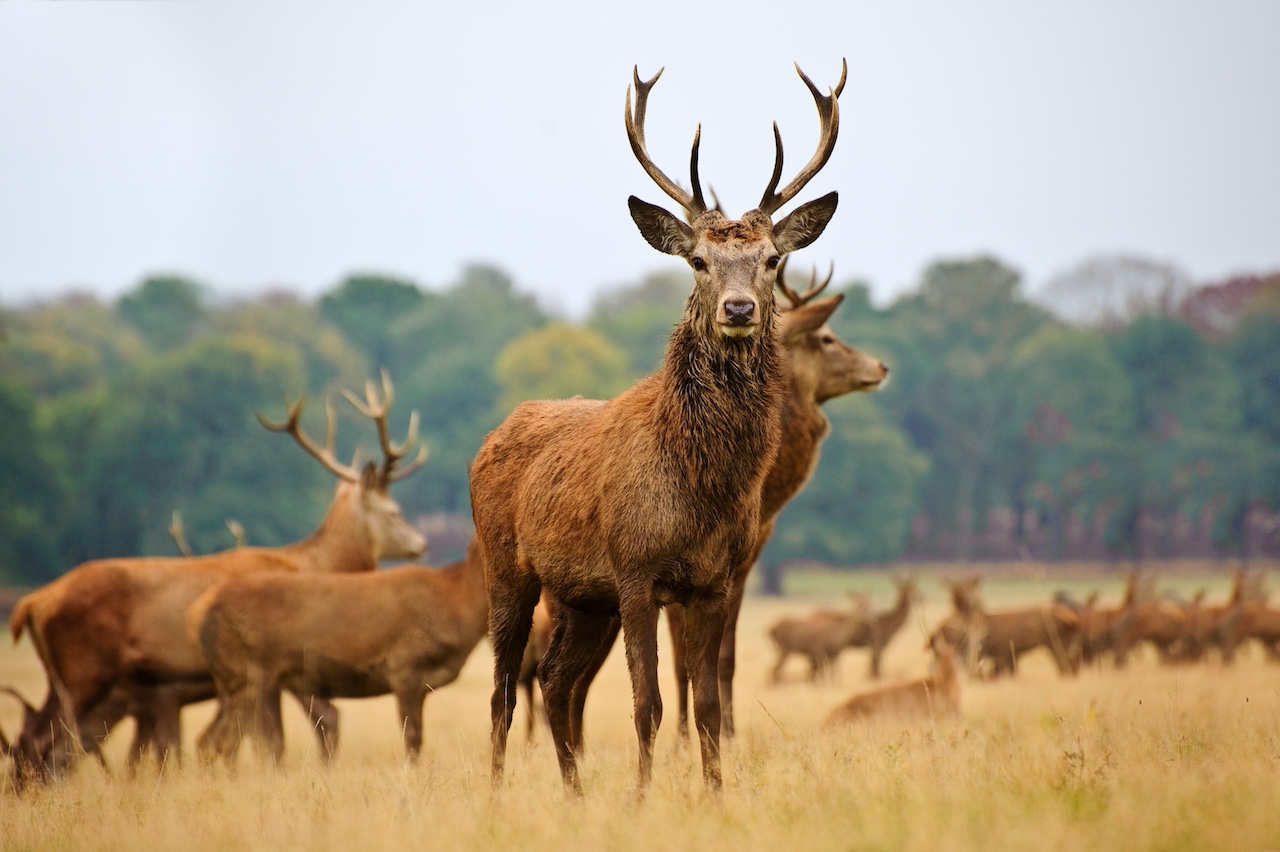
According to NatureScot there are up to 400,000 red deer on open ground and up to 105,000 in woodlands, as well as up to 300,000 roe deer, 25,000 sika and at least 8,000 fallow deer. Numbers have roughly doubled since 1990. Red deer in particular are an iconic species with cultural significance in Scotland but in large numbers and in the absence of natural predators they are having damaging impacts on Scottish ecosystems, deer populations need to be reduced to bring them into balance with the rest of nature. The Scottish Wildlife Trust recognizes that “ repealing the Venison Dealer’s License could serve to remove some of these barriers by making the sale of venison accessible to smaller, independent dealers, thereby increasing the supply of affordable local venison to communities.”
Shooting, processing and retailing venison for consumption in order to reduce the deer population requires that the venison can be sold at a price and volume sufficient to fund the culling. The British Deer Society reminds us that “Populations are strong, widespread, and professionally managed. Venison is harvested with skill and respect, inspected, processed, and sold through butchers, farm shops, and direct from larders. It appears on Michelin menus and in village pubs alike. Supply exists.”
But it is overlooked.
“Venison ticks every box consumers claim to care about: local, high-welfare, low-impact, nutritious. Wild deer live free and die without transport stress. In a rational food system, venison would sit beside beef, pork, and chicken. Instead, it is treated like a visiting aristocrat: wheeled out seasonally, dressed up in juniper and port, then retired until autumn. The food economy prefers uniform, shrink-wrapped, price-matched protein. Venison is none of those things: it has seasons, it varies, it demands attention.”