

Sandhra Santhosh is the curator of Oorva, pursuing a vision to build the world’s largest trusted network for intangible heritage. For travellers and business partners, they offer a structured, safe way to access deep cultural experiences through verified, authentic experiences, standardised quality and safety, and transparent pricing. For hosts, Oorva provides the platform for them to share their culture with the world on their terms, keeping 100% of what they earn.
Sandhra wrote a powerful post on LinkedIn this week about the Footfall Trap, a phrase I suspect she created, a quick search on Google found some ugly images of animal and man traps. I am grateful to Sandhra and will be using the phrase, it is powerful. As she points out “High arrivals often mean: crowded sites, rushed visits, low spending, and minimal local benefit.”
Oorva is developing a scalable rural tourism model, preserving intangible lived cultural heritage and empowering local economies. As Sandhra points out in her LinkedIn piece, “value isn’t created by how many people pass through – it’s created by “how long they stay and how meaningfully they engage.” “… destinations like Kerala quietly prove a different model: fewer visitors, longer stays, deeper experiences, higher spending.”
Kerala’s Responsible Tourism strategy has delivered for its people.
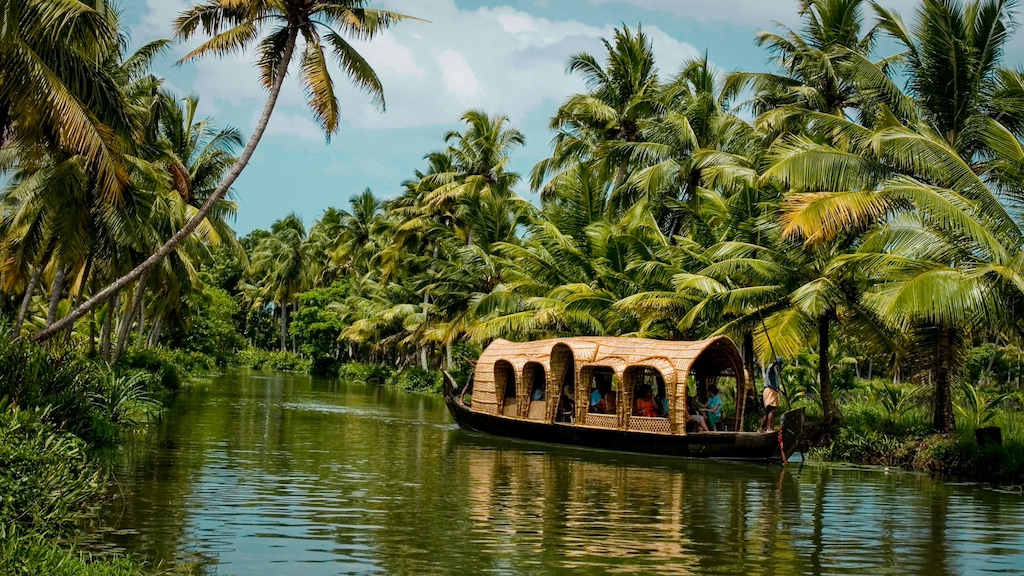
Kerala’s tourism is now deeply rooted in its local natural and cultural heritage and its lived culture, creating multiple additional income streams for local communities, avoiding dependency. Kerala’s tourism economy, reshaped since 2008, has met the growing demand for experiential tourism.
Kerala has not been alone in changing the way it uses tourism. At the World Governments Summit in Dubai earlier this month, H.E. Gaston Browne, prime minister of Antigua and Barbuda, spoke about redefining tourism value.
We observed over the years that the volume of tourism that we were chasing did not create the type of returns to uplift our people. We’ve been transitioning our tourism product into a high-value product, one in which our culture is actually integrated into our tourism product. We’re getting more return tourists, and the visitor spend has increased significantly to the extent that our people are earning higher salaries and the actual rating of the destination has improved significantly. Antigua and Barbuda is now emerging as one of the most significant luxury destinations within the Caribbean.
By prioritizing value over volume, Antigua and Barbuda is strengthening its tourism returns, boosting incomes, and positioning the country as a premier luxury destination in the Caribbean.
— World Governments Summit (@WorldGovSummit) February 4, 2026
Join the conversation.
🗓️ 3–5 February 2026
Dubai, United Arab Emirates pic.twitter.com/KKfXGZST2p
Kay Walten published a Field Note on Tulum in January; make time to read it.
“Tulum was marketed as low-density, natural, and intentional. What followed was development without proportional investment in infrastructure, housing, or public access. Tourism revenue surged. Resident costs surged faster. No single actor caused it. But no one stopped it while they were still profiting. And no one stepped in when the gap became obvious.”
Kay is right, “Tulum isn’t an anomaly. It’s a preview. This same sequence is playing out in destinations where demand outpaces management. Where marketing accelerates faster than operations can follow. If any part of this walk feels familiar, it’s because the same conditions are already in place.”
The key question any community must ask is “Will they use tourism, or will they be used by it?” Village communities across Kerala rebelled and successfully sought to use tourism.
Justin Francis of Responsible Travel wrote a few days ago on LinkedIn about visiting “Applecross in Northwest Scotland. … a remote area, defined by its fragile single-track roads and accessed by only two points—one of which is a narrow, alpine-style mountain pass.”
“According to residents, they were never consulted before being incorporated into the “NC500” driving route and its surrounding marketing program. The result has been severe road disruption, much of it caused by day-trippers and motorhome users who often leave little economic benefit behind.”
As Justin argues, marketers “should have a formal, statutory duty to consult local communities before promoting them … when tourism is managed by private entities, such as North Coast 500 Limited, there should be clear regulations ensuring residents can opt out before marketing begins. … While Applecross is now well-known, there is no reason why the community should not be removed from official NC500 maps if they so desire.”
As Tourism Concern reminded us for years, “we take our holidays in other people’s homes”. Kerala has managed it well, benefiting hosts and guests; there is much to learn from the work of the Kerala Responsible Tourism Mission Society.