


Canadian airlines are scaling back operations to the United States as demand for cross-border travel weakens. Carriers have cut frequencies, suspended routes and, in some cases, removed US destinations entirely from their schedules. The reductions affect both summer capacity and bookings later in the year. Industry data shows airlines are now operating fewer flights and offering fewer seats between the two countries than in 2025, reflecting a clear shift in demand.
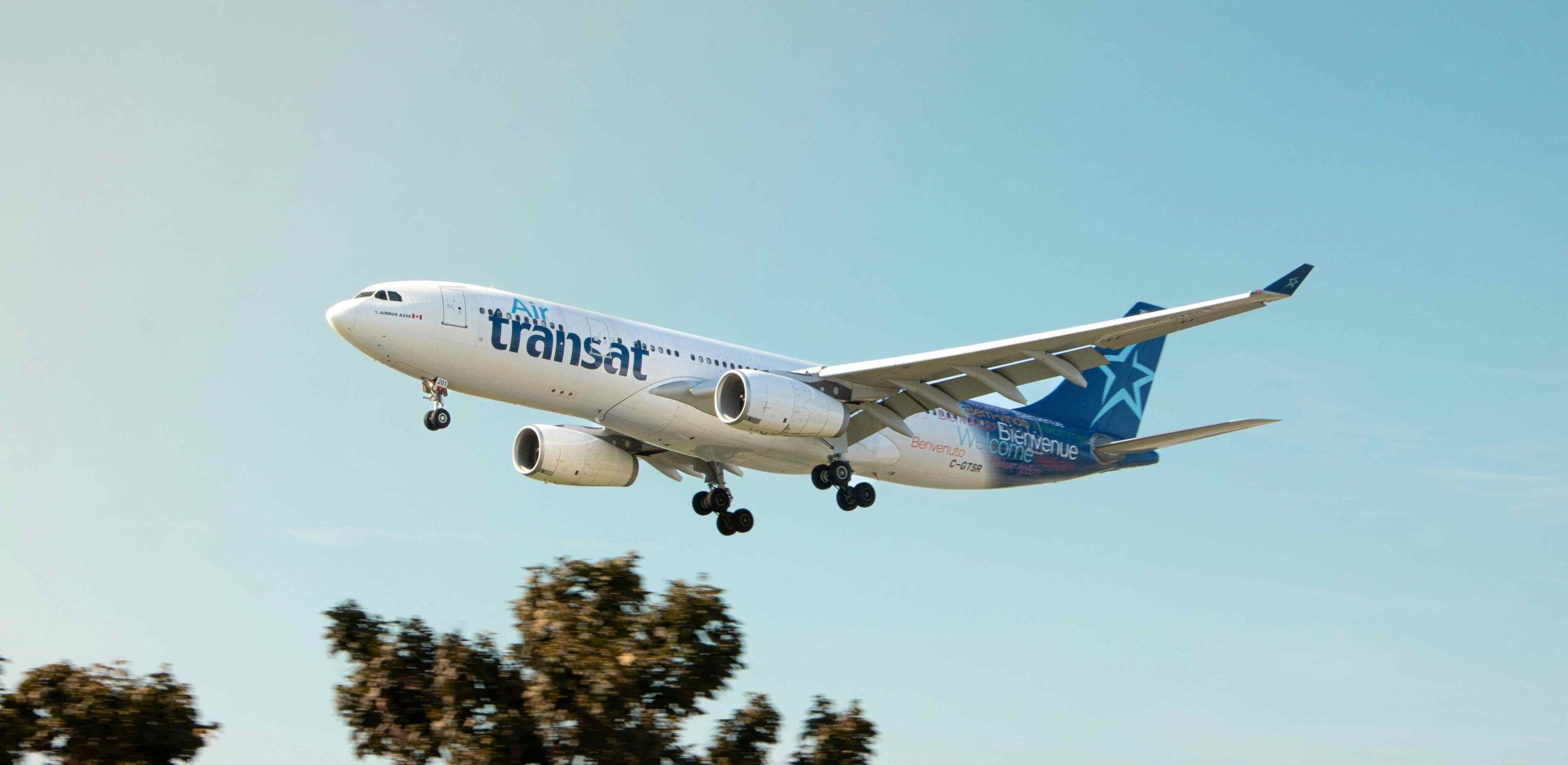
One of the most significant pullbacks comes from Montreal-based Air Transat, which will cease flying to the US this summer. The carrier has removed its final three US routes from its schedule. Flights from Montreal to Orlando will end on 4 May 2026, while services from Montreal and Quebec City to Fort Lauderdale will conclude by mid-June. As recently as March last year, Air Transat operated nine US routes, but that number steadily declined ahead of the decision to withdraw from the market completely.
Air Transat focuses mainly on leisure travel, meaning holiday routes to destinations in Europe, the Caribbean and South America. Before the cuts, only two of its 67 destinations were in the United States, which the airline described as a marginal presence. The company said the decision forms part of proactive capacity management, a term used in aviation to describe shifting aircraft to routes where demand is stronger. Its winter programme to Florida has not yet been confirmed and will be reviewed later.
Other airlines are also scaling back. WestJet has suspended 16 US routes for the summer season, including major city connections such as Boston to Vancouver and Los Angeles to Toronto. The carrier has reduced its full-year transborder flying by close to 10 percent. According to aviation analytics firm Cirium, WestJet’s July schedule to the US was reduced by 26.2 percent following the latest changes. Across the market, airlines are operating 6.2 percent fewer flights and offering 10.1 percent fewer seats between the US and Canada compared to February 2025.
The airline pullback follows eight consecutive months of declining Canadian travel to the United States. Figures from Statistics Canada show that the drop has affected both road and air travel. In August 2025, road crossings into the US fell by 34 percent compared to the same month in 2024, following a 37 percent decline in July. Air travel declined by 25 percent in August after a 26 percent drop the month before. Since April, the year-on-year decrease in Canadian visits to the US has remained in double digits.
The decline has been far steeper than the reduction in US travel to Canada. In August, five percent fewer Americans travelled by car to Canada, while air arrivals fell by four percent. Meanwhile, Canadian domestic tourism has strengthened. The World Travel & Tourism Council forecasts that domestic tourist spending in Canada will reach 104 billion US dollars (€88 billion) by the end of 2025, an increase of eight percent year on year. Some Canadians are also redirecting their travel budgets to Europe, Mexico and Latin America.
Major attractions in the United States are feeling the impact. Tour operators report a 30 percent drop in bookings for US Disney holidays from Canadian travellers. At the same time, more Canadians are choosing alternatives such as Disneyland Paris. Flight analytics from Cirium show Canadian bookings to the US were down 17 percent between October 2025 and January 2026. Official data from the US National Travel and Tourism Office indicates that four million fewer Canadians visited the US in 2025, representing a 22 percent decline.
The trend extends beyond theme parks to outdoor tourism and the wider hospitality sector. Intrepid Travel has reported a 42 percent drop in bookings for US national park trips in 2026, with Canadian bookings down by 93 percent. Hotel groups are also seeing uneven results. Hilton Worldwide reported stronger revenue performance in most regions except the United States, while Marriott International has signalled concern about international demand. Together, the airline cuts and visitor data show how reduced traveller confidence is reshaping travel flows between Canada and the United States.