The US government has introduced a new scheme for travellers who want to reduce the time they spend at airport security, with new, faster lanes being opened. There’s just one catch: travellers who want to use them will need to agree to have their face scanned. While the TSA continues to negotiate with the Department of Homeland Security (DHS), 15 airports across the USA now offer this technology.
The DHS has introduced new software in TSA PreCheck touchless lanes, which are separate from the regular ones. As more passengers opt for the faster lanes, the regular queues are becoming even slower. The system was first deployed in 2021 at Dallas/Fort Worth International Airport and has since expanded to 15 airports across the United States: Chicago O’Hare, Dallas/Fort Worth, Denver, Detroit Metropolitan, Harry Reid, Hartsfield – Jackson Atlanta, JFK, LaGuardia, LAX, Newark, Portland International in Oregon, Ronald Reagan, Salt Lake City, San Francisco, and Seattle – Tacoma.
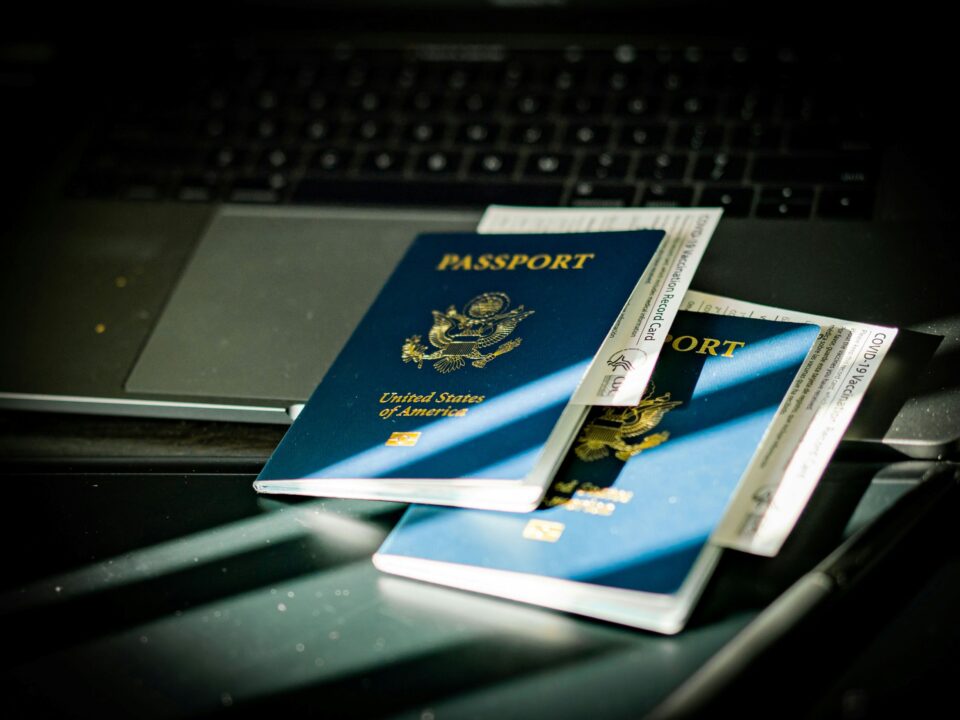
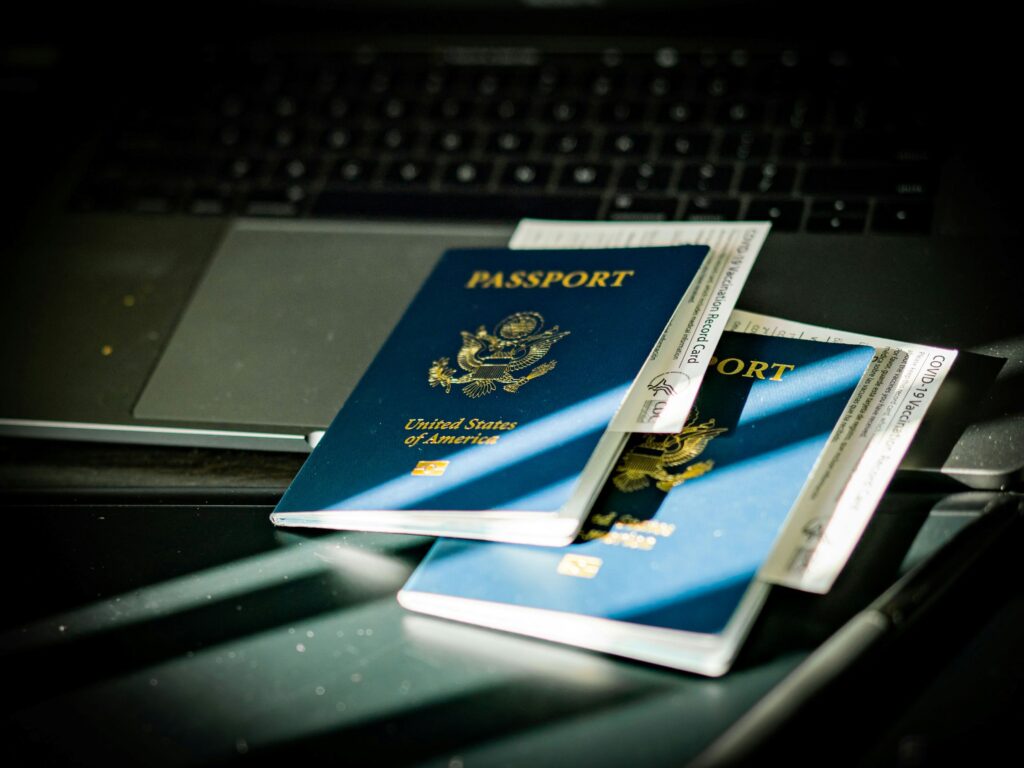
Use of the technology is not yet universal in these airports and, in some cases, it works only with certain airlines. To be eligible for the programme, travellers must be TSA PreCheck members with a valid Known Traveller Number and be enrolled in an airline loyalty programme. They must also, of course, be in possession of a valid passport.
Travellers who meet the requirements and agree to have their face scanned are promised a smoother experience. Rather than queuing to have their passports checked, they can walk directly to the luggage X-ray machine. However, critics say that the fast lanes are currently only faster because relatively few passengers are using them, and they warn of machine errors, bugs, and maintenance issues once the system is scaled up.
How willing are Americans to give up their privacy and be ‘filed’? A Senate bill now proposes that scans should only verify identity and be erased immediately after the check is complete. It also states that airlines should clearly inform passengers of their right to refuse.
In 2019, photos of US travellers were compromised when a DHS subcontractor was hacked, raising fears of further breaches. Although the TSA claims that its database is encrypted and that passengers’ information is protected, concerns remain.
You have the power to opt out of @TSA's facial recognition overreach using your approved ID.
— Senator Jeff Merkley (@SenJeffMerkley) July 29, 2025
Protect freedom. Protect privacy. Opt out. pic.twitter.com/8ZbFBAxIiH
However, airlines have rejected these measures, citing efficiency and speed as reasons for doing so. Airlines for America, which represents major carriers including United, Delta and American, said the bill would ‘increase wait times considerably’.
A bipartisan group is pushing back against TSA lobbying. Republican ‘privacy hawks’ such as John Kennedy argue that the agency ‘subjects countless law-abiding Americans to excessive screenings’ and have compared its tactics to ‘working like an ugly stripper to kill this bill’. Democrat Jeff Merkley has warned against the creation of a ‘surveillance state’ reminiscent of those in China or Hungary. Meanwhile, internal rifts run deep: While DHS Secretary Kristin Nielsen supports the bill, TSA officials have reportedly told travel lobbyists that they have ‘significant concerns’. Airlines and technology suppliers are lobbying hard against restrictions.
For now, it is still possible to opt out: passengers can request a manual ID check.
1/ 🚨 We’ve heard from hundreds of US travelers – and they are concerned.
— Algorithmic Justice League (@AJLUnited) August 2, 2025
87% of #FreedomFlyers campaign respondents shared serious concerns about TSA's facial recognition program: minors being scanned, surveillance risks, data handling, and more. pic.twitter.com/Iam9OMx1xa
The dilemma is clear: would you trade your privacy for faster airport security? For many, the prospect of bypassing queues is appealing. For others, however, handing over biometric data feels like a step towards a surveillance state. Congress’s next move may determine which path travellers take.