


Travel industry stakeholders are calling on the European Commission to review its approach to border controls again, amid fears that the bloc’s continued rollout of its Entry / Exit System (EES) will give rise to more delays at air and maritime hubs.
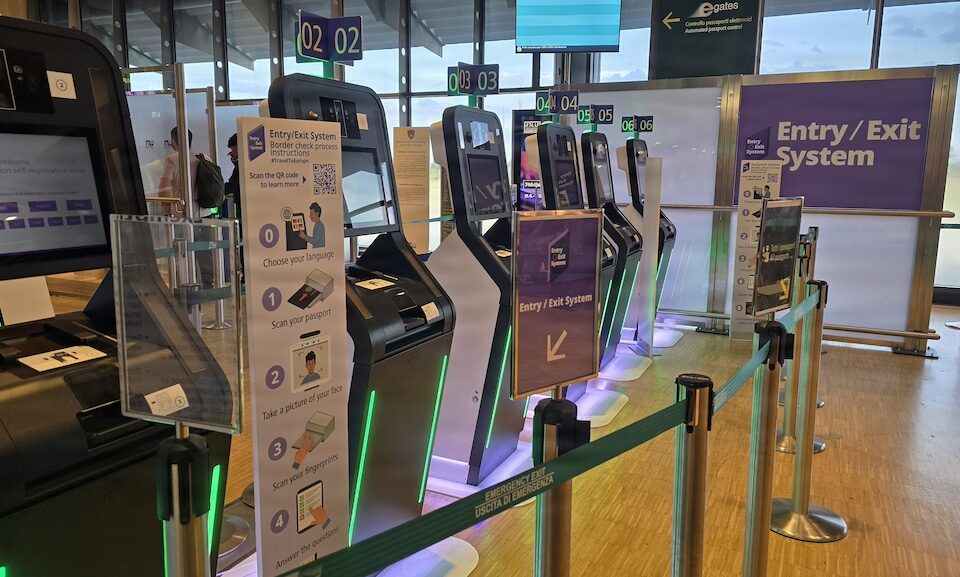
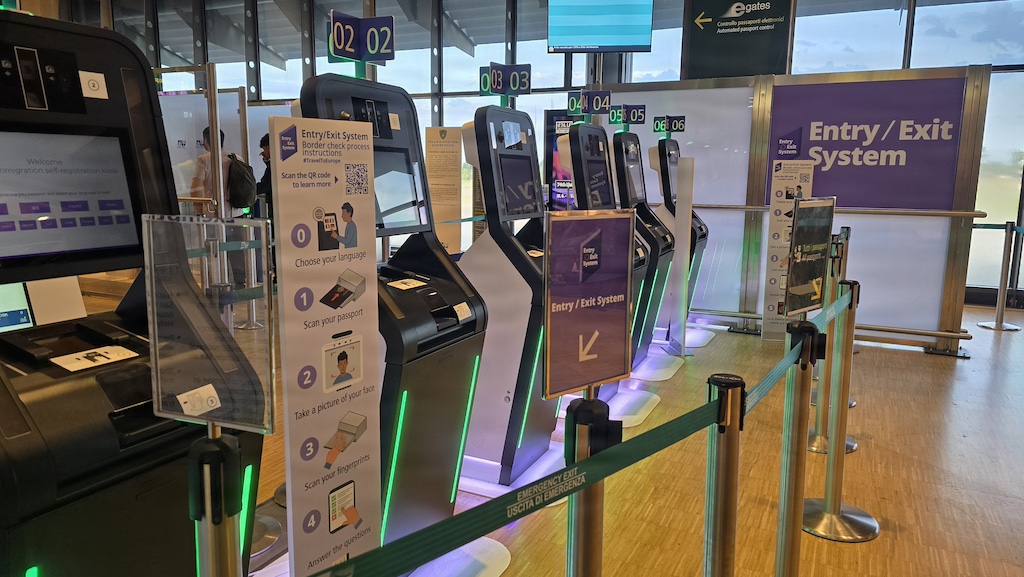
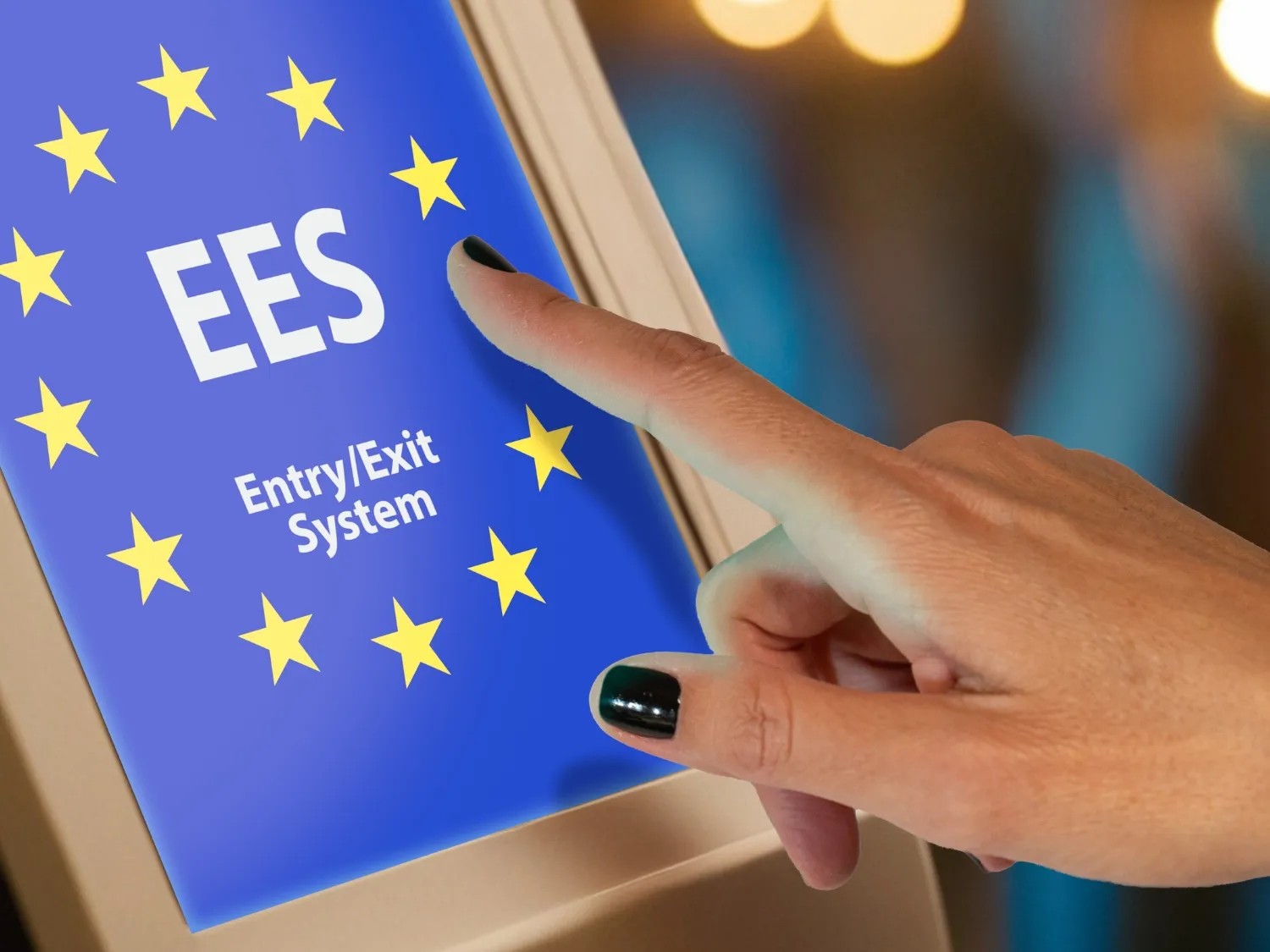
Aimed at enhancing border security and tracking, EES requires travellers from outside the EU to register biometric and passport details at the border on their first crossing. The data are stored digitally for three years or until the relevant passport expires.
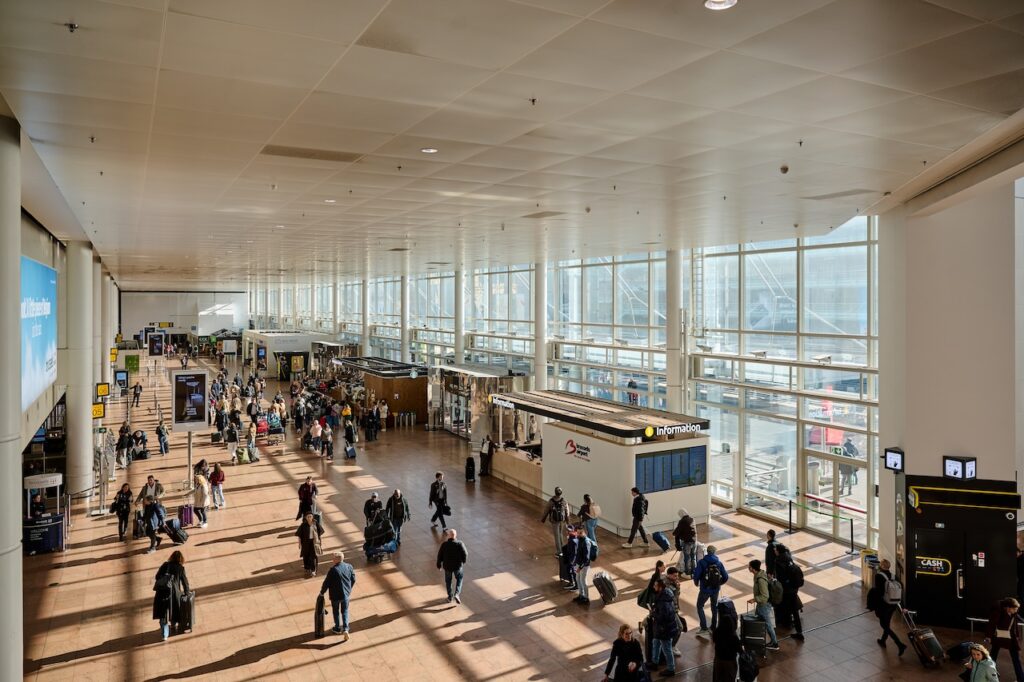
Despite a prolonged period of preparation and a phased introduction, the full implementation of EES in April 2026 saw chaos at many airports around the region, with travellers queuing for so long in some instances that they missed flights, and extra law enforcement having to be brought into hubs like Lisbon’s Humberto Delgado.
In many places, special kiosks installed to help travellers register themselves appeared to malfunction, leaving people confused about whether or not they were registered at all. Short staffing meant the registration could not be done manually. Some jurisdictions, like Greece, that benefit from mass tourism from beyond EU borders went as far as unilaterally rejecting EES to protect their own economic interests.
To relieve the problems, the Commission then announced it would allow individual hubs flexibility over EES enforcement, letting them waive the registration process at times of high traffic. That period of discretionary powers ended on 6 September 2026, and hubs are once again supposed to be fully applying the rules.
But travel industry trade bodies such as the Association of British Travel Agents (ABTA), the International Air Transport Association (IATA), Airports Council International (ACI), and firms such as Holiday Extras and Ryanair are urging the Commission to continue to permit border staff to go easy on the EES rules when necessary, in order to avert travel disruption and reputational harm to Europe as a destination.
Luke Petherbridge, Abta director, noted that EES is still not being properly implemented everywhere anyway, saying: “there is still some way to go until EES is fully and consistently operational across all participating countries.”
Thomas Reynaert, IATA’s head of external affairs, said: “These are real impacts being felt by passengers. It gives Europe a bad reputation. When systems fail, passengers lose the trust in the system and when people are late, airlines pay a high cost.”
Ryanair’s chief operating officer, Neal McMahon, said “the EU’s handling of EES has been a shambles from start to finish” and that the bloc had not heeded warnings about the system, resulting in passengers paying the price. He is asking the Commission to delay full implementation until April 2027.
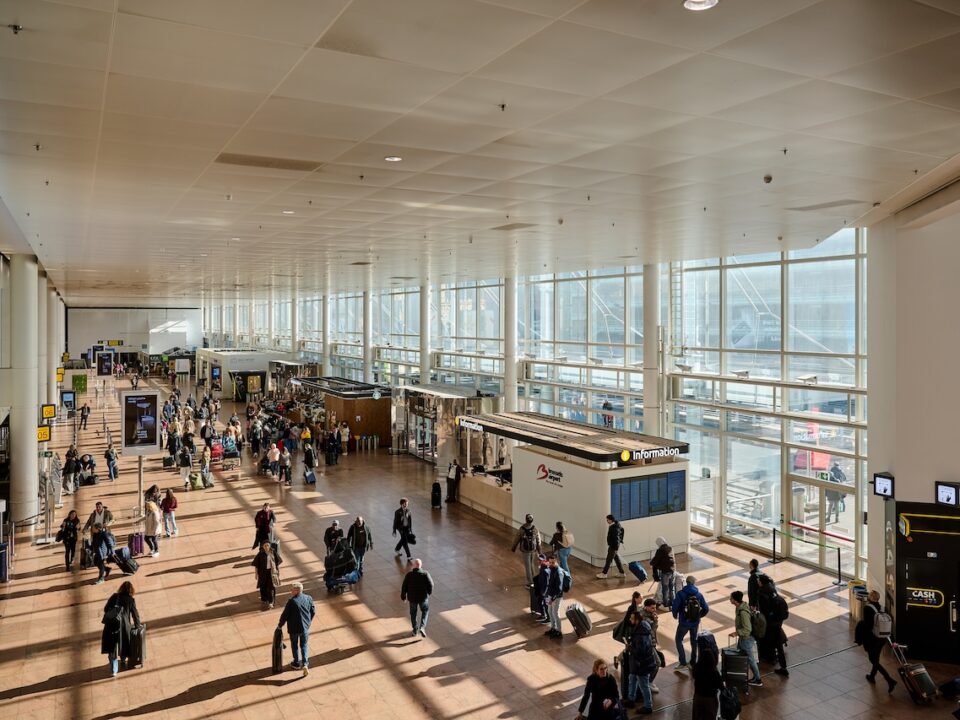
The immigration line for nonEU at @BrusselsAirport after 1.5hours. Why dont they allow other passport holders with Belgian residence cards (don't need to do the EES processing) to use the EU line when it's almost empty? Makes the situation a whole lot better. @IndEmbassyBru pic.twitter.com/C5jUAOdn6I
— ion (@ionfeeldcharge) September 1, 2026
And Matthew Pack, CEO of Holiday Extras, went as far as saying: “These border systems have failed … EES hasn’t worked.” He is pushing for the Commission to acknowledge the issues and think again. “The honest response is to … roll it back, and rebuild it properly,” he said.
Ironically, the malfunctioning kiosks in places such as the Eurostar terminal at London St Pancras and the Port of Dover’s Eurotunnel are reported to still not work properly, meaning some travellers coming to EU destinations will not be EES registered, whatever the Commission does next.