
As Angola takes centre stage as the Official Host Country of ITB Berlin 2026, the African nation is using the world’s leading tourism trade fair not only to showcase its landscapes and culture but also to signal a strategic shift in its economic future.
On the sidelines of the fair, I sat down with Márcio de Jesus Lopes Daniel, Minister of Tourism of Angola, to discuss why tourism is emerging as a key pillar of the country’s diversification strategy, the opportunities opening for investors, and how Angola intends to position itself on the global travel map.
The conversation comes two days after the opening of ITB Berlin’s 60th anniversary edition, where Angola’s presence has been impossible to miss across the Messe Berlin halls.
From oil to “green oil”
For decades, Angola’s economy has been heavily dependent on oil. The sector still represents around 28.9% of GDP and roughly 95% of export revenues. However, production is gradually declining and the government is actively pursuing diversification.
Tourism, the minister explained, is increasingly seen as part of the answer.
“Angola cannot base its economic future on oil alone. Tourism is our green oil, with enormous potential to create jobs, develop rural regions and sustainably utilise our natural and cultural heritage,” Daniel told Travel Tomorrow.
Recent figures underline the momentum behind this strategy. According to the International Monetary Fund, Angola recorded 4.4% real GDP growth in 2024, its strongest performance in five years, driven largely by non-oil sectors.
Within this broader transformation, tourism is gaining political and financial attention. The ministry itself was created just two years ago, reflecting the country’s growing commitment to developing the sector as a new engine of economic growth.

Untouched nature and the “Big Five plus gorillas”
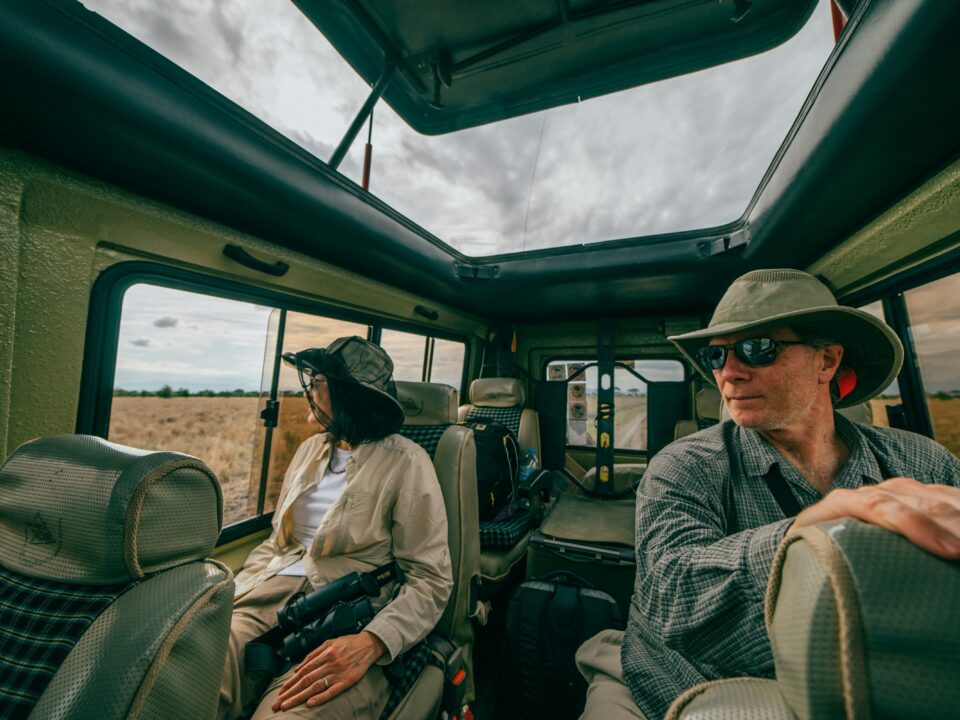
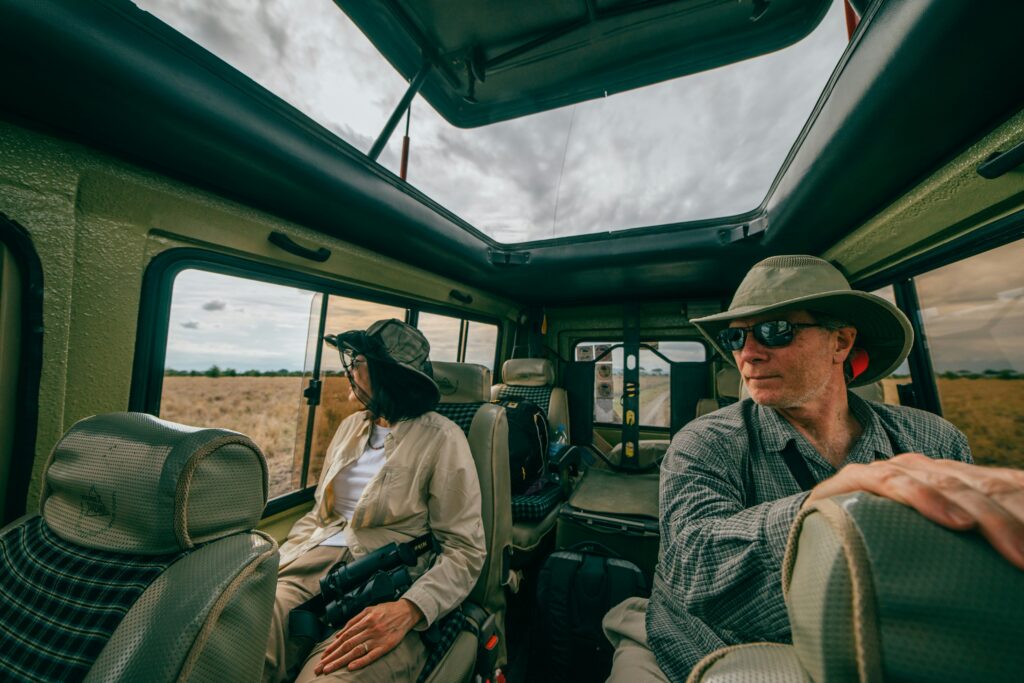
Angola’s tourism pitch rests heavily on its extraordinary natural potential, much of which remains largely unexplored by international travellers.
“The potential we have makes our country quite unique on the continent,” Daniel said. “Angola is a place where you can find the Big Five plus gorillas.”
The country shares vast ecosystems with neighbouring Namibia, Zambia, Zimbabwe and Botswana. These landscapes form part of the Kavango Zambezi Transfrontier Conservation Area, one of the largest conservation regions in the world and home to the planet’s largest elephant population.

“This is a region where wildlife moves freely across borders,” the minister explained. “Elephants do not need passports.”
To capitalise on this shared natural heritage, the countries have developed a joint tourism brand and introduced the KAZA visa, allowing travellers to move more easily between participating destinations.
While neighbouring countries have already built thriving safari industries, Angola’s side of the region remains largely undeveloped.
“That is why this moment is important,” Daniel said. “We have untouched nature and unexplored destinations. The opportunity now is to develop eco-resorts, lodges and sustainable tourism infrastructure.”
1,650 km of coastline and sun and beach tourism
Beyond wildlife tourism, Angola also sees enormous potential in sun and beach tourism along its 1,650 km Atlantic coastline. “The beaches are still virgin,” Daniel said. “We have looked closely at what other countries have done successfully.”
One example frequently cited by Angolan policymakers is Cape Verde, which increased tourist arrivals from around 300,000 to nearly 2 million within a few years through a combination of investor friendly policies and public private partnerships. Angola aims to replicate similar models.
The government has identified several coastal zones with strong tourism potential. The state is responsible for building the core infrastructure, including electricity, sanitation, telecommunications and access roads, while the hospitality industry will be developed by private investors.
“We prepare the master plans and the infrastructure, and then invite the private sector to build the hotels and resorts,” the minister explained. President João Lourenço has already approved around €500 million in infrastructure investment to prepare these coastal areas for tourism development.
Creating jobs for a young population
One of the strongest arguments for tourism development in Angola lies in its demographic reality.cThe country has around 37 million inhabitants, with 66% under the age of 25.
“For our young population, job creation is essential,” Daniel said. “Tourism is one of the industries that can respond quickly to this need.”
Training programmes are being developed to prepare young Angolans for careers in hospitality, guiding and tourism services. “It takes only six months to train someone to work in the industry,” he noted. “Tourism can offer hope and opportunities for many young men and women.”
Investment opportunities and global promotion
At ITB Berlin, Angola is also using the global stage to present concrete investment opportunities. During ITB Berlin the government is launching “Invest in Angola – Tourism Guidelines”, a document outlining bankable tourism projects designed to attract international capital. The initiative has been developed in cooperation with UN Tourism.
“There is currently a lack of hotel capacity in our country,” Daniel acknowledged. “That means there are opportunities for investors.”
Large international hotel groups such as Marriott International, IHG Hotels & Resorts, and Accor have already announced or implemented projects in Angola, while new developments are expected in the coming years.
Visa facilitation is also part of the strategy. Angola has simplified entry procedures for nearly 100 countries, making it significantly easier for international visitors to travel to the country.

Connectivity and international events
Infrastructure developments are reinforcing Angola’s ambitions as a tourism and business destination.
The Dr António Agostinho Neto International Airport in Luanda, with a capacity of up to 15 million passengers per year, is expected to strengthen the country’s international connectivity. Meanwhile, the expansion of the MICE sector is supported by a new convention centre and the creation of an Angola Convention Bureau.
Angola is also increasingly positioning itself on the global tourism events calendar.
The Global Tourism Forum will hold a special session in Luanda on 7 to 9 May 2026, while Angola will also serve as Host Country of the Global Tourism Forum in Brussels in October 2026.
“Together with the spotlight provided by ITB Berlin 2026, these events form part of a broader diplomatic and economic push to place Angola firmly on the international tourism map”, said Bulut Bağcı, President of World Tourism Forum Institute.
A destination rediscovering itself
Walking through the halls of Messe Berlin, Angola’s message is clear: tourism is no longer a secondary consideration but a strategic priority.
For a country celebrating 50 years of independence, the sector represents both an economic opportunity and a symbol of transformation. “We are a young country that has woken up to tourism,” Daniel said. “Now we are creating the conditions for investors and travellers to discover Angola.”
If the momentum generated at ITB Berlin continues, Angola’s ambition to turn tourism into its “green oil” may soon become one of Africa’s most compelling tourism development stories.