


The death of a tour guide at Rome’s Colosseum during extreme heat has prompted renewed calls from Italian guide associations and unions to adjust summer opening hours at one of the world’s most visited monuments. The tragedy has reignited debates around the safety of workers and tourists in Italy’s busiest cultural attractions during prolonged heatwaves.
A tragedy inside the amphitheatre
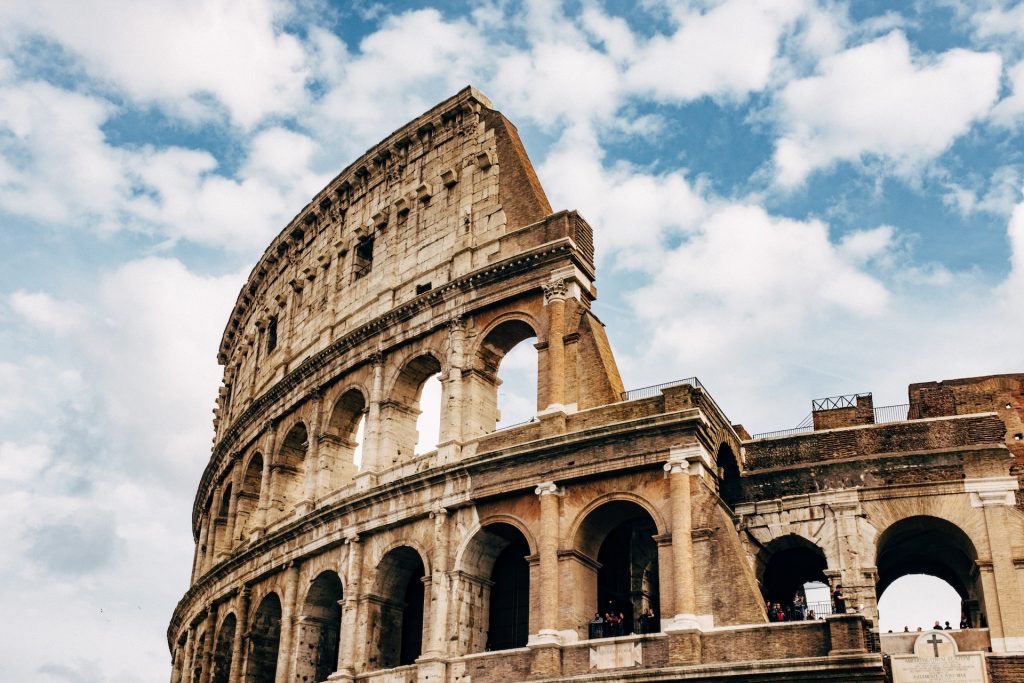
On Tuesday, 19 August, Giovanna Maria Giammarino collapsed while leading a group of 25 visitors inside the Colosseum. The 56-year-old guide fell on the first floor of the UNESCO World Heritage site as she was explaining one of the historical panels. Despite efforts from two tourists to revive her, she was pronounced dead before staff arrived with a defibrillator.
The death is believed to have been caused by a heart attack, likely exacerbated by the searing conditions. At the time, temperatures in Rome had reached 31°C.
Associations denounce lack of protection
Tour guide associations in Italy described the incident as a warning of the fragile and stressful working conditions endured by guides.
The National Association of Tourist Guides (ANGT) said the tragedy should be seen as “an unequivocal sign of the extremely fragile conditions in which the tour guides operate every day in Italy.” The association underlined that guiding requires stamina, cultural knowledge, and constant exposure to large crowds and hot weather, yet lacks adequate safety procedures.
ANGT also criticised the Ministry of Tourism’s policies, accusing it of “demolishing the profession” by allowing unqualified individuals to work as guides, driving down conditions and wages.
The Italian Certified Tour Guide Association (AGTA) echoed the sentiment, stating that Giammarino’s death underlined the “physically back-breaking” work of tour guides during crowded summer months.
Calls for earlier openings
In the aftermath, guide federations renewed demands for changes to the Colosseum’s summer opening hours. Currently, the monument is open daily from 8:30 am to 7:15 pm between March and September.
Federagit, Italy’s national tour guide federation, has long requested earlier opening hours. “It’s been months that we have asked for the Colosseum Park to open at 8:00 am,” the group said, arguing that earlier starts would allow both workers and tourists to visit during cooler parts of the day.
AGTA went further, calling for the Colosseum and adjacent Roman Forum to open from 7:00 am in the summer months, allowing guides to work in safer conditions.
Recent years have seen several proposals to extend operating hours for major Roman attractions, particularly the Colosseum and Forum, which lack shaded areas and cooling facilities.
Mourning and controversy
On Wednesday, 20 August, the Colosseum’s lights were switched off at 9:00 pm for two hours in a gesture of mourning. Authorities also placed a crown of flowers at the site in memory of Giammarino.
However, the decision to reopen the site and resume guided tours the following day was criticised by the Italian General Confederation of Labour (CGIL).
“We regret that once again, when a person dies at work, activities are not suspended,” CGIL said in a statement. “Guided tours are booked in advance, but sentiments of condolence should have prevailed.”
Heatwaves and overtourism
Giammarino’s colleagues described an increasingly stressful profession marked by relentless crowds, long queues, and punishing conditions during Italy’s hot summers. One fellow guide told La Repubblica: “It’s not possible to work in the conditions we are forced to every day. Overtourism is killing us.”
He added that many guides have been forced to give up working at sites such as the Colosseum and Vatican Museums due to the combined pressures of overcrowding and extreme heat.
The tragedy comes against a backdrop of one of the hottest summers on record in Europe. Italy’s health ministry issued red alert heat warnings for several major cities earlier this month. Wildfires have also swept parts of southern Europe in recent weeks, underscoring the escalating effects of climate change.
In June, the World Federation of Tourist Guide Associations (WFTGA) warned that “extreme heat is no longer an exception; it is a new reality that demands attention, adaptation, and solidarity within our profession.”
The Colosseum attracts nearly 15 million visitors per year, according to Statista, making it one of the most visited monuments in the world. Yet the lack of cooling infrastructure or shaded areas leaves both tourists and staff vulnerable to extreme weather.
The death of Giovanna Maria Giammarino has turned the spotlight on broader issues within Italy’s tourism industry: the tension between mass tourism, workers’ rights, and the changing climate.