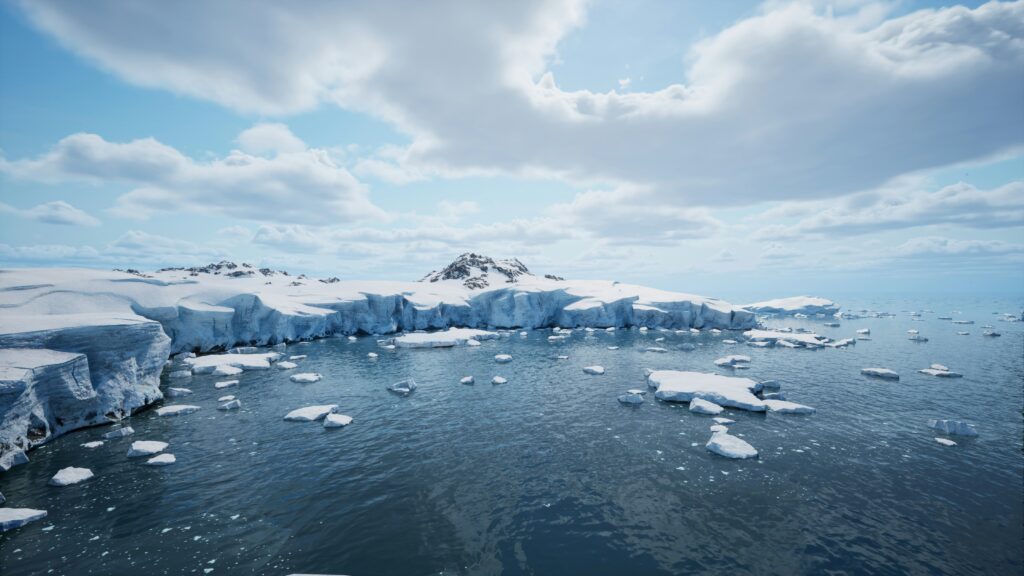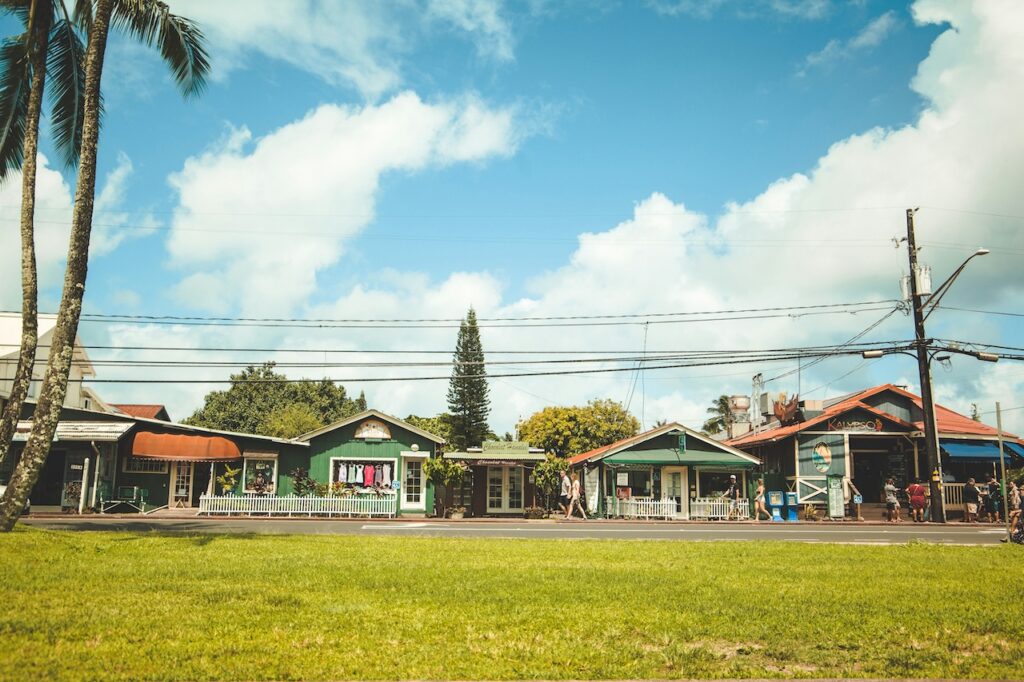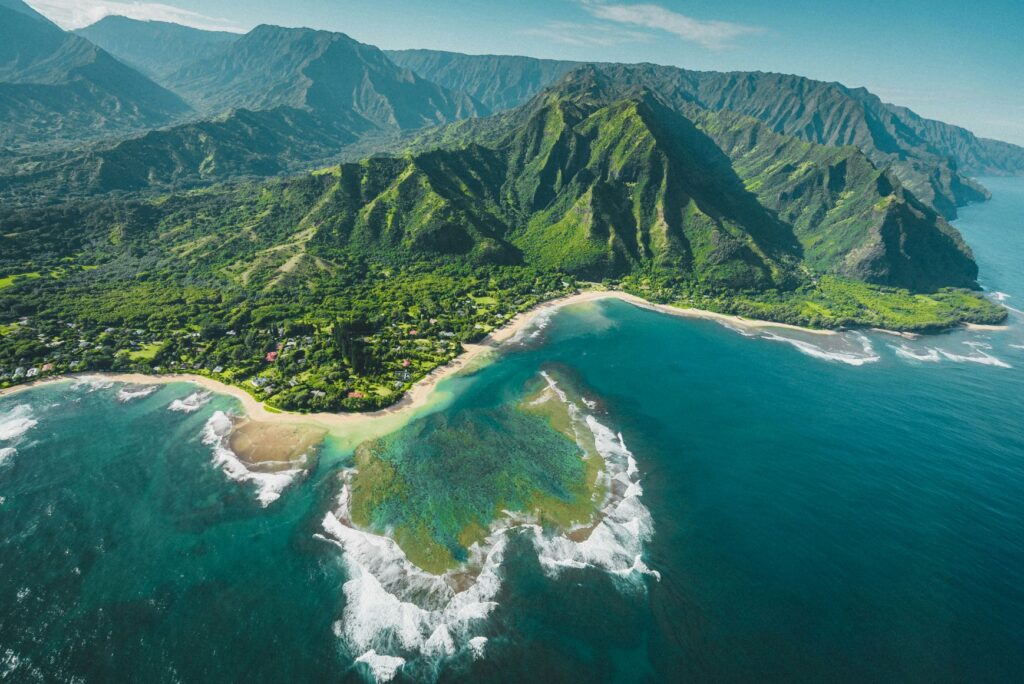


Samoan’s cultural legacy of leave weaving, central to its life and communities’ economy, is at risk of disappearing due to the rising sea levels, which are destroying the conditions necessary for pandanus plants to thrive.
The effects of climate change are already visible on this island, affecting the plants that grow along its coastline and in its low-lying areas. Saltwater erosion, droughts and accelerated coastal erosion are disrupting the ecological conditions necessary for pandanus to grow. These factors lead to reduced soil fertility and increased salinity, creating a survival-of-the-fittest scenario for the plants.
“Climate change is profoundly impacting coastal communities in Samoa”, says conservationist Alofa Paul. “Rising sea levels and increased storm intensity are making conditions increasingly unsuitable for pandanus cultivation”.
As I witnessed in Samoa, high & rising sea levels are already causing severe damage to people in coastal communities in the Pacific region & other small island developing countries.
— António Guterres (@antonioguterres) August 23, 2024
The world can no longer wait to take bold & resolute international #ClimateAction. pic.twitter.com/2NcArgP6tM
Used by generations of women to weave traditional mats for ceremonies, pandanus plays a crucial role in village life. Women fear that if this trend continues, they will have no legacy to pass on to the next generation.
More than a shift in flora, the loss of pandanus would also mean the loss of a way of life, as the leaves are prepared for weaving in the community. Women spend their days together harvesting, dethroning, sun-drying, splitting, and coiling the leaves for storage.
“Across the Pacific, women have always held rich cultural knowledge, from weaving fine mats to working with traditional textiles,” says Alison Davidian, UN Women Representative in the Pacific.
In October 2024, the Commonwealth adopted the Apia Ocean Declaration, calling for a global effort to protect 30% of the world’s oceans by 2030, as well as tackling pollution and overexploitation.
Key aspects of the declaration included a commitment from all members to protect at least 30% of the world’s oceans by 2030, reduce plastic pollution and implement climate adaptation measures, especially for vulnerable communities.
Samoa’s Prime Minister, Fiamē Naomi Mata’afa, welcomed the declaration, stating that “the ocean makes up 96% of our region, and we are among the first to most immediately suffer the impacts of climate change.”
Christopher Cocker echoed her words, identifying climate change as the biggest threat to Pacific communities, while UN Secretary-General António Guterres accused developed nations of being responsible for the damage and rising sea levels, noting that “the small [Pacific] islands don’t contribute to climate change, but everything that happens because of climate change is multiplied here.”
🌊 The Apia #Commonwealth Ocean Declaration is a bold commitment by 56 member countries to protect our oceans from climate impacts, pollution and overexploitation.
— The Commonwealth (@commonwealthsec) November 18, 2024
📽️ Hear what this historic agreement means for Commonwealth small island leaders
🔗 Read more:… pic.twitter.com/8dGMLZNnlR
Since the declaration, the island has established new marine protected areas (MPAs), covering roughly 30% of the country’s ocean, as stipulated in the declaration. All fishing activities are prohibited in these MPAs, creating sanctuary areas for marine species and ecosystems in an effort to comply with the declaration. Samoa has also committed to sustainably manage 100% of its waters, in a plan that will integrate traditional management systems and protect deep trenches, underwater seamounts and coral reefs, home to a variety of endangered species.
Yet here we are, almost a year later, and the situation appears unchanged, despite the measures Samoa has taken to protect its environment. Even the women of the community have begun noticing the gradual changes. “We can see a slow shift,” says Tutorial Musa, a weaver with the Neiafu women’s committee.
The hope now lies in continued commitment to marine conservation and climate adaptation. If these efforts are sustained, Musa and other weavers may still be able to pass on their cultural heritage and expertise to future generations.