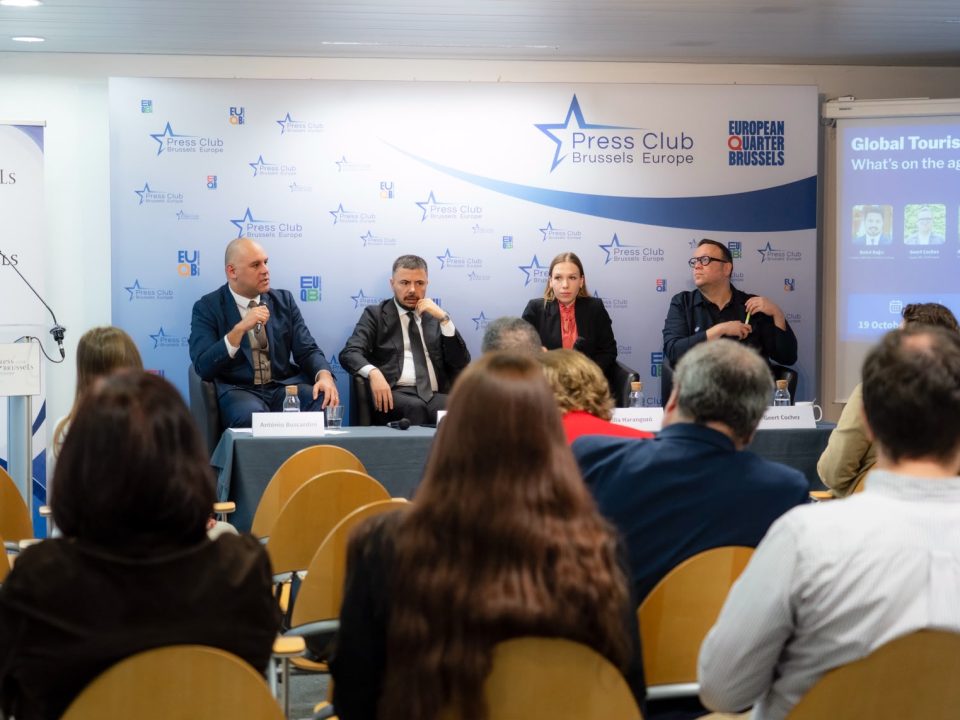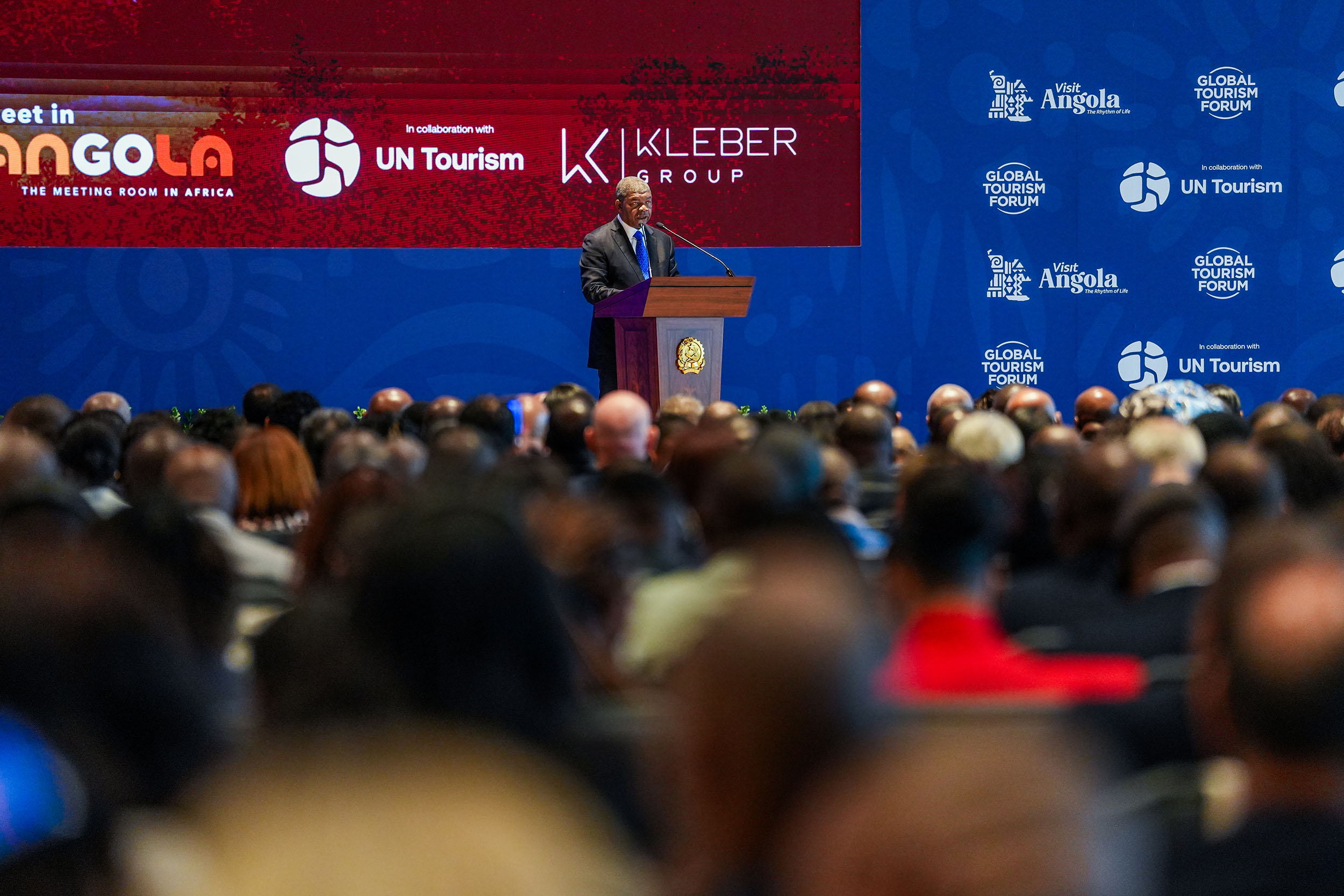


Tourism has the potential to become one of the main drivers of Angola’s economic transformation, President João Lourenço said as he officially opened the Global Tourism Forum (GTF) Angola Investment Summit in Luanda, presenting the sector as a cornerstone of the country’s strategy to diversify beyond oil.
Addressing heads of state, ministers, diplomats, international organisations, investors and tourism leaders, he said the summit had brought together the partnerships, resources and determination needed to transform Angolan and African tourism into “a truly global force”.
Describing tourism as one of the world’s most dynamic economic sectors, the President said it has the capacity to create jobs, attract investment, stimulate entrepreneurship and support local development. For countries seeking diversified and inclusive growth, he argued, tourism is no longer an optional industry but a strategic priority.
Diversifying beyond oil
According to Lourenço, Angola’s focus on tourism reflects years of structural reforms aimed at reducing dependence on the petroleum sector.
He said the government has worked to create a more competitive business environment while encouraging investment in industries capable of generating long-term economic growth and employment.
Highlighting the country’s tourism assets, he pointed to Angola’s more than 1,600 kilometres of Atlantic coastline, national parks, rivers, lakes, waterfalls, rich biodiversity and historical and cultural heritage. Destinations such as Luengue-Luiana National Park, the Okavango-Zambezi region, Cameia National Park, Kalandula Falls and Mbanza Kongo, a UNESCO World Heritage Site, were presented as examples of the country’s untapped tourism potential.
He argued that Angola’s unique combination of nature, culture, adventure, heritage and business tourism gives it a competitive advantage among African destinations.
Infrastructure to support tourism growth
Infrastructure development featured prominently in the President’s address.
He highlighted projects including the Dr António Agostinho Neto International Airport, the Lobito Corridor and the planned Luanda Convention Palace, alongside continued investment in roads, ports, railways, airports, energy, telecommunications and healthcare infrastructure.
These projects, he said, are laying the foundations needed to support tourism development across the country while improving connectivity and creating new opportunities for investment.
He also stressed that ongoing reforms to increase transparency and strengthen the competitiveness of the national economy are essential to creating a favourable business environment and unlocking Angola’s tourism potential.
Opportunities for international investors
Addressing investors directly, Lourenço reaffirmed that Angola is open to foreign investment, innovation, knowledge transfer and partnerships that create mutual benefits.
He identified opportunities throughout the tourism value chain, including hotels and resorts, ecotourism, business tourism, leisure infrastructure, transport services, digital tourism and professional training.
“Angola will continue to be a committed and reliable partner for long-term investment,” he said, adding that private investors should be viewed as strategic partners in the country’s economic transformation rather than simply financiers.
The President also noted that Angola’s recognition as the Global Tourism Forum’s Best Tourism Investment Destination in 2025 has reinforced the country’s commitment to developing the sector with ambition and discipline.
A broader vision for African tourism
Looking beyond Angola, Lourenço said Africa has all the ingredients needed to become one of the world’s leading tourism regions, thanks to its natural landscapes, cultural diversity, hospitality and increasingly dynamic economies.
He noted that the continent recorded tourism growth in 2025 above the global average, while acknowledging that challenges remain, particularly in air connectivity, regional mobility and the harmonisation of migration policies.
He also emphasised the importance of investing in skills and professional training, arguing that combining technical expertise with Africa’s renowned hospitality could become a significant competitive advantage.
Regional cooperation, he added, will also be essential, saying that no country can fully realise its tourism potential in isolation. Greater collaboration and cross-border tourism circuits, he argued, will help make Africa more attractive and competitive on the global stage.
Tourism as a force for peace
The address concluded with a broader message on the role of tourism in promoting peace and international cooperation.
Referring to current geopolitical tensions and global conflicts, the President said stability remains the essential foundation for investment and sustainable development. Without peace, he argued, there can be no lasting economic growth.
He described tourism as more than an economic activity, calling it a force capable of bringing people and cultures together, strengthening mutual understanding and fostering cooperation between nations.
Expressing confidence that the Global Tourism Forum Angola Investment Summit would generate new partnerships, mobilise investment and help position both Angola and Africa among the world’s leading tourism destinations, Lourenço officially declared the 2026 summit open.