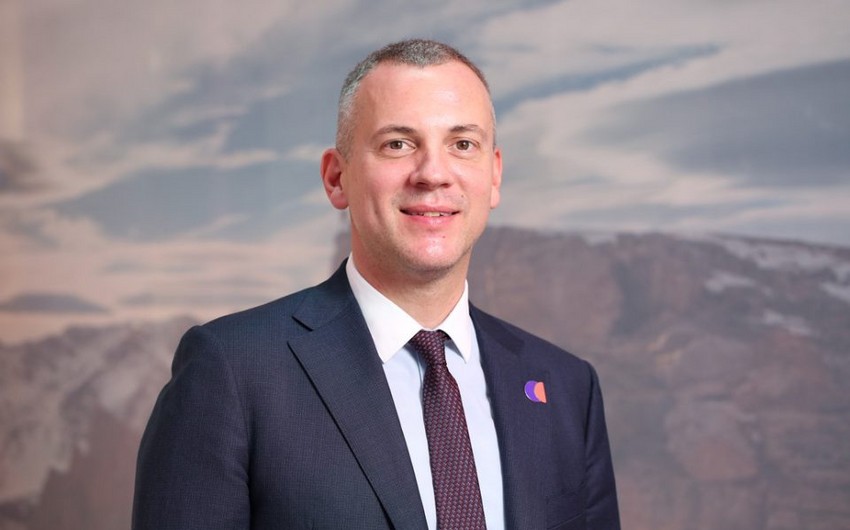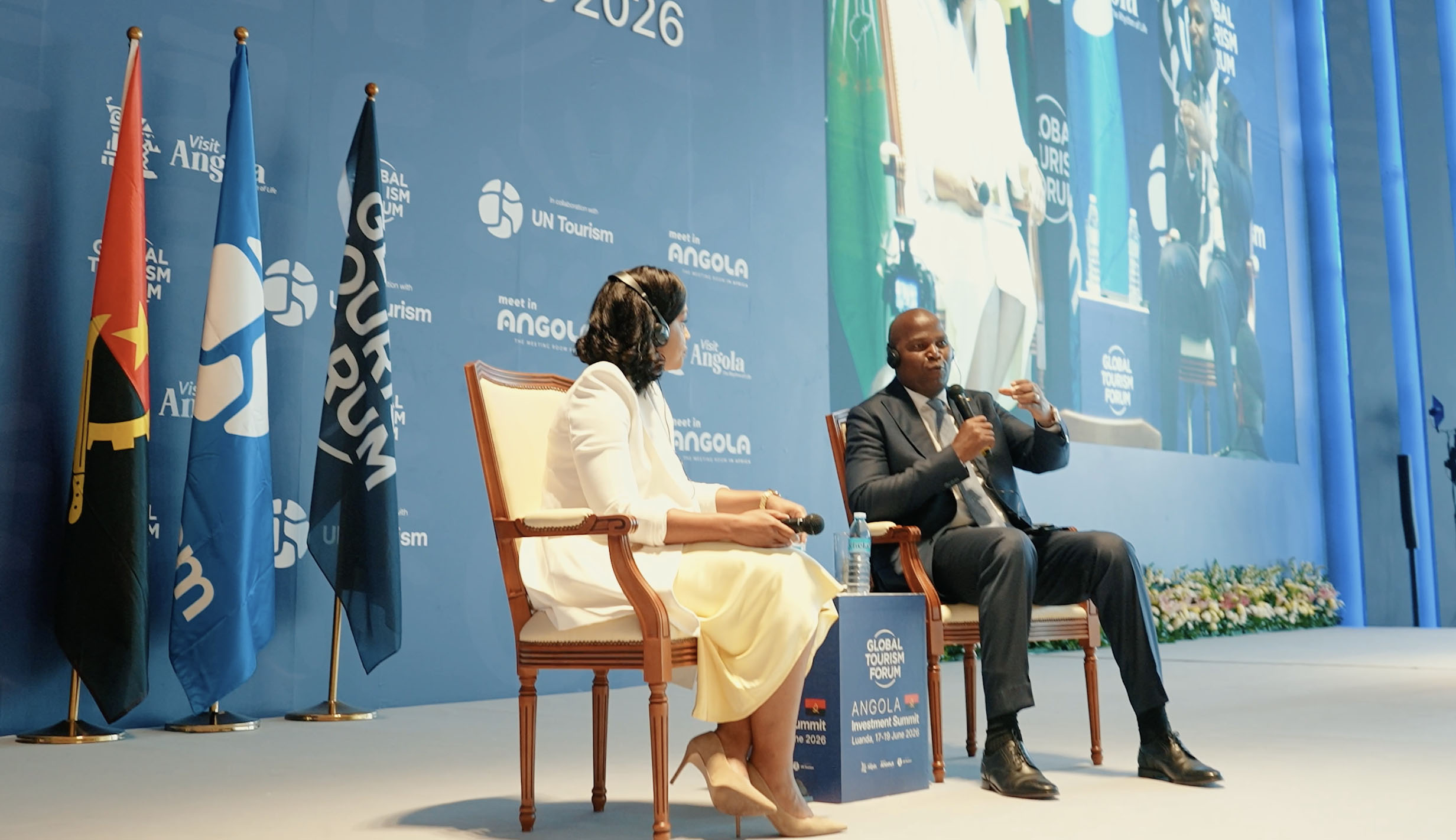


Tourism should become one of the main pillars of Mozambique’s long-term economic strategy, President Daniel Chapo said during the Global Tourism Forum Angola Investment Summit in Luanda, arguing that the country must diversify beyond its growing liquefied natural gas (LNG) industry.
Speaking in a Presidential Dialogue moderated by CNN Africa correspondent Victoria Rubadiri, Chapo said Mozambique is entering a transformative economic period as major LNG projects move forward with companies including Eni, TotalEnergies and ExxonMobil. However, he stressed that the country’s future should not depend solely on natural gas.
“We do not want to concentrate only on LNG,” he said. “We want to diversify our economy.”
Tourism at the heart of diversification
The President described tourism as one of the sectors best placed to support that ambition alongside agriculture, infrastructure, transport, logistics, energy, digital transformation and industry.
He highlighted Mozambique’s nearly 2,700 kilometres of coastline, islands, marine ecosystems, wildlife reserves and conservation areas as major tourism assets capable of attracting visitors from around the world.
According to Chapo, the country’s combination of natural beauty, cultural heritage and hospitality gives it the foundations to become one of Africa’s leading tourism destinations.
But he argued that tourism growth requires more than attractive landscapes. Roads, electricity, water supply, development corridors and carefully planned tourism zones are all essential to creating destinations that can attract long-term private investment.
“The government’s responsibility is to prepare the foundations,” he said, explaining that investors need organised tourism zones, reliable infrastructure and a stable business environment before committing to projects.
Connectivity remains a major challenge
Air connectivity emerged as one of the central themes of the discussion.
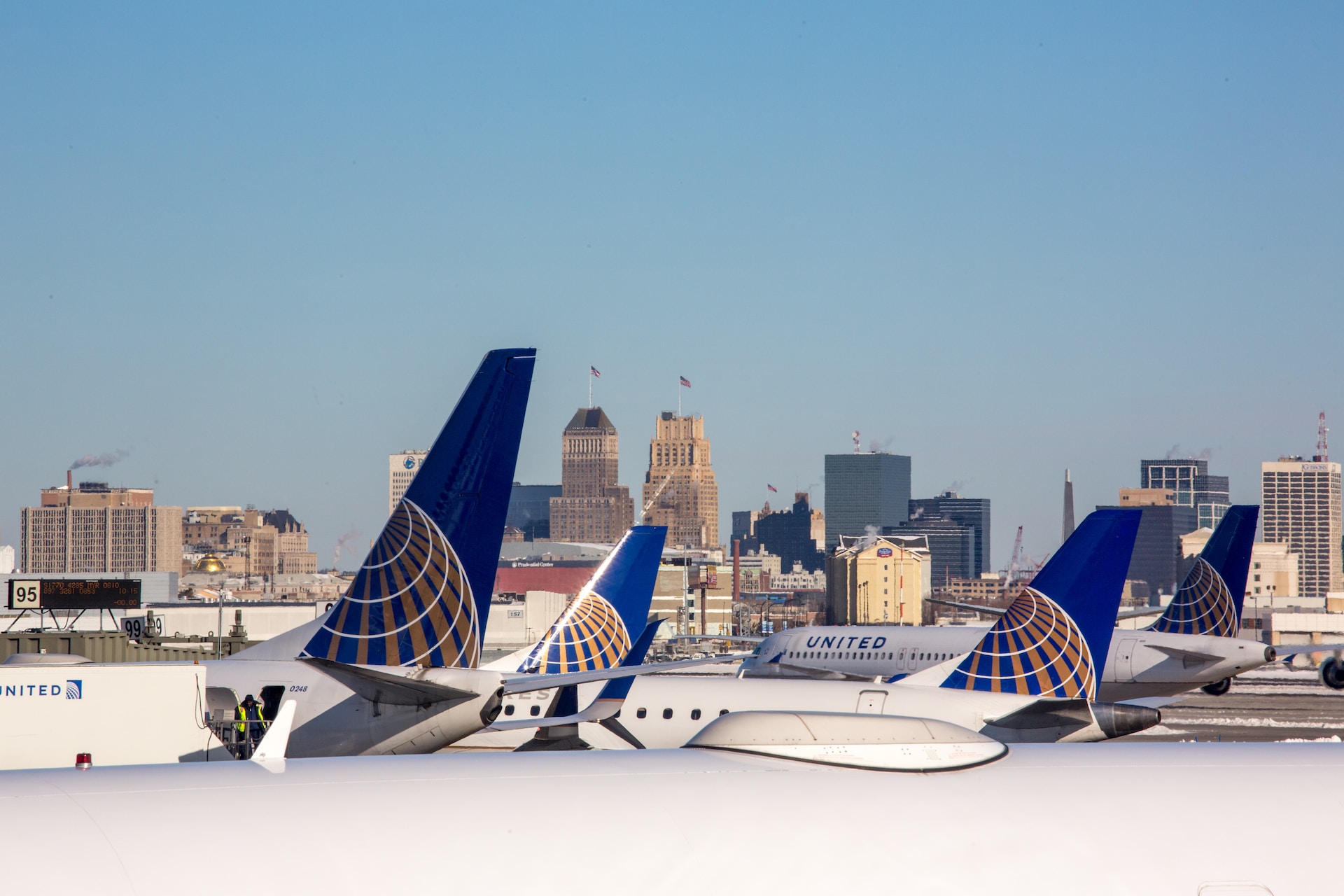
Chapo argued that Africa cannot fully unlock its tourism potential while travellers are often forced to transit through Europe or the Middle East to reach neighbouring African countries.
He welcomed the direct Luanda-Maputo air service, which currently operates five times a week, and revealed that Angola and Mozambique are discussing increasing the route to daily flights.
Improving connectivity, he said, would not only benefit tourism but also strengthen trade, investment and regional integration.
The President also backed efforts by the African Development Bank to reinforce the continent’s aviation sector and called for greater investment in African airlines to improve links between destinations.
Tourism creates opportunities across society
Unlike extractive industries, which often rely on highly specialised workers once construction is complete, tourism generates employment across a broad spectrum of society, Chapo argued.
He said the sector creates opportunities for hotel managers, guides, drivers, fishermen, artisans, farmers, small business owners and local communities.
“Tourism is the industry that creates jobs for all social classes,” he said.
The President also emphasised the importance of digitalisation and visa facilitation, arguing that simpler entry procedures, modern public services and investment-friendly regulations would make Mozambique more attractive to international investors. He also suggested the possibility of introducing golden visa schemes for major investors.
Security and regional cooperation
Asked about investor concerns linked to insecurity in Cabo Delgado province, Chapo acknowledged the challenges but stressed they are confined to specific districts in the north of the country.
He noted that Maputo is around 3,000 kilometres away and that tourism continues to operate normally in many other regions of Mozambique. The government, he said, remains committed to improving security while ensuring localised issues do not undermine confidence in the country as a whole.
Peace and stability, he added, remain fundamental to attracting sustainable investment and developing a strong tourism economy.
The dialogue also focused on regional integration. Chapo argued that African countries should cooperate more closely rather than compete in isolation, calling for stronger implementation of the African Continental Free Trade Area and easier movement of people across the continent.
Looking further ahead, he suggested Africa could one day move towards a system similar to Europe’s Schengen Area, making travel easier for both African citizens and international visitors.
Strengthening ties with Angola
Chapo described Angola and Mozambique as “brothers”, united by a shared language, history and independence.
He said both governments are discussing expanding the Luanda-Maputo air route from five to seven weekly flights, while also exploring new cooperation between development banks, sovereign wealth funds and public institutions.
Beyond tourism, he identified opportunities for closer collaboration in agriculture, infrastructure, digitalisation, artificial intelligence, transport corridors and energy.
Concluding the dialogue, Chapo said the objective is not simply economic growth but improving living standards for African citizens through stronger investment, regional cooperation and sustainable development.
His remarks reinforced one of the summit’s central themes: that Africa’s tourism future will depend on leadership, connectivity, investment and collaboration, with tourism serving not as a secondary industry but as a strategic driver of economic diversification.