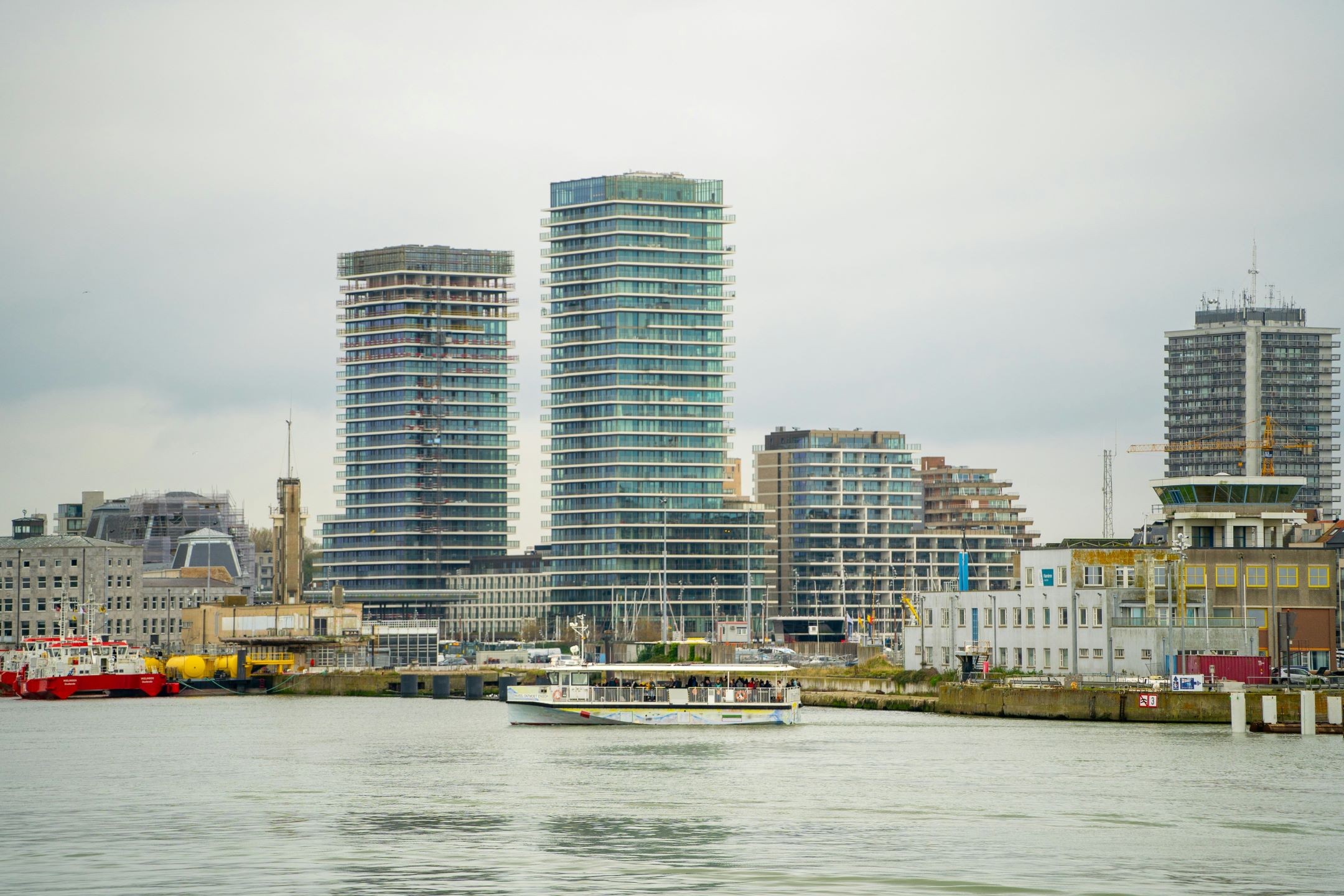


The coastal city of Ostend has announced plans to limit Airbnb rentals in certain neighbourhoods, joining a growing list of Belgian cities imposing stricter rules on short-term holiday lets.
In a lengthy interview with Het Nieuwsblad, Mayor John Crombez explained the reasoning behind the new measures. While recognising the importance of tourism for the city, he warned that the local infrastructure comes under significant pressure during peak periods.
“Ostend’s population grows from 72,000 to 202,000 during these periods”, he told the Flemish daily. “The hospital, the police, the fire service – all of our infrastructure has to cope with that. It’s also a human resources challenge.”
Currently, Ostend has around 1,800 hotel rooms. Crombez stressed that “the same rules should apply to all accommodation providers”.
Defining where holiday rentals are allowed
He confirmed that a bylaw setting out exactly which neighbourhoods will allow holiday rentals and which will ban them will be in place by the end of the year. “If ten people arrive every Friday for a weekend of partying, that’s going to be unpleasant for the neighbours, especially families with young children. Over time, it becomes unliveable.”
The city will also ban key boxes, which allow guests to collect keys without the owner needing to be present. Crombez argued that this undermines direct contact between hosts and guests. He noted that, in some apartment blocks, only three out of eight units are occupied by registered residents, which gives the entire block “a bad atmosphere”.
“Direct contact with citizens is essential. As mayor, you have to be aware of what’s going on and of people’s concerns. People want a say”, he said.
Koksijde Mayor Sander Loones, who was also present during the interview, backed Crombez’s position. “Every coastal municipality struggles to balance Airbnb rentals with permanent housing”, he said, adding that key boxes are “a Brussels thing”.
Part of a wider crackdown
Ostend is following Antwerp, Ghent, Bruges and Brussels in clamping down on short-term rentals. The Flemish government already requires all holiday lets to be registered, and obliges platforms like Airbnb to share data in order to identify unregistered properties. Bruges has intensified inspections and warned of legal action, issuing retroactive tourist tax bills running into millions of euros.
Belgium is not alone. In Spain, for example, the authorities have removed 65,000 Airbnb listings that breached regulations.
@devan.s8400 #ostend #hot #summer #😍 #warm #belgium #ireland #tourist ♬ Baianá – Barbatuques
Airbnb responds
The company has urged EU cities to ‘tackle the overwhelming impact of hotels on overtourism’ instead. The company claims that hotels are responsible for 80% of visitors to major cities, whereas most Airbnb guests stay outside city centres. “Europe needs more homes, not hotels, yet cities are building more hotels while the construction of housing is near a decade low,” said Theo Yedinsky, Airbnb’s Vice President of Public Policy.