

A new study published in BMJ Evidence-Based Medicine suggests that alcohol consumption increases the risk of dementia, regardless of the amount consumed, genetic predisposition or type of alcohol. These results challenge the long-held belief that moderate drinking is somehow better and offers more protection than not drinking or drinking heavily. Does this mean travellers eager to discover new wine routes, ancient breweries, and other alcohol-centred experiences will have to give them up?
What the study found
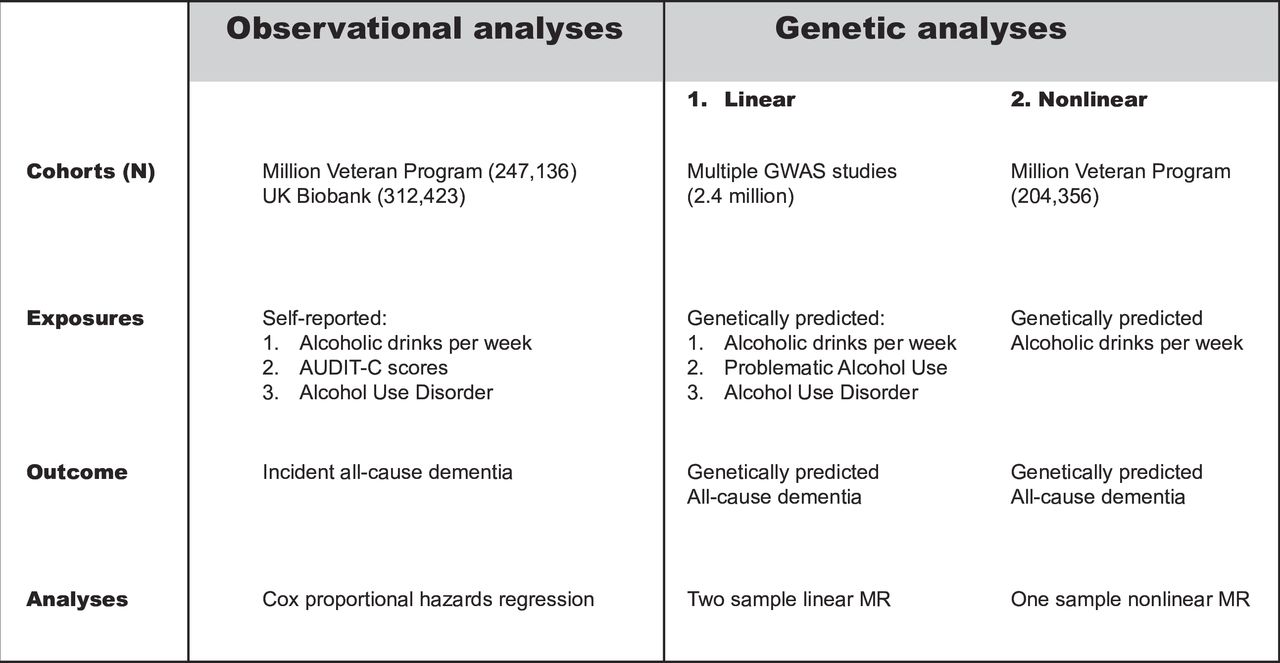
The research examined data from over half a million participants in the US and the UK and confirmed the familiar U-shaped curve in observational data: light drinkers appeared to be healthier than heavy drinkers or abstainers. However, once genetic analysis was applied, this apparent benefit disappeared. Dementia risk rose steadily with higher alcohol exposure.
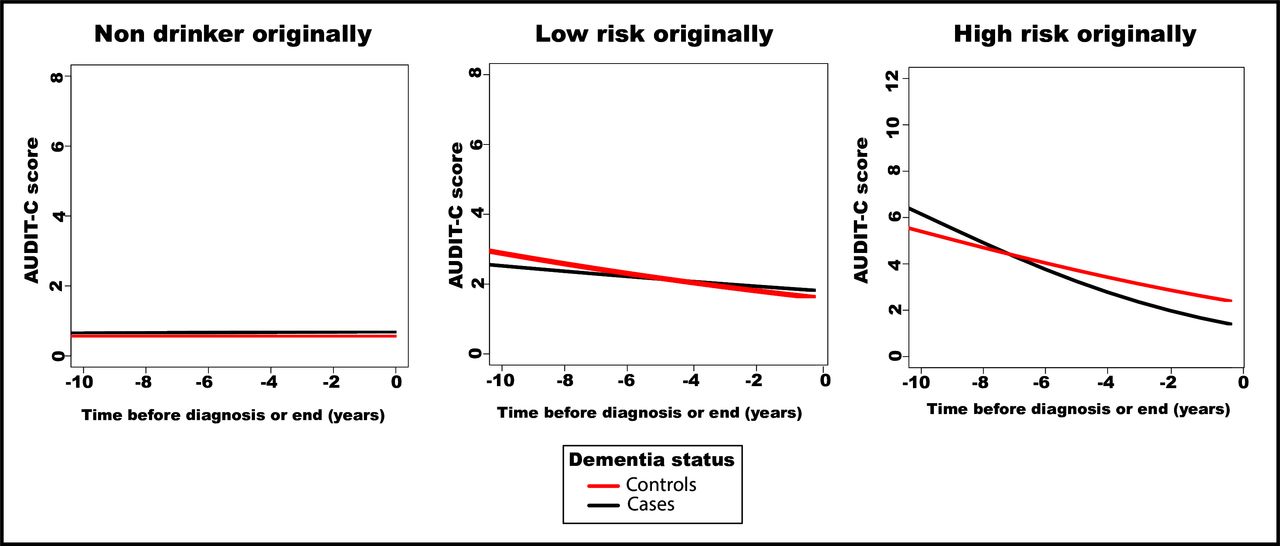
The study found that a genetic predisposition equivalent to one to three (or five to sixteen) drinks per week was associated with a 15% higher risk of dementia. Crucially, even light drinking offered no protection. The authors explain that the U-shape may be a statistical illusion: people with dementia often reduce their alcohol consumption years before diagnosis. When grouped together with lifelong abstainers, they make non-drinkers appear to be at greater risk.
What the study could not prove
Despite being one of the largest studies of its kind, its conclusions are not definitive. Professor Sir David Spiegelhalter, a statistician at the University of Cambridge, warned that the relationship is with genetically predicted alcohol intake rather than actual consumption, and that the genetic models rely on unverifiable assumptions. Professor Tara Spires-Jones, a neuroscientist at the University of Edinburgh, agreed that the study was robust, but noted the limitations of self-reporting and imperfect genetic markers.
The authors themselves acknowledge the constraints: alcohol consumption was self-reported, dementia diagnoses were taken from electronic health records, which may have missed or misclassified cases, and Mendelian randomisation is based on assumptions which cannot be fully proven. The results were strongest for participants of European ancestry, with lower statistical power for African and Latin American groups. At very low drinking levels, estimates were less precise, so while no protective effect was found, it cannot be completely ruled out that there is a tiny one.
Despite these caveats, the message is clear, according to the study’s authors: “Our study findings support a detrimental effect of all types of alcohol consumption on dementia risk, with no evidence supporting the previously suggested protective effect of moderate drinking… reducing alcohol consumption may be an important strategy for dementia prevention”.
What does this mean for travellers?
These conclusions may raise uncomfortable questions for travellers. If alcohol carries risks even when consumed in moderation, should wine tours and brewery trails be reconsidered as the cornerstone of a holiday? The answer does not have to be abstinence, but rather awareness, and fortunately, there are plenty of alternatives.
Over the past decade, alcohol-free travel has flourished, with options ranging from wellness retreats and yoga holidays to destinations that promote tea culture, mineral springs, and artisanal soft drinks.
The study highlights a simple fact: while drinking alcohol on holiday is commonplace, it could have another hidden cost.