

Europe might not be the centre of high-tech, but it is certainly becoming a hub for cross-border high-speed trains, with two new services set to connect Italy, Germany, and Austria.
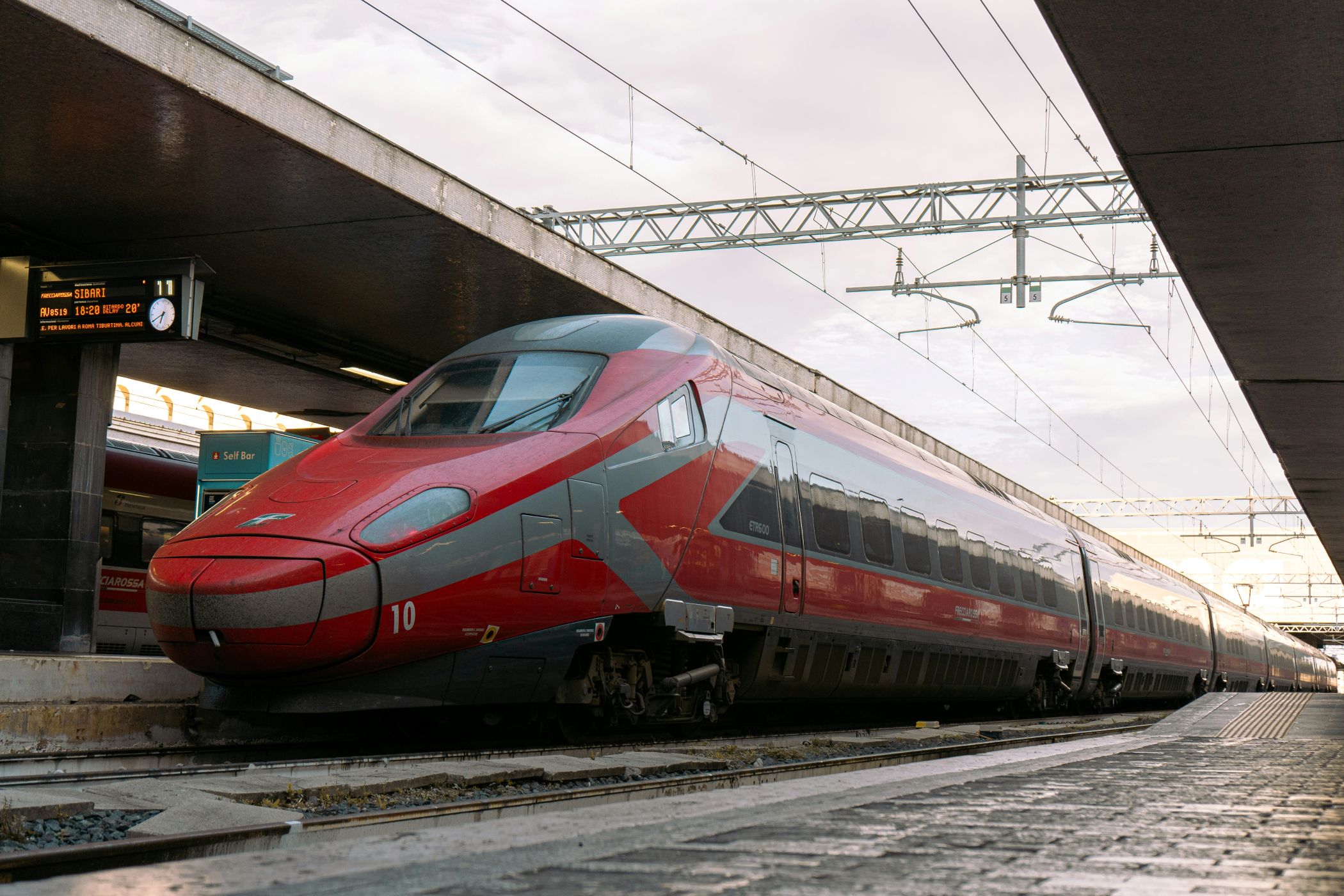
Italian train operator Trenitalia has begun testing its Frecciarossa high-speed trains in Germany and Austria, paving the way for direct services between Milan and Munich and Rome and Munich. Once in service, these routes will offer travellers a ground-level view of the majestic Alpine landscapes and surrounding countryside.
Both routes are expected to begin commercial operations in summer 2027, initially offering four connections per day. They will be operated in partnership with Deutsche Bahn (DB) in Germany and Austrian Federal Railways (ÖBB).
The Milan–Munich journey will take approximately six and a half hours and will stop at Brescia, Verona, Rovereto, Trento, Bolzano and Innsbruck. The Rome-Munich service will take approximately two hours longer. It will follow the same route from Verona, with stops in Florence and Bologna beforehand.
Journey times should be significantly reduced once the Brenner Base Tunnel opens, cutting around an hour off travel time between Italy and Germany. The tunnel is currently scheduled to open in 2032, though some reports suggest this may be delayed until 2034.
Trenitalia and DB have developed training programmes for German and Austrian drivers and are sharing technical expertise in order to adapt the trains to the different power supply and signalling systems.
There are plans to further extend train services between Italy and Germany from December 2028, with ten connections between the countries and extended routes to Naples and Berlin. Trenitalia’s parent company, the Italian state railway company Ferrovie dello Stato (FS Group), has also announced plans to “meet demand for other European destinations, such as Frankfurt and Krakow”.
Meanwhile, Innsbruck is set to become a central hub for the new network, with both routes passing through the Austrian city after crossing the Brenner Pass from Italy. Crucially, the Frecciarossa 1000 was designed with European interoperability in mind, meaning it can run not only in Italy but also on the rail networks of France, Germany, Spain, Switzerland, the Netherlands and Belgium. This will allow passengers to travel directly from Italy to Germany without changing trains.
The FS Group has wider ambitions and seems intent on conquering the continent by train, one route at a time. It already operates services in France and Spain, and has ordered 19 new high-speed trains in an effort to launch a London–Paris service via the Channel Tunnel by 2029, in the hope of breaking Eurostar’s current high-speed monopoly.
“The start of test runs in Germany and Austria is a step towards delivering a project that confirms our ambition to make the train the benchmark mode of transport for mobility across Europe,” said FS chief executive Gianpiero Strisciuglio.
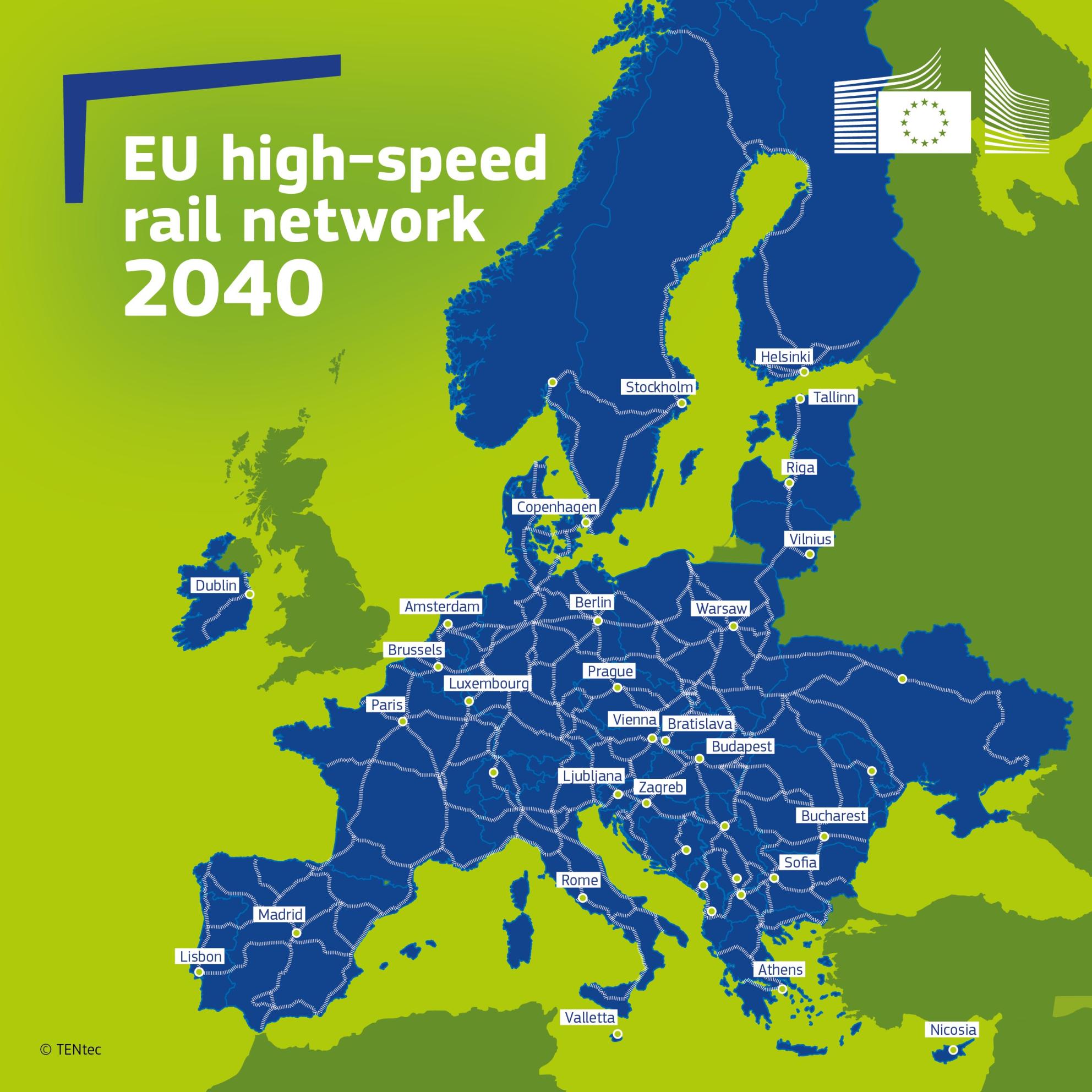
He described the wider vision as a high-speed “European Metro”, bringing regions, people and economies closer together.
Italy’s Minister for Infrastructure and Transport, Matteo Salvini, also welcomed the progress, describing it as “a further step confirming the growth of the FS Group and its ability to win new markets abroad, while providing better services and infrastructure in Italy. More jobs, more connections, more Italy in Europe.”