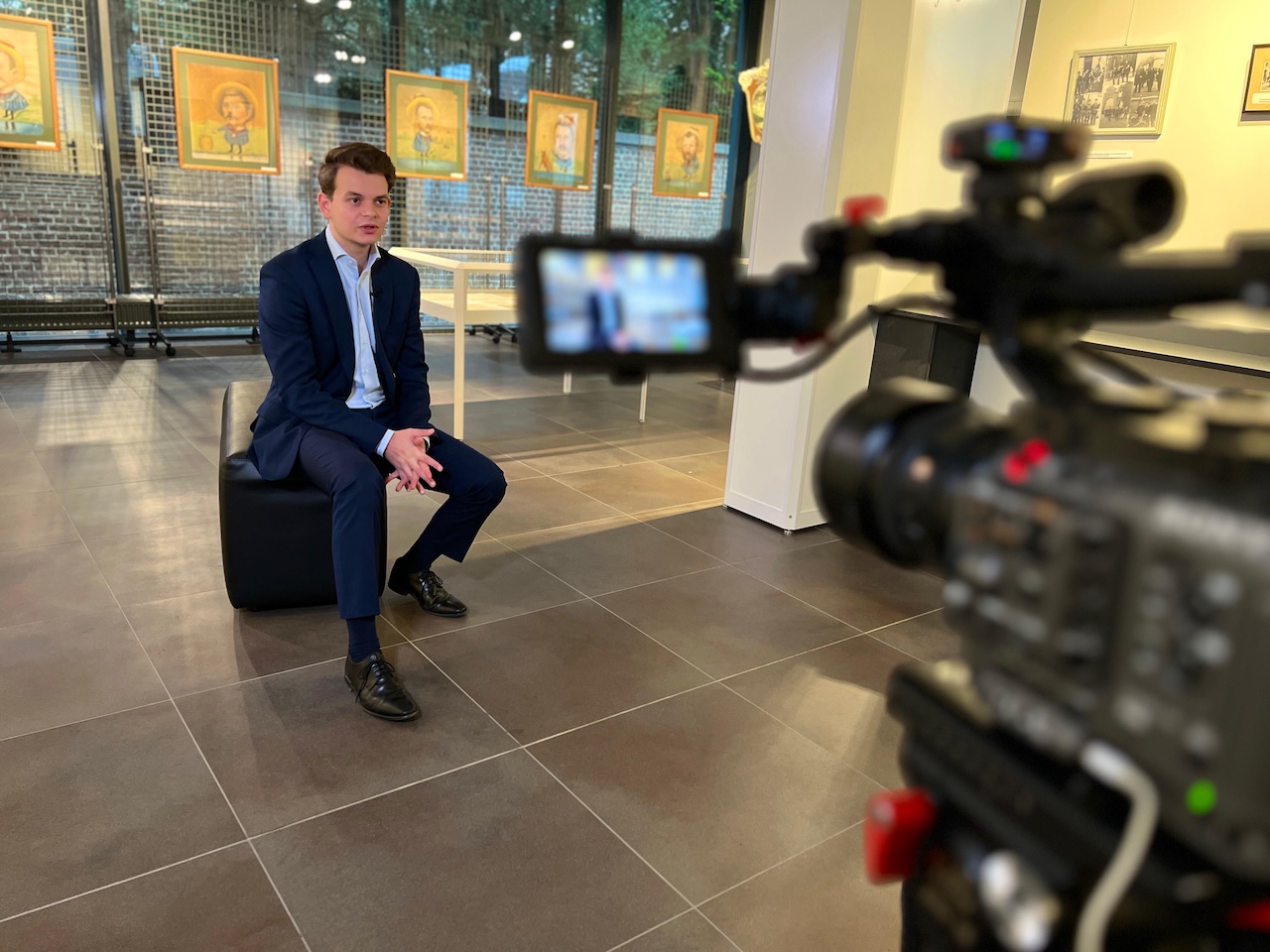



Few places in Belgium combine heritage, nature and proximity to Brussels quite like Tervuren. Located at the eastern edge of the capital, the town has long been a favourite home for Belgian families and the international community. I met with Tervuren’s newly elected mayor, Thomas Geyns, to understand why this municipality continues to thrive.
A crossroads of cultures and centuries
Tervuren is often associated with the legacy of Leopold II and the World Exhibition of 1897, yet its past stretches much further back. As Mayor Geyns explains, the town was already a strategic and prosperous location in the thirteenth century, chosen by the Dukes of Brabant who developed a vast castle complex on the edge of the forest.
“People link us to the nineteenth century, but we were well known many centuries before that,” he says. “Tervuren was already a place of importance long before Belgium existed.”
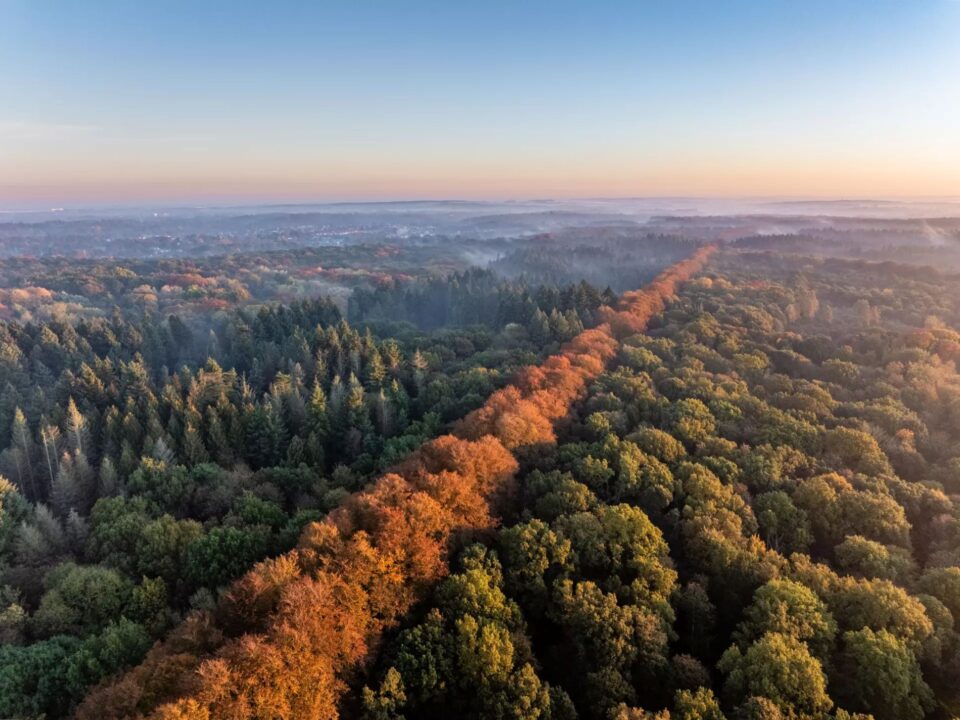
Today, this layered history remains visible in the Royal Park and the Africa Museum, two landmarks that continue to shape the identity of this green municipality.

Why people choose to live in Tervuren
For Mayor Geyns, the town’s appeal is straightforward. “We have all the advantages of being next to Brussels, but not the disadvantages of a big city. We keep a village feeling, we are surrounded by green areas, and we have excellent public transport links. In twenty minutes you are in the centre of the capital of Europe. In fifteen minutes you reach the airport. Leuven is equally close.”
This balance between nature and connectivity, combined with international schools and a strong civic life, has made Tervuren an ideal base for Belgian families and expatriates alike. What stands out today, Geyns notes, is how much more integrated international residents have become.
“People are more multilingual than twenty years ago,” he says. “The British, the Germans and many others make more effort to learn Dutch. We encourage it in a positive way. It is not mandatory, but it helps people become part of our story.”
Unlike municipalities where language tensions marked previous decades, Tervuren focuses on a welcoming, inclusive local identity. The administrative language is Dutch, but the atmosphere is open and community-driven.

Tourism numbers on the rise
Recent figures from UN Tourism and Visit Flanders show a strong increase in visitors across the region, particularly in art cities and along the coast. Tervuren is part of this wider trend. Local reporting indicates that overnight stays in the municipality have tripled compared with the pandemic years.
This mirrors developments seen in Leuven and other peri-urban green destinations, where domestic visitors and travellers from neighbouring countries are rediscovering parks, forests and smaller cultural sites.
Many visitors spend the day walking through Tervuren’s grand avenues, relaxing in the park, dining in local restaurants or exploring the museum. The impact is visible.
“These visitors bring life to our shops, our cafes and our park,” the mayor says. “It is good for local entrepreneurs.”
A new chapter with the future Martin’s Hotel
Accommodation in Tervuren has been limited until now, with only one hotel operating in the town centre. That is set to change with the forthcoming Martin’s Hotel, part of the redevelopment of the historic Panquin site.
The horseshoe-shaped complex, created under Charles of Lorraine and used for decades by the Belgian Defence, is being transformed into a hotel and residential project. For Geyns, it responds to a real need.
“Tourism numbers have never been so high,” he explains. “There is clearly demand for a place to stay at the entrance of our park. The project will also help restore and preserve a part of our heritage.”
Although the opening has faced delays, the municipality remains hopeful that the hotel will welcome guests soon.
Landmarks every visitor should discover
Asked to identify essential sites for a first visit, the mayor highlights several:
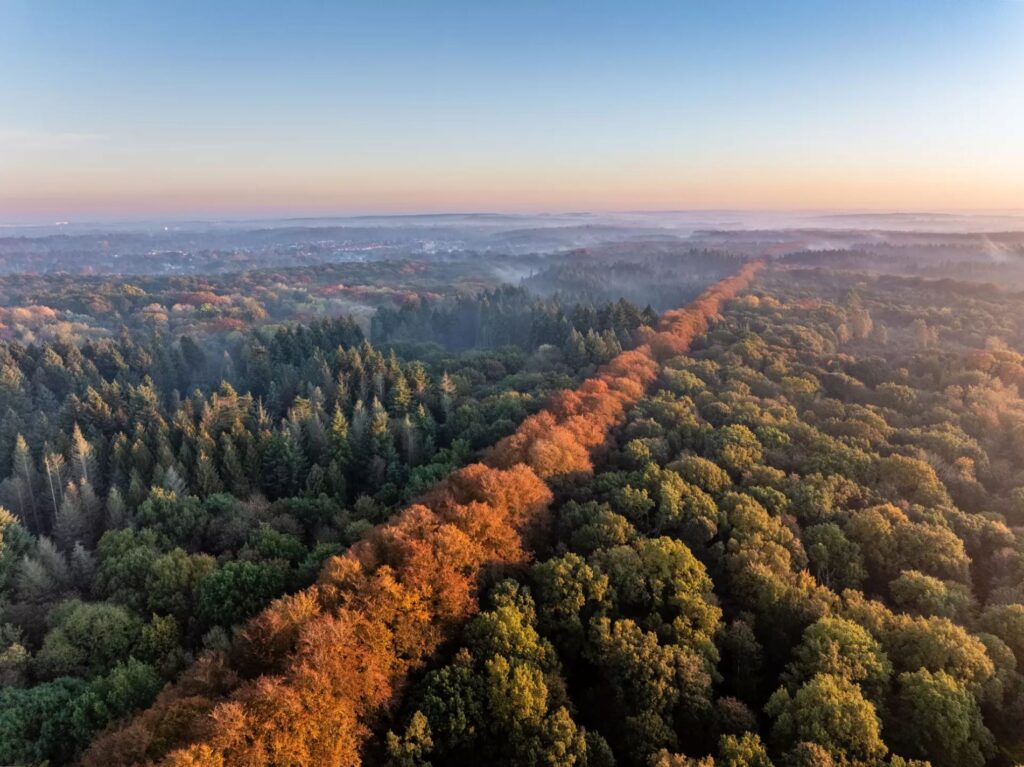
• A full walk through the Royal Park, with its ponds, forest paths and sweeping perspectives
• The Africa Museum, housed in a remarkable architectural landmark
• The site of the former Tervuren Castle, once a key political centre in medieval Europe
• The Saint Hubert chapel, which will undergo restoration in the coming years
As Geyns puts it: “Everything in Tervuren tells a story. If you take the time to walk, you feel the history, the nature and the tranquillity that make this place special.”
A community shaped by tradition
One of Tervuren’s most cherished traditions is the celebration of Saint Hubert, the patron saint of hunters. Although this year’s edition has already passed, the event remains one of the most distinctive features of local life.
Every October, an outdoor mass, a procession through the town and the blessing of animals bring together more than a thousand participants. Cats, dogs, horses and even goldfish are presented to the priest for a symbolic blessing.
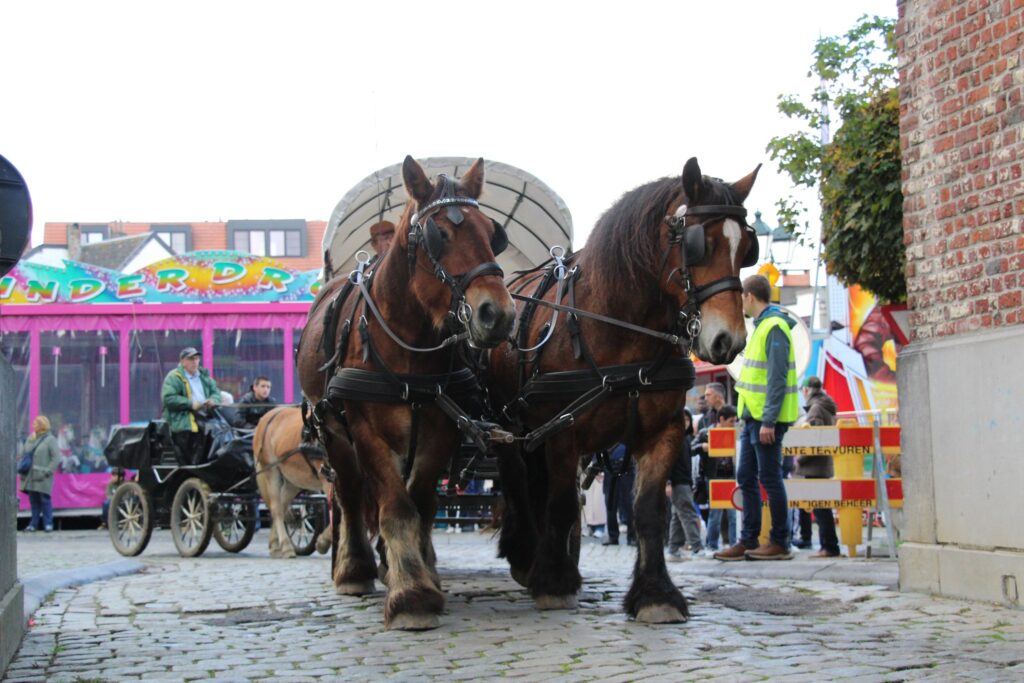

As the year 2027 approaches, the celebrations gain additional significance, marking the 1300th anniversary of Saint Hubert’s death. The planned restoration of the Saint Hubert chapel will give the event an even stronger cultural presence.
For travellers seeking history, green landscapes and an international atmosphere within reach of the capital, Tervuren remains one of the most compelling destinations.